Stop seeing India through the lens of someone else’s trade war

Things get a bit biased in the west, and right now China is seen by politicians as a negative – even if most western economies rely on China trade.

The mythology from politicians is that their country – including Australia – should look at “diversifying” trade targets away from China.

Thinking of India as an “alternative” to China is a bit disrespectful of India and setting up for failure. Seeing India for what it is – a really good opportunity but on a different scale to China – will lead to better commercial and political decisions.

Let’s not look at India through the lens of someone else’s “trade wars”.

tradewars

When it comes to the world, China is the big game. India and Indonesia are also in the game and worth playing with, but each needs to be respected for what it is.

Take the 2017 Foreign Policy White Paper which reported that growth in demand through to 2030 from China would be greater than that from the US, Japan, India and Indonesia combined. China’s rapidly expanding middle-class market is the big market.

ChinaIndia2

Even the Peter Varghese report on India’s potential showed that by 2035, Australia might export $45 billion of products and services to India. That would be great news! But compare that figure of $45 billion (and it’s 15 years off) with last year when Australia exported more than $160 billion to China.

When we remove the blinkers of politics, we can treat each country with respect and see the actual opportunity they represent.

We can open our eyes to a better view of trade – seeing it as part of the overall relationship of friendship with trading partners.

ModiMorrisonSmile2

Australia should join with India to become the “food bowls” of the Indian Ocean

India and Australia can become the major “food bowls” of the Indian Ocean region, if the two countries can find a way to collaborate in horticulture  The region includes some of the world’s fastest growing middle classes, including much of Africa, the Middle East, India and its neighbours and Southeast Asia.

This is one of the conclusions of our study of “India-Australia Horticulture Collaboration” which was part funded by the Australia India Council, DFAT.

The Indian horticulture sector already faces pressure for change, presenting Australia with a once in a lifetime opportunity to build a collaborative commercial relationship with India.
horti2

Pressures for change in India are market driven as the middle class grows, Government driven with a push to bigger farms, mining industry driven as it seeks to play a positive community development role and horticulture industry driven, as farmers want innovation as a pathway to better incomes.

Indian market becoming health conscious

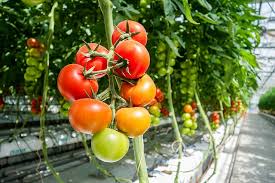
Market driven changes result from a growing middle class anxious about the content, health outcomes and quality of the vegetables and fruits they buy. Plus, a whole range of vegetables labelled as “exotic” in India now face rapidly rising demand – broccoli, cherry tomatoes, capsicums, parsley, celery, cabbages, zucchini and asparagus. Berries are becoming sought after, especially blueberries and strawberries.

Government driven changes are creating one of the biggest historical shifts in rural India – the new Farmer Product Organisations (FPO).  The Government has set an aim for 10,000 of these collaborative ventures. An FPO is a grouping of at least 10 and up to 500 farmers into a collective including marketing. The Government will fund these FPO’s and possibly farm subsidies will be distributed via them.

horti4

The FPO structure is currently in need of support services to enable them to secure business acumen, market linkages, better insurance terms, quality assessment infrastructure, precision agriculture solutions for better crop management, access to finance, IoT based applications and more.

At the same time India’s agricultural research centres (Central, State and private) are very keen to be part of the solution and become a focus for knowledge and training in horticulture techniques new to India. Their demand for displays and services around hydroponics and protected cropping is very high.

Miner driven changes result from delays and obstruction from farmers, and awareness that by supporting horticulture innovation around mines, they can contribute to increasing the income of farmers and provide new income for rural women – thereby making a contribution to the livelihoods of the communities they operate in.

Indian farmer driven changes follow complaints of declining incomes and knowing they have an inability to meet the needs of the new middle class, at home and in the Indian Ocean region. Women in rural communities are seeking new ways to add income to households.

citruspic

While farmers are traditionally conservative, there is growing awareness in India of the need for “new skills and innovations for new products”.

India will want collaboration, not high pressure selling

Facing these demands for change, India is not inclined to simply import and adopt western approaches – rather, it seeks to create Indian style innovations with global partners who can adapt to this demand. The Israel and Netherlands governments have established free standing centres of horticulture excellence, with low levels of interest and participation. Australia can move into this space if it is prepared to adapt to what India wants.
horti6

What will be needed for these changes? Skills training and train the trainer programs, IT systems, adapted hydroponics and adapted protected cropping systems and products, post-harvest storage and to market systems and a combination of displays and training at Government and private research centres (not free standing).

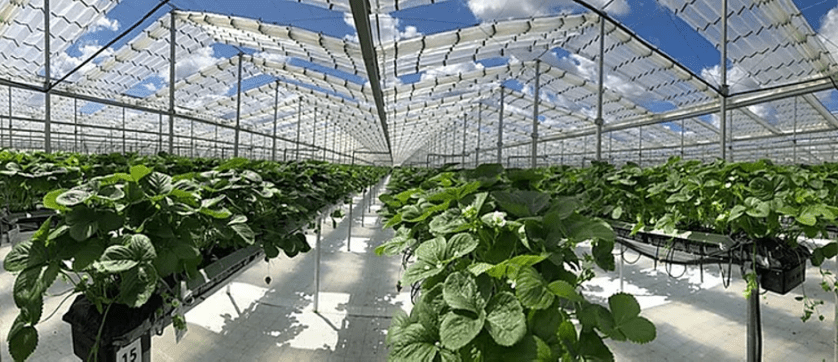
Protected Cropping (PC) opportunities are huge but need to be tailored for India – including shelter by artificial structures and materials, enabling modified growing conditions and protection from pests and adverse weather. In the mix here are greenhouses and glasshouses, shade houses, screen houses and crop top structures.

Hydroponics and Controlled Environment Horticulture (CEH)

horti7

The most modern and sophisticated form of protected cropping have been developed in Australia and we should be able to export this knowledge – might be relevant to corporate farms in India with some key adaptions, creating “modified hydroponics”. CEH combines high technology greenhouses with hydroponic (soil-less) growing systems. CEH makes it possible to consistently and reliably control or manipulate the growing environment and effectively manage nutrition, pests and diseases in crops.

Hydroponics in Australia and the west is crop production using a soilless growing medium with nutrients supplied in a liquid form. The choice of substrate can be varied to suit the crop and climatic requirements. Hydroponic growing also includes growing in a flowing nutrient stream without utilising a solid medium. This is known as nutrient film technique. For India, some adaptation of drip irrigation, soil and non-soil bases leads to “modified hydroponics” and would meet demand over there.

Agricultural research centres in India play a major role in supporting farmer innovation and skills upgrades. There is an opportunity for an Australian Centre of Protected Cropping and Hydroponics to be embedded in at least one of the Indian Government agricultural research centres, another with the State of Tamil Nadu and in a private research centre. These could be supported by a “virtual centre” with farmers accessing it via mobile phones.

This would be a major step forward in building a genuine India-Australia collaboration in horticulture, enhancing the capacity of both countries to become the food bowls of the Indian Ocean.


The “Developing India-Australia Collaboration in Horticulture” research project by Genesis Horticulture Solutions was part funded by the Australia India Council, Australian Government


 

Indian PM Modi announces A$400 billion stimulus policy

Indian prime Minister Narendra Modi has announced a A$400 billion stimulus package, one of the biggest in the world’s responses to Covid19.

The package is approximately 10% of India’s GDP.

The stimulus package is called “Atmanirbhar Bharat Abhiyaan” and aims to make India self reliant and to revive the stalled economy.

Details are still coming out but part of the program will be major reforms across areas such as land, labour and liquidity laws to underpin a boost to the “Make in India” campaign.

Other areas will likely include supply chain for agriculture, reforms to national taxation, simplification of some laws, build capable human resources and strengthening the financial system.

It is typical Modi – ambitious, unexpected in magnitude and investors are already reacting with enthusiasm.

The emerging symbol of change in India – watch out for Tonique

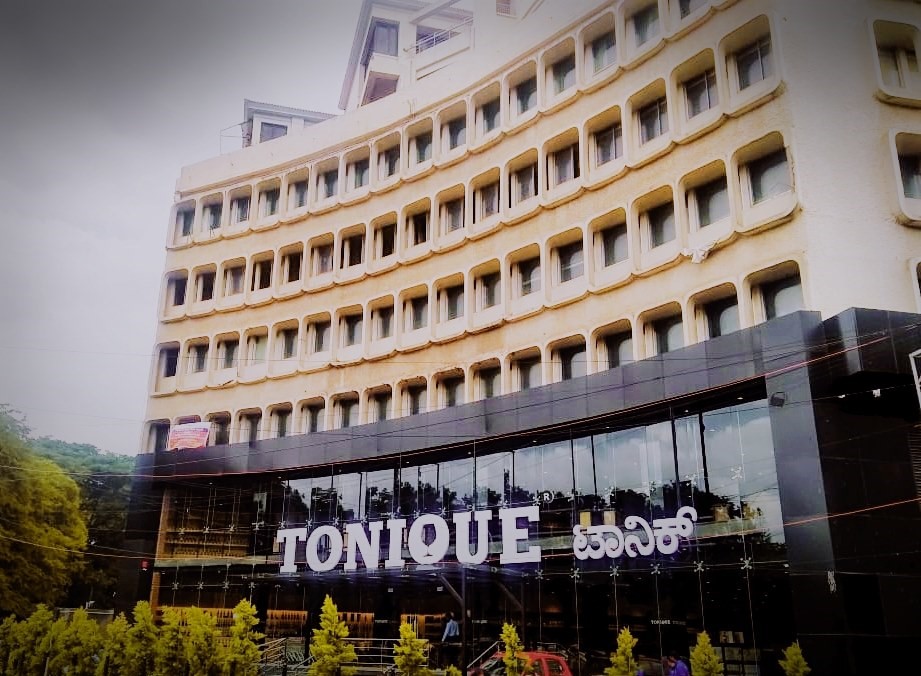
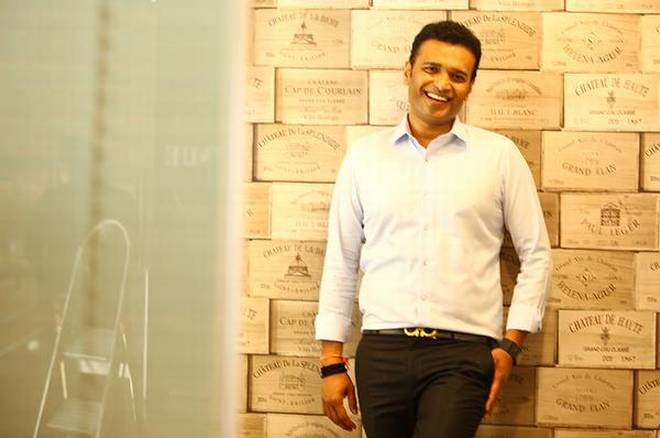
From the family coal mines to creating India’s largest and classiest liquor boutique, Anith Reddy (pictured below) and his new Tonique boutique liquor stores are a symbol of modern India with special attraction to middle class millennials.

Reddy has just opened his second store – Asia’s largest liquor boutique – in Bengaluru after earlier success in Hyderabad.

He has a store in Mumbai in mind but like the modern Indian entrepreneur, his ambitions are beyond India – he wants to open Tonique in New York.

tonique

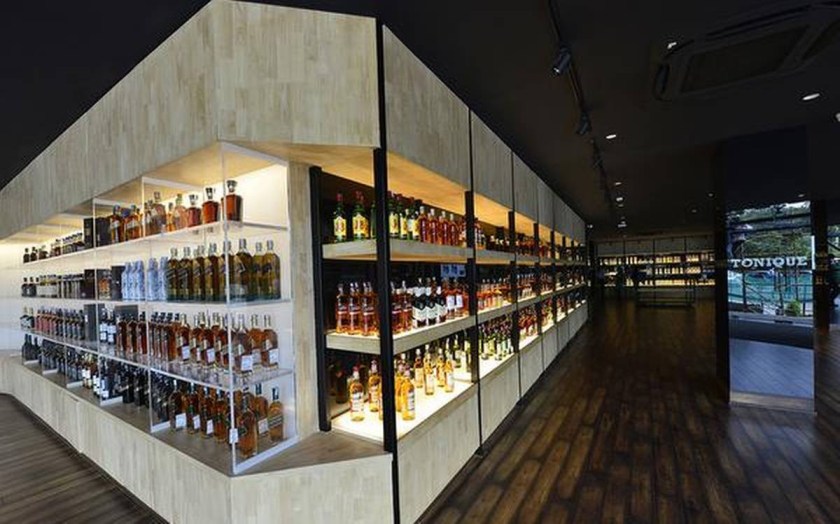
At 30,000 sq. ft, spread over two floors, Tonique is certainly large. Unlike other liquor supermarkets in Bengaluru, like Madhuloka, Drops Total Spirits and House of Spirits, it is stylishly appointed, with hardwood floors, aroma oil diffusers and subtle mood lighting. “We want to be the Louis Vuitton of the liquor industry,” says Tonique’s founder, Hyderabad-based entrepreneur Anith Reddy.

Reddy, 43, (pictured below) believes buying liquor should be an experience – millennials value “experience” way above possessions and status, so he is on target.

tonique2

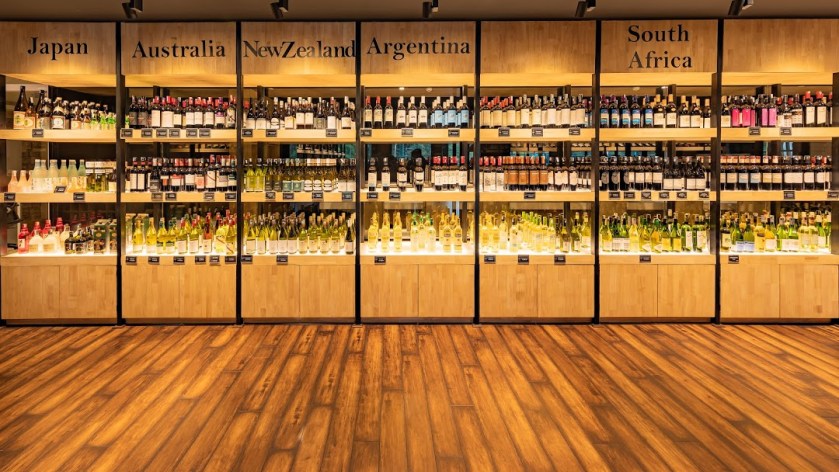
In the store, buyers can interact with sommeliers and brewmasters. The store’s top floor, entirely dedicated to wine (1,000 different labels, including champagne), also houses a 600 sq. ft wine-tasting room that will host events, a bakery that will serve fresh liqueur chocolates and other delicacies, and a cheese section.

Bengaluru is a smart choice – the city’s social life and drinking habits set it apart from the rest of the cities in India. Bangalore has also been a favourite amongst many international brands.

And social behaviour is changing – now 60% of the visitors to Tonique are women, compared to an expectation of around 30%.

tonique3

Apart from purchasing wine bottles to stock up your wine collection, you can also drink your wine in-store.

The consumer power of India’s millennials is just beginning to have impact and stores like Tonique are moving with this generation. There are 450 million millennials in India and those with money to spend are looking for that special brand. Tonique is showing the way!

Citrus Australia says Indian market needs at least 5 years of relationship building

Of course, Citrus Australia is encouraging growers to think about building relationships in the Indian market. We produce plenty of citrus and more to come.

citrus

But it was such a thrill to learn that their CEO, Nathan Hancock (pictured), believes at least a 5-10 year strategy is required.

nathanhancock

INTO INDIA has been saying for years – India is for the long-term relationship builders and Citrus Australia is heading the right way.

He has told the industry they might need to accept a lower price just to build this relationship – and then there could be opportunities for price increase.

He rightly says India wants to buy “safe and healthy” food – and Australia has this reputation.

citruspic

Citrus Australia has been looking at the potential for mandarins – I would too, and one target could be the millennials (age 21-37) who are more open to experimenting with foods.

Flipkart and the amazing growth of Indian startups

Year 2007 saw a landmark event in the history of Indian enterprise – one of many events that mean you should change your strategy for India market entry.

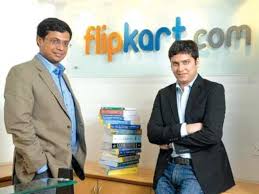
In October 2007, two young Amazon executives – Sachin and Binny Bansal (pictured above) set up an e-commerce website they called Flipkart, India’s most iconic startup story till date.

Flipkart was valued at US$ 21 billion when it was eventually acquired by Walmart in 2018.

Flipkart

The success of the Bansals also inspired many a startup journey in this period. Flipkart was obviously not an isolated event.

More top-notch professionals started sensing lucrative opportunities, leading by example and setting up their own ventures in the 1990’s.  Sanjeev Bikhchandani, Founder & Executive Vice Chairman, Info Edge India Ltd (of Naukri.com fame), and VSS Mani, founder of Justdial, were some notable examples.

Deep Kalra, (pictured below) Founder, Chairman and Group CEO, MakeMyTrip.com, got acquainted with the potential of the internet as an avenue for distribution while working at GE Capital and decided to set up the popular travel portal.

makemytrip

The most significant game changer is the manner in which mobile phones and more specifically smartphones have penetrated the Indian market. The direct implication of this has been that a large majority of Indians have, or are about to access the internet for the first time on their mobile phones.

A report by Kantar-IMRB in March 2019 estimated India’s internet users at 566 million, projected to reach 627 million by the end of the year.

millennialshopping

Around 97% of India’s netizens use mobile as one of the mediums.

This has created new avenues of growth and spurred startups like InMobi, Ola, Zomato, Practo, UrbanClap, BigBasket, Pepperfry and more.

These startups have been fueled by several other factors – increasing affinity towards entrepreneurship, potential of the Indian market, globalization and the resulting interface with other ecosystems (particularly Silicon Valley), rising confidence towards startup funding and facilitating policies.

According to the NASSCOMZinnov Startup Report 2019, the ecosystem added around 1,300 startups in 2019, taking the total to 8,900 tech startups.

India ranks third both in the number of startups and unicorns. The aggregation space has definitely been the beehive for startup innovation. The top ten unicorns of India as on date include 6 aggregators, two fintech firms and one edtech firm.

Investments by VCs have grown by four times during the period, and number of deals increased from 130 in 2013 to 270 in 2017.

India needs more stories like Delhivery (logistics), Vortex (solar ATMs) and Ather Energy (electric mobility).

vortex

A welcome trend is that of well-established corporates engaging with startups to bring greater innovative capabilities in their own DNA. This could be pivotal for India as it seeks to move ahead of the curve in areas like AI and machine learning.

Meantime China is part of this Indian story.

Chinese tech giants Alibaba and Tencent, early-stage investors Hillhouse Capital and CDH Investments, large corporations such as Meituan and Fosun, and smartphone makers Xiaomi and Oppo — a little over 100 Chinese firms have made investments in Indian startups.

Chinese VCs have invested over USD8 billion and hold large stakes in a number of Indian startups, including unicorns and “soonicorns”.

Watch this space…

Thanks to the Trade Promotion Council of India for information for this blog.

India wine harvest down this year – opportunity for Australia?

India’s wine grape harvest is well down this year. A spell of unseasonal rain in October and November has spoiled grapes sown in Sangli and Nashik – both are in the State of Maharashtra in the “cooler” areas near the Western Ghats mountain range.

Sula_Vineyards

Pictured above – Sula vineyards – dominant Indian wine brand

On average, the state of Maharashtra crushes 20,000 tonnes of grapes and produces 1.2 million litres of wine – this year, however, just 12,000 to 15,000 tonnes of grapes will be crushed, resulting in the production of 700,000 litres of wine.

I first heard about this from the Trade Promotion Council of India who produce terrific information about trade with India – well worth having a look at their website.

But the figures hide another reality – quality will be down.

Commenting on the issue, Mr. Rajesh Jadhav, secretary of All India Wine Production Association, said, “There will be a 25% reduction in wine production and due to poor quality of the fruit, it will be difficult to maintain quality.”

India’s millennials (there are 450 million of them) are drinking wine – not in quantity but definitely chasing quality.

The Australian wine industry has a presence in India but mostly at the lower end – cheaper or good value wines led by Jacobs Creek.

Time for Australian wines to pursue sales channels in India!

Asia Society doing great things to connect Australia with India and beyond

Very good news for my hometown Melbourne and our State of Victoria.

Manoj Kohli, Country Head of SoftBank India, SoftBank Group International, was appointed the second Asia Society-Victoria Distinguished Fellow in May 2020.

Manoj Kohli - profile photo 900 x 600

Asia Society Australia-Victoria Distinguished Fellowship is a partnership between Asia Society Australia and the Victorian Government to bring the best minds and ideas from Asia and Australia to Victoria. It aims to generate new ideas and promote greater economic, strategic and cultural connectivity between Australia and the Asia-Pacific region. The Fellowship will showcase the state of Victoria as Australia’s centre of excellence for Asia insights and capabilities.

The Asia Business Taskforce

On Friday 5 October 2019, the Business Council of Australia and Asia Society Australia announced the formation of an Asia taskforce of senior leaders from the business, education and government sectors to examine how Australian companies and organisations can increase their presence and position in Asia to ensure our continued prosperity and deliver progress for future generations.

The Asia Business Taskforce is chaired by Mark van Dyck, Managing Director (Asia-Pacific), Compass Group, and co-led by Jennifer Westacott, CEO of the Business Council of Australia, Philipp Ivanov, CEO Asia Society Australia, and Andrew Parker, Asia Practice Leader and Partner at PwC.

The taskforce examines how Australia can build and enhance its position with the powerhouse Asian economies in our proximity, diversify our economic partners, and prepare for a more strategically and economically competitive region.

Throughout 2020, the taskforce aims to delivering a series of policy recommendations to government.

These are two brilliant programs of the Asia Society here in Australia.


The 7 ways business and brand can thrive in Industry 4.0

The world is moving quickly into a new era known as Industrial Revolution 4.0 and business brands will have to adapt. This will be our biggest challenge “after coronavirus”.

We have already seen Tata Consulting Services (TCS) shake the world of work by announcing a target of 75% or its 450,000 workers operating from home or remotely by 2025. Others will have to follow.

The fourth industrial revolution sees at least ten major changes, each reinforcing the other so that how we do business and how we work will be totally transformed. The first three industrial revolutions were each about only one change – steam, electricity and computers.

industry4.7

Companies will need to be nimble and honest about the status of their brand – the immediate future can either build or destroy your brand credibility. Here are my 7 tips for thriving as a brand in Industry 4.0:

  1. Show your company can continue to learn

Having a “we want to keep learning” brand is highly desirable for the market, clients and future employees. Audit your brand communication – does it show the organisation is curious, reading and listening widely, entering staff and customers into discussion groups and a genuine “learning organisation”.

  1. SECOND – Demonstrate wisdom and common sense

Your clients look for more than knowledge from you – they want a brand that demonstrates common sense. The best way to describe the difference is through the humble tomato – knowledge tells you a tomato is a fruit (not a vegetable) – but common sense prevents you adding the tomato to a fruit salad. Making sure your senior people have mentors can help their levels of common sense.

  1. THREE – Gain good collaboration and friendship skills

Industrial 4.0 will make collaboration easy and instant with anyone, anywhere and anytime – and the change will benefit those businesses that have the skills to reach out, make friends, work across the globe and build collaboration. It is worthwhile evaluating how much you are seen as a collaborative partner.

  1. FOUR – Build cross-border understanding and skills

Already our lives in one country are intersecting with lives of other countries, and Industrial 4.0 will make the globe an even smaller place. Those who have travelled, who have acquired both knowledge and experience of other cultures will be in high demand, simply because almost every job will have global aspects. Prepare your employees via cross cultural training and global exposure.

  1. FIVE – Make everyone an outstanding communicator

Traditional “soft skills” training will not prepare your team for the fast future – outstanding communication skills for Industrial 4.0 will include rapid pitching, ability to support points in a way which moves others, skills to relate directly and closely with those above and below you. The irony is that as the technology impacts even more, it is the brands that communicate well who will succeed.

  1. SIX – Be known as team-based problem solvers

More work will be team-based, and a powerful brand characteristic is being “team-based problem solvers”. Do your problem-solving teams include members from other companies? Should you offer clients and customers a role?

  1. SEVEN – Build self-reliance and resilience

With the pace of change, your people will need to be more self-reliant and resilient. Life will present challenges almost constantly. Make sure your people can cope, because that reflects in your brand being a steady and trusted delivery sources. When staff lose resilience, your brand is also diminished.

Stephen Manallack is the author of four books, including one published in India (“Soft Skills for a Flat World”, Tata McGraw-Hill India), a speaker on communication and is delivering a series of webinars on Industry 4.0 for Indian and Australian universities. He is a blogger at Into India and regular visitor to India. EMAIL stephen@manallack.com.au

industry4.0hands

India’s TCS to move 75% of employees to work from home – permanently!

Remember this man – his name is Rajesh Gopinathan, Chairman of TCS, and he is about to turn the way we work upside down – permanently!

India’s biggest IT firm, TCS, is set to shake up the global IT industry employment practices – and maybe start a global revolution in how we work.

work

Post-coronavirus, TCS has announced it will not go back to the old way, launching instead a new model called 25/25 using what is called Secure Borderless Work Spaces (SBWS).

Running up to 2025, TCS will ask a vast majority of 75% of its 450,000 employees globally to work from home, up from the industry average of 20% today.

tcs

TCS will discard its 20-year-old operating model and leapfrog into a new mode of work.

Others will have to follow. For a start, how will they compete for the best recruits? And how else will they achieve productivity gains?

The new model called 25/25 will require far less office space than occupied today. “We don’t believe that we need more than 25% of our workforce at our facilities in order to be 100% productive,” says TCS’s chief operating officer NG Subramaniam (pictured below).

tcs subramanian

TCS is something of a bellwether among India’s IT services firms, so Wipro, Infosys and others will likely follow.

Experts say before the lockdown no more than 15-20% of employees ever worked from home among the Indian services firms.

I have been on some of the Indian IT “campuses” – huge sites usually on the edge of the city in a park-like area with multiple buildings, lifestyle facilities and essentially a “living away from home” model for thousands of employees.

All this will change – and fast.

tcs campus