The problem with RCEP is it has forgotten to walk in India’s shoes

Many of us had “high hopes” for the Regional Comprehensive Economic Partnership (RCEP). In a world of “trade wars” this seemed a way to create the world’s largest trade pact. Exciting stuff.

RCEP wanted to cover the 10 member countries of the Association of Southeast Asian Nations (ASEAN), and the six countries with which the ASEAN bloc has free trade agreements (FTA). These included Australia, China, South Korea, Japan and New Zealand.

rcep5

But now it seems to have gone. India has called a halt to it. Or, to be more accurate, inflexible negotiations on India’s concerns have pushed India out.

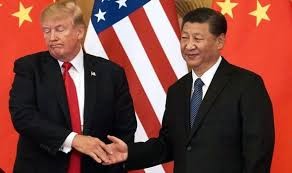
Here is a problem for RCEP – under their proposed deal, India faced a potential flood of Chinese imports.

Just look at the current global situation and you might understand the Indian approach.

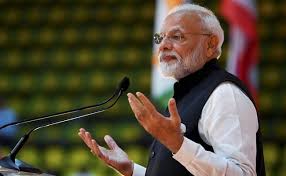
The Indian Government of Prime Minister Narendra Modi has rightly highlighted that “India’s farmers, traders, professionals and industries have stakes in such decisions.” Seems RECP negotiators were not listening.

We have to “walk in India’s shoes” to fully understand this – a decision to safeguard the interests of poor and effort to give an advantage to India’s service sector while not shying away from opening up to global competition across sectors. That is the Indian view.

The view from India was they would have been required to eliminate tariffs on 74% of goods from China, Australia and New Zealand, and 90% goods from Japan, South Korea and ASEAN. In the midst of an economic slowdown, India “faced the risk of becoming a dumping ground for cheap Chinese goods.”

There was a special concern of Chinese agricultural products hurting Indian farmers.

RCEP advocates have hurt themselves by refusing to “walk in India’s shoes”. That’s no way to negotiate.

rcep3


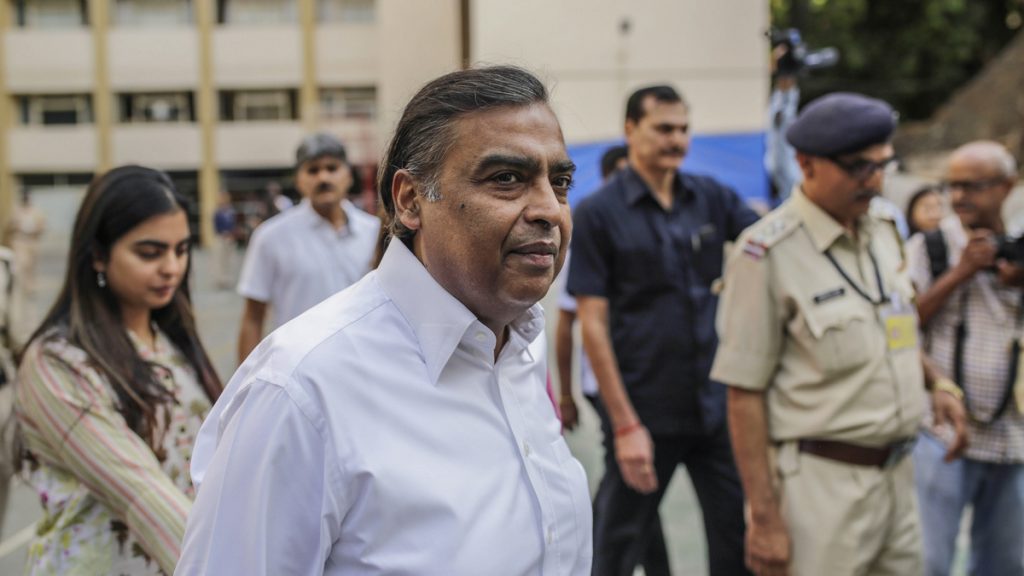
Ambani leaps into the online retail space as he transforms Reliance Industries Ltd

Indian billionaire Mukesh Ambani (pictured) moved a step closer to creating an e-commerce giant for India, unveiling plans to set up a $24 billion digital services holding company that would become the main vehicle in his ambition to dominate the country’s internet shopping space.

This is really hotting up as Ambani takes on Amazon and Flipkart (owned by Walmart).

The board of Ambani’s Reliance Industries Ltd. approved a proposal to place $15 billion into the fully owned subsidiary, which will in turn invest that amount in Reliance Jio Infocomm Ltd., the conglomerate’s telecommunications venture.

The move by Asia’s richest man is the latest sign of the oil-to-petrochemicals group’s pivot toward data and digital services for future growth. Ambani, 62, told shareholders in August that the new businesses, including retail, are likely to contribute half of Reliance’s earnings in a few years, versus about 32% now.

While former English teacher Jack Ma started Alibaba in 1999 from scratch, Ambani is using the heft of his empire to build something similar for India by connecting retailers and consumers.

Shares of Reliance Industries have rallied 28% this year, compared with an 8.8% gain in the benchmark S&P BSE Sensex index.

The tycoon, whose net worth is about $56 billion as per the Bloomberg Billionaires Index, has also revealed a plan to sell 20% of Reliance’s oil and chemicals business to Saudi Arabian Oil Co. at an enterprise value of $75 billion – he’s cleaning up the balance sheet and heading for a “debt free” target soon.

Watch this space!

India’s PM Modi facing economic slowdown and needs a growth trigger

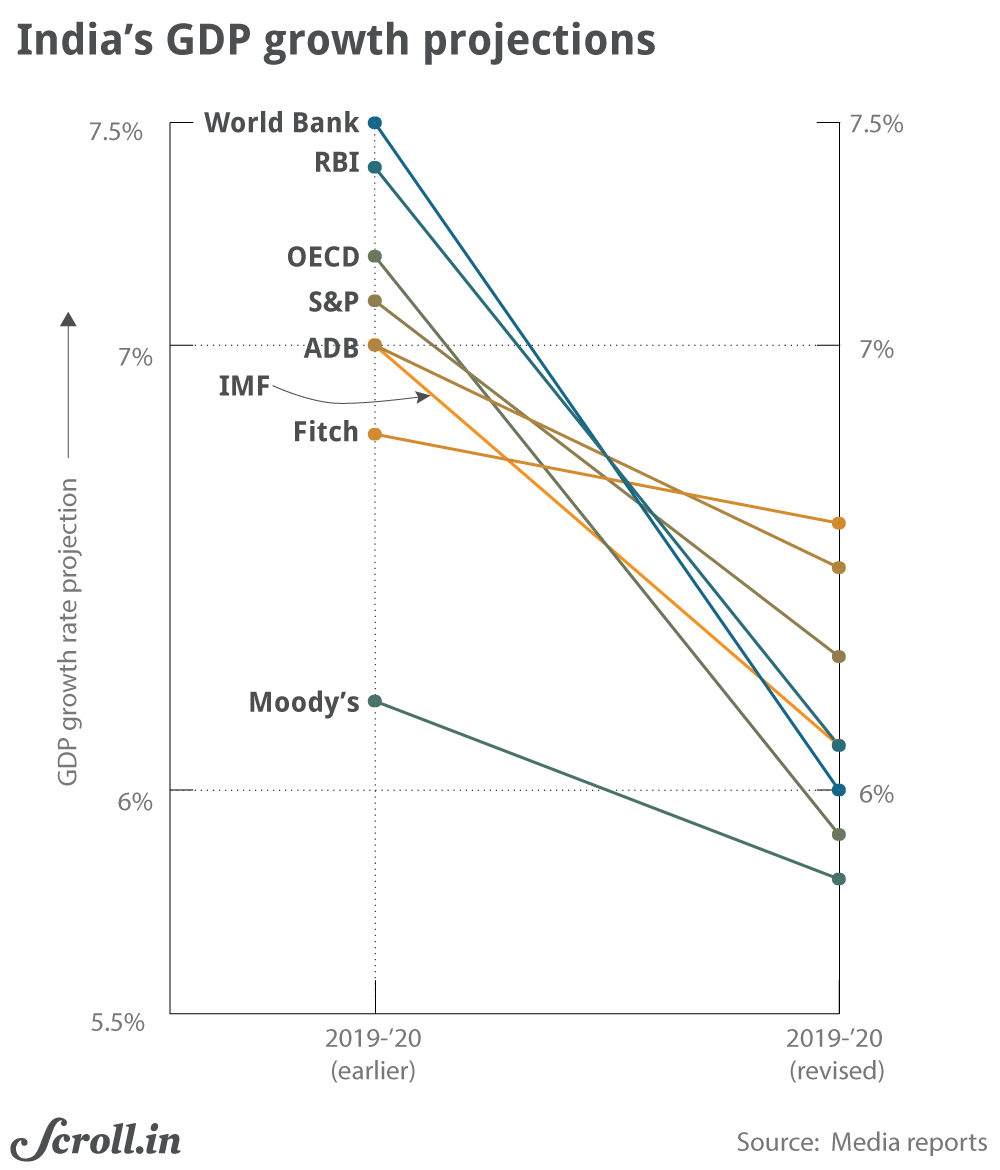
Moody’s is the most pessimistic, predicting Indian GDP to grow at just 5.8% for Financial Year 2020.

But s the above chart shows, many others are predicting declines.

This is a challenge for Indian PM Narendra Modi who has pinned his future on sustaining growth and lifting more out of poverty.

Citigroup has been optimistic on India, predicting that by 2050 India would be the world’s biggest economy. That was based on an annual growth rate of 6.5% over 40 years.

But 2019 has seen a slowdown to around 5% growth.

The one constant in India is population growth – around 20% per decade.

While the services and manufacturing sectors are seeing good growth, more can be achieve and infrastructure across the board still needs surgery. Daily power outages are common in major cities, education outcomes disappoint and healthcare is lagging. Not to mention roads and so on.

PM Modi needs a trigger – something that can draw the business and investment communities together to regain the excitement of the India growth story.

It is a major challenge.

Karnataka could lead India into global academic collaborations

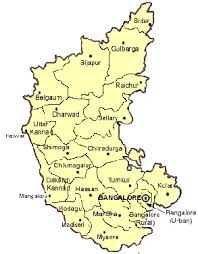
India’s state of Karnataka is currently looking at a proposal to establish a “Centre for International Strategic Academic Collaboration” which would actively generate linkages with international universities and students.

The proposal is the brainchild of Mr. Nanjundaiya Ramesh Kumar (pictured below), holder of two Masters’ degrees – Industrial Economics from Brussels University, Brussels, Belgium and in Business Administration from Boston University, Boston, US. He is an experienced international banker and advisor to Governments as well as a tireless promoter of Karnataka as a provider of quality university education – the state has 55 universities.

ramesh

INTO INDIA recently reported on an initiative of RMIT University in Melbourne to create a collaborative post graduate research model with India – universities and research institutes.

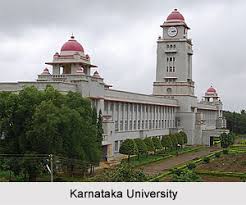
The Karnataka “Centre for International Strategic Academic Collaboration” would involve all 55 Universities (faculty, students and other stakeholders) in Karnataka and the professional community of learners internationally to achieve sharing of best and tested education practices via a mutually beneficial and collaborative international partnership.

karnatakauni3

The Centre would ensure that arrangements are in place at the University level for the effective management of overseas strategic academic collaborations, including procedures for the maintenance of academic standards and the assurance and enhancement of the student learning experience.

It would reach out to International Deans, College International Leads and College International Business Development Managers and key overseas University Services on the development and management of academic collaborations.

karnatakauni4

The Government of India since 2016 has been encouraging collaboration between Indian and overseas Universities.

Centrally this initiative has the full support of the Ministry of Human Resource Development and all States in India have been advised to look into this on priority basis.

Recommended areas of collaboration include Art and Design, Health, Higher Education, Creative writing & poetry, Literary criticism & English language, Sociology and Social Policy, Aviation, Transport and advanced Communication. Research Collaborations would be sought in Sensing & Imaging, Electrochemistry, graphene and carbon nanotubes, Mechanical Engineering, Biomedical Engineering and Sustainable Ecology and environment protection studies.

Education Hubs

One of the suggestion of the proposed Centre will be to Create ‘Education Hubs‘ or Centres of Excellences (CoEs) strategically in Bengaluru and allow reputable overseas institutions and universities to establish a presence in India, through joint initiatives (with any local university in Karnataka) in curriculum design and delivery, branch campuses, train the trainer initiatives and joint research and scholarly activities that could help build capacity, reduce the imbalance in student mobility and attract significant export earnings.

Karnataka is already strong in higher education – this proposal could see the state become a global higher education powerhouse and magnet.

This is definitely something the Australian Government and Australian universities should be actively looking at as pathways to collaboration in India become more open.


Indian PM Modi picks up rubbish on the beach – how many PM’s and Presidents would do that?

Into India has always said Indian Prime Minister Narendra Modi is different – in a very good way! News this week gives another example.

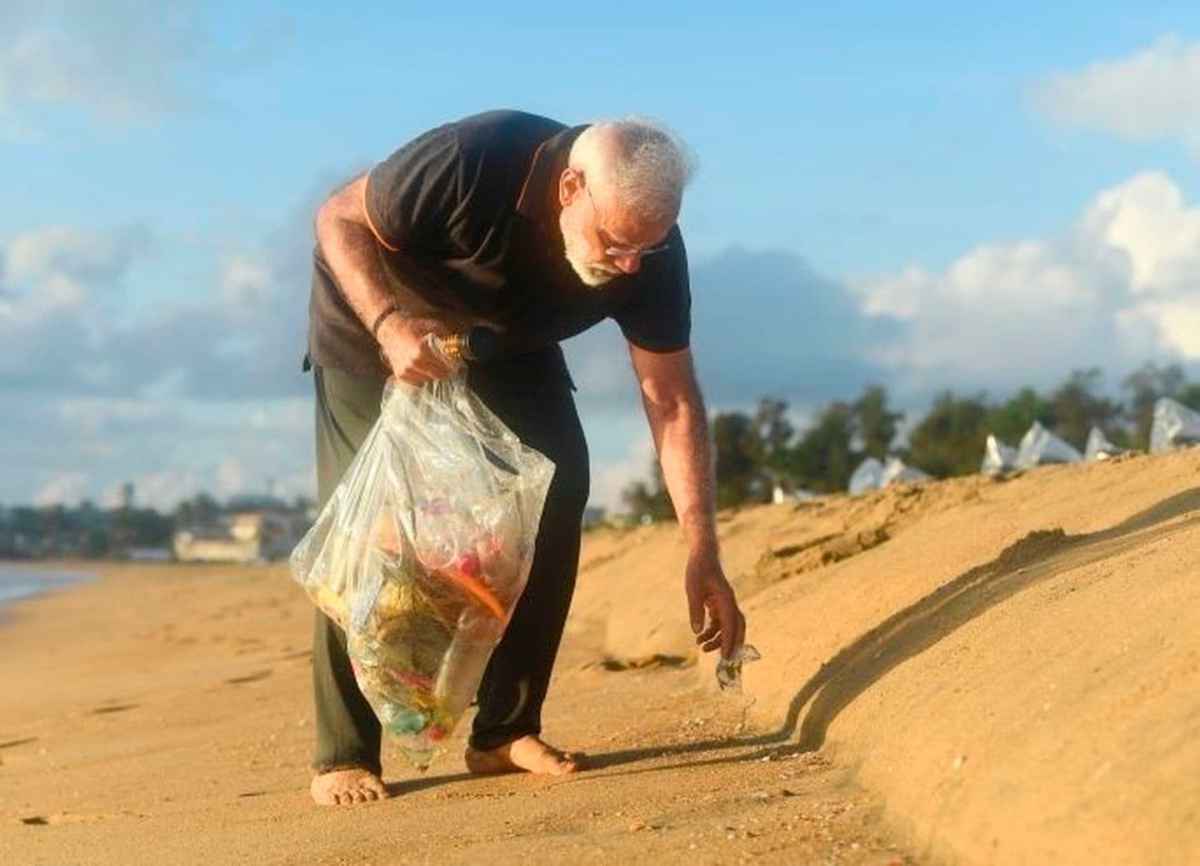
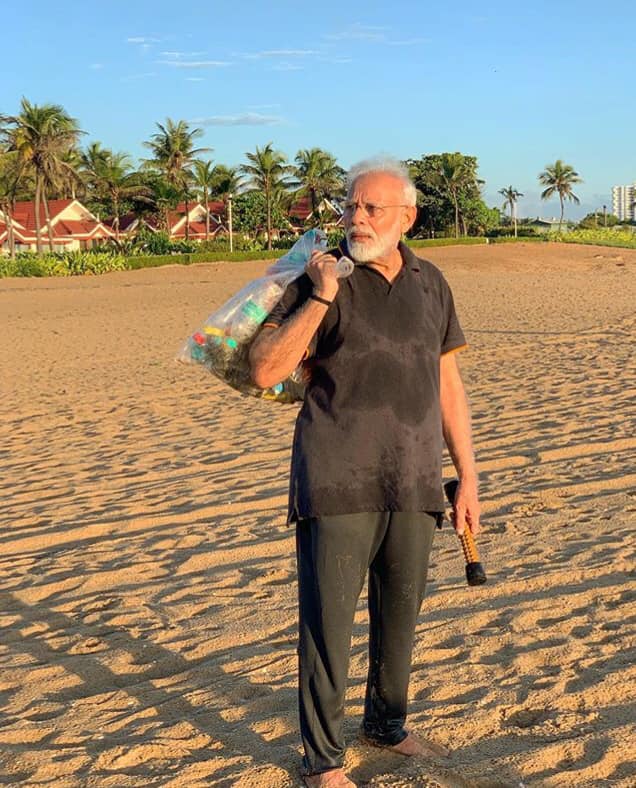
As part of his cleanliness drive, PM Modi picked up trash Saturday (pictured above) from a beach in the southern temple town where he hosted Chinese President Xi Jinping.

Modi released a short video on Twitter showing him walking barefoot in the sand, collecting the trash in a bag on Saturday morning in Mamallapuram in Tamil Nadu state (pictured below).

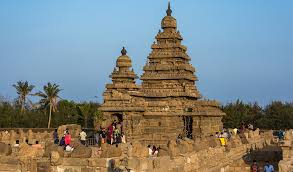
mamallapuram

He tweeted, “Let us ensure our public places are clean and tidy.”

Modi launched a “Clean India” campaign after he became prime minister in 2014.

In a radio talk last month, Modi lauded the efforts of an Indian “plogger,” Ripudaman Belvi, who launched a campaign to pick up litter while jogging.

Modi said that “plogging” is popular in foreign countries, and praised Belvi for promoting it in India.

We told you he was different! Let’s have more like him.

Modi rubbish

I hope Australian PM Morrison will speak in January at India’s Raisina Dialogue

Good news – Australian Prime Minister Scott Morrison is to visit India next year.

There is a hint that the timing is January.

I hope he chooses to become a keynote speaker at the Raisina Dialogue – January 14-16.

Raisina Dialogue is a multilateral conference committed to addressing the most challenging issues facing the global community. Every year, global leaders in policy, business, media and civil society are hosted in New Delhi to discuss cooperation on a wide range of pertinent international policy matters.

The Dialogue is structured as a multi-stakeholder, cross-sectoral discussion, involving heads of state, cabinet ministers and local government officials, as well as major private sector executives, members of the media and academics.

The conference is hosted by the Observer Research Foundation in collaboration with the Government of India, Ministry of External Affairs.

The visit is also a great opportunity to further develop the positive relationship PM Morrison has with Indian Prime Minister Narendra Modi.

Modi20192

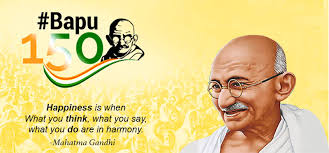
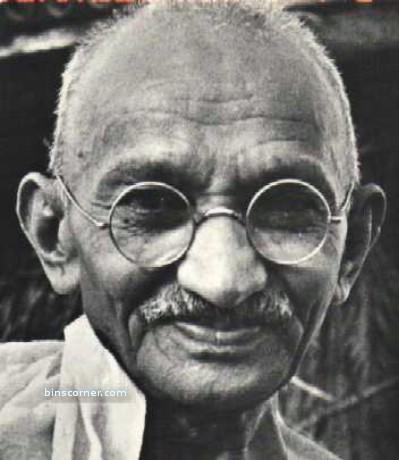
The world has been changed by Gandhi – celebrating 150 years since his birth

History recognizes Mahatma Gandhi (1869-1948) as India’s “Father of the Nation”.

But he has been the “Father of Change” throughout the world.

ATT00036_

Peaceful freedom campaigners such as Nelson Mandela, Martin Luther King and Tibet’s Dalai Lama owe much to this great man.

Gandhiashram

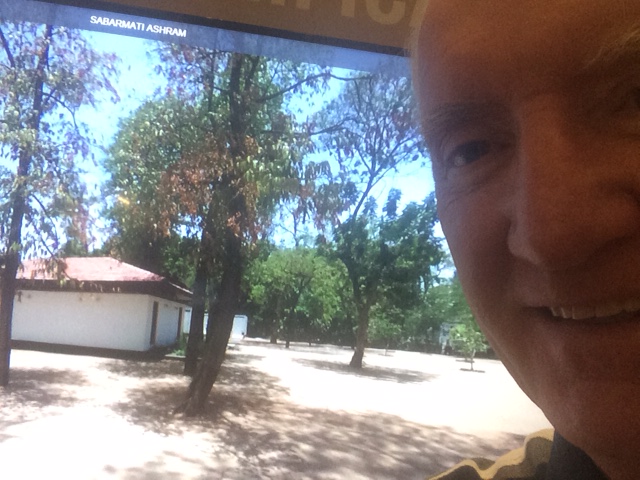
I am pictured visiting the Gandhi Ashram in Gujarat

In my own generation it was our opposition to the Vietnam War that led us to study Gandhi and his methods of non-violent protest. In this way he inspired young people in the 1960’s in Australia, USA, Canada and more.

I especially love his message encouraging tolerance: “As long as you derive inner help and comfort from anything, keep it”. He said: “The golden rule is to test everything in the light of reason and experience, no matter from where it comes.”

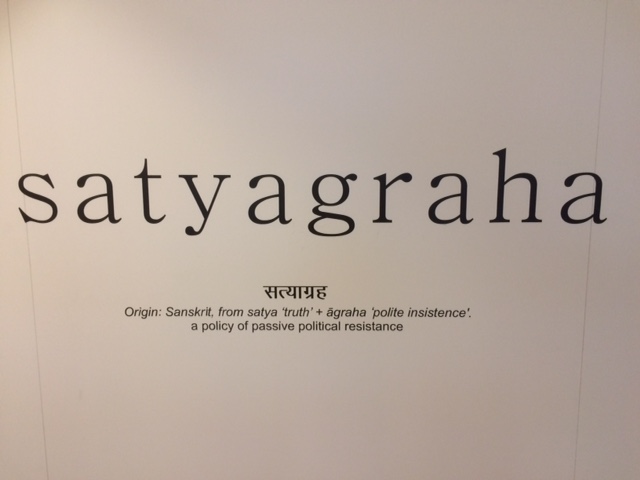
gandhisatyagraha

Some more Gandhi messages for specific sectors:

Communities: “The weak can never forgive. Forgiveness is the attribute of the strong”.

Leadership: “I suppose leadership at one time meant muscles; but today it means getting along with people.”

Careers: “The best way to find yourself is to lose yourself in the service of others.”

Business: “A customer is the most important visitor on our premises; he is not dependent on us. We are dependent on him. He is not an interruption in our work. He is the purpose of it. He is not an outsider in our business. He is part of it. We are not doing him a favour by serving him. He is doing us a favour by giving us an opportunity to do so.”

Innovation: “Freedom is not worth having if it does not include the freedom to make mistakes.”

Education: “Live as if you were to die tomorrow. Learn as if you were to live forever.”

In our ever-busy lives, Gandhi is a role model in taking time out for the simple things. I saw this in bustling Mumbai at Mani Bhavan (Gandhi House), a three storey home with shuttered windows, a residence that Mahatma Gandhi was able to use. His room is simply furnished, austere. He would sit and read, spin cotton or talk to friends. It was his quiet time.

This was indeed the man who said there was enough in the world for everyone’s need but not for everyone’s greed.

No surprise then that Gandhi’s core approach to life was “You must be the change you want to see in the world”, a message very alive today as we seek to enhance our tolerant, multicultural communities.

ATT00012_

Australia will relate better to Asia by removing the “bamboo ceiling”

Former Labor Government Minister and current Chancellor of the Australian National University – Gareth Evans – has raised an important challenge for Australia that is too often swept under the carpet.

Australia’s “bamboo ceiling” keeps Asian Australians out of top positions.

Here is the view of Gareth Evans:

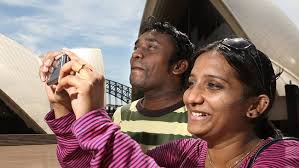
“The “bamboo ceiling” in Australia is real. Asian-Australians now comprise up 12 per cent of our total population but hold only around 3 per cent of senior leadership positions in our public institutions and ASX 200 companies. They have been an under-appreciated and under-utilised national resource for far too long.”

tourists3

Gareth Evans sums it up so well:

“The bamboo ceiling is an issue on which we have ducked and weaved and dithered for too many years. The Asian century is off and running and we have in our midst a fantastic community resource with which to take maximum advantage of all the opportunities it offers.”

Well said.

And my view?

fairgo

Removing the “bamboo ceiling” would reduce Australia’s anxiety and uncertainty over Asia – it would allow Australia to play a big role in the “Asian Century”.

One third of the world’s population lives on our doorstep – and they are on the rise as economies and powers.

By getting our own house in order – removing the “bamboo ceiling” – we can live positively and well in the world’s most exciting region.

China and India are our biggest source of migrants – let’s give them every opportunity.

Fair go, Australia!

What is the great legacy of the west?

For over 200 years the west has dominated. Economically strong, trading nations, global defence forces. It is a good time to ask – what is the great legacy of the west?

The Age of Enlightenment, time of reasoning, power of science, all were revived by the west. This is the view that together we can solve problems.

Enlighten2

Free market economics – has shown how to lift people out of poverty and share the wealth – not perfect, but probably the best model.

Psychology of the positive – anything is possible. Contrast this with “fatalism”. Love this “can do”.

Good Government – the west leads in healthcare, infrastructure and education – and in the west people receive lots of government sponsored information and practical ways to live better. Of course, not perfect.

This is a legacy that will impact on those emerging leaders such as India and China.

Why is the west being so jittery about the rise of Asia?

Trade war on China. Military action here and there.

The west is jittery. Yet all we have is the return to the normal state of affairs – until exactly 200 years ago China and India were major global economies. Now they are again.

So, why is the west so jittery about the rise of Asia?

First, the west “won” the cold war against Russia without firing a single shot. Great victory – but the pride of that has become hubris and shows in a belief that only western liberal democratic countries can succeed. And here comes China. Not western, not liberal and not democratic. Jittery.

russia2

Second, 9/11 was a shocking event that dominated the mind of the west then – and now.

Wile we focused on 9/11, two things happened – rising China joined the World Trade Organisation and the lowest earners in the USA were hit by a 50% decline in income.

Hence – Trump. And hence, lots of jittery decisions being made throughout the west.

Can the west get back to rational, calm and innovative leadership? I hope so.

Thanks to Kishore Mahbubani for inspiring some of the above.