Flipkart and the amazing growth of Indian startups

Year 2007 saw a landmark event in the history of Indian enterprise – one of many events that mean you should change your strategy for India market entry.

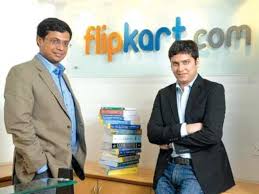
In October 2007, two young Amazon executives – Sachin and Binny Bansal (pictured above) set up an e-commerce website they called Flipkart, India’s most iconic startup story till date.

Flipkart was valued at US$ 21 billion when it was eventually acquired by Walmart in 2018.

Flipkart

The success of the Bansals also inspired many a startup journey in this period. Flipkart was obviously not an isolated event.

More top-notch professionals started sensing lucrative opportunities, leading by example and setting up their own ventures in the 1990’s.  Sanjeev Bikhchandani, Founder & Executive Vice Chairman, Info Edge India Ltd (of Naukri.com fame), and VSS Mani, founder of Justdial, were some notable examples.

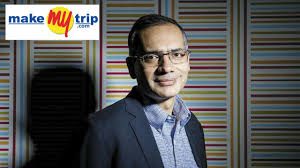
Deep Kalra, (pictured below) Founder, Chairman and Group CEO, MakeMyTrip.com, got acquainted with the potential of the internet as an avenue for distribution while working at GE Capital and decided to set up the popular travel portal.
makemytrip

The most significant game changer is the manner in which mobile phones and more specifically smartphones have penetrated the Indian market. The direct implication of this has been that a large majority of Indians have, or are about to access the internet for the first time on their mobile phones.

A report by Kantar-IMRB in March 2019 estimated India’s internet users at 566 million, projected to reach 627 million by the end of the year.

millennialshopping

Around 97% of India’s netizens use mobile as one of the mediums.

This has created new avenues of growth and spurred startups like InMobi, Ola, Zomato, Practo, UrbanClap, BigBasket, Pepperfry and more.

These startups have been fueled by several other factors – increasing affinity towards entrepreneurship, potential of the Indian market, globalization and the resulting interface with other ecosystems (particularly Silicon Valley), rising confidence towards startup funding and facilitating policies.

According to the NASSCOMZinnov Startup Report 2019, the ecosystem added around 1,300 startups in 2019, taking the total to 8,900 tech startups.

India ranks third both in the number of startups and unicorns. The aggregation space has definitely been the beehive for startup innovation. The top ten unicorns of India as on date include 6 aggregators, two fintech firms and one edtech firm.

Investments by VCs have grown by four times during the period, and number of deals increased from 130 in 2013 to 270 in 2017.

India needs more stories like Delhivery (logistics), Vortex (solar ATMs) and Ather Energy (electric mobility).

vortex

A welcome trend is that of well-established corporates engaging with startups to bring greater innovative capabilities in their own DNA. This could be pivotal for India as it seeks to move ahead of the curve in areas like AI and machine learning.

Meantime China is part of this Indian story.

Chinese tech giants Alibaba and Tencent, early-stage investors Hillhouse Capital and CDH Investments, large corporations such as Meituan and Fosun, and smartphone makers Xiaomi and Oppo — a little over 100 Chinese firms have made investments in Indian startups.

Chinese VCs have invested over USD8 billion and hold large stakes in a number of Indian startups, including unicorns and “soonicorns”.

Watch this space…

Thanks to the Trade Promotion Council of India for information for this blog.

India should be a vital part of the world’s biggest trade deal – RCEP

The countries involved in the world’s biggest trade deal hope to welcome India back into the group – this was announced after their remote meeting last week.

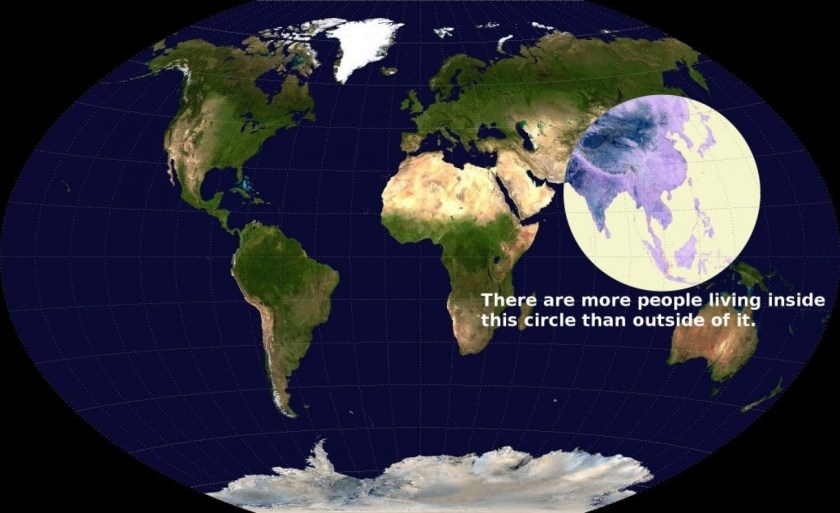
The 16-country Regional Comprehensive Economic Partnership – known as the RCEP – would be the world’s largest when operational, spanning India to New Zealand, including 30% of global GDP and half of the world’s people.

rcep3

But resistance from India – concerned about a flood of cheap mass-produced Chinese goods hurting small businesses in its economy – came to a head last year when India walked out of the deal. I hope it comes back to RCEP.

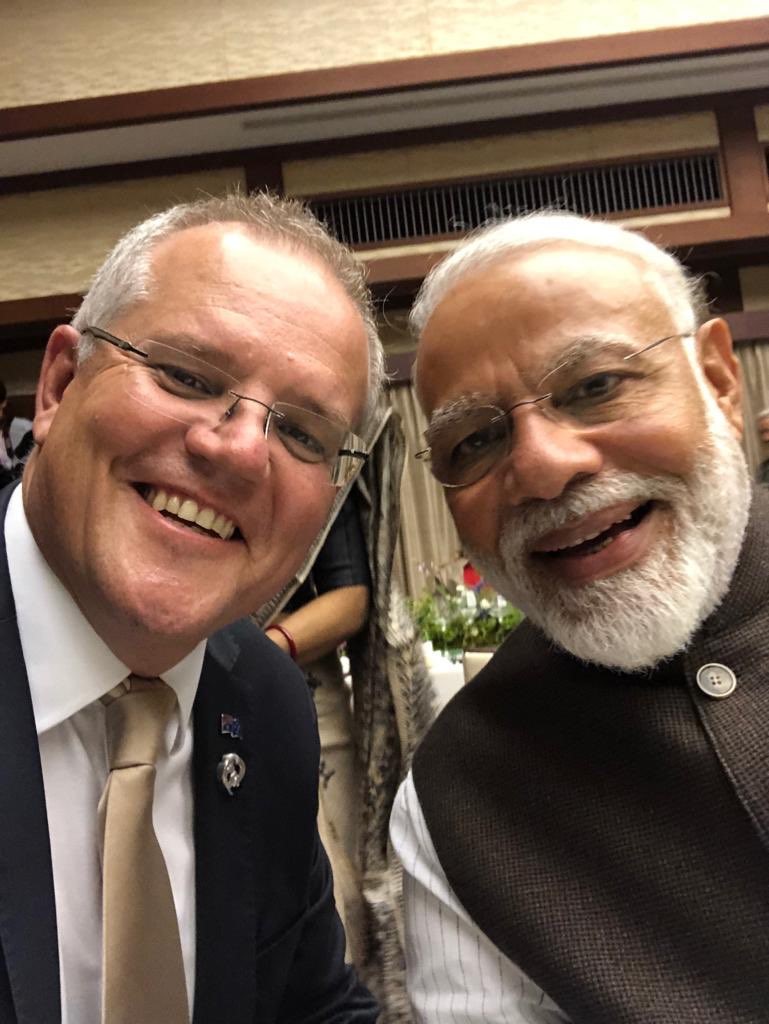
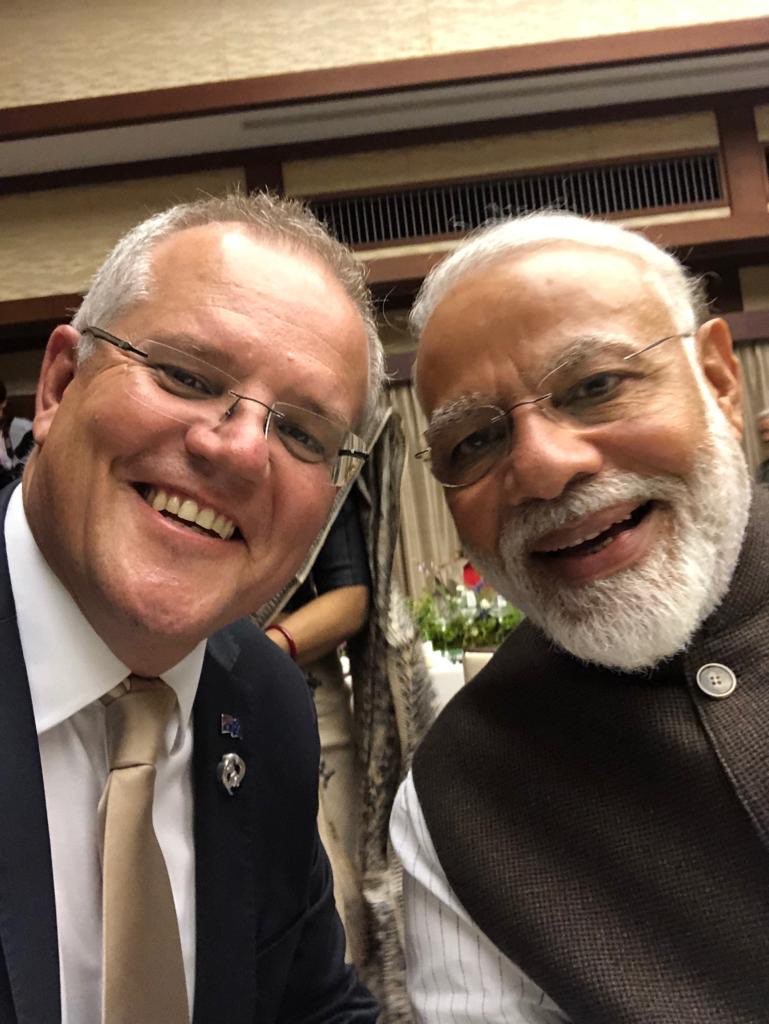
India had legitimate concerns and hopefully RCEP will deliver on these. Australian Prime Minister Morrison and Indian Prime Minister Modi have a good relationship and could work together on the way forward.

ModiMorrisonSmile2

The meeting, while reaching out to India, also made it clear that one way or another the RCEP deal will be finalised and signed in 2020. 

RCEP includes the ASEAN nations plus China, Japan, Korea, Australia and New Zealand.

RIL’s Jio moves to shake up India’s retail market in partnership with kirana stores

INTO INDIA wrote recently about Facebook investing in Jio, the Reliance Industries (RIL) internet and  telecoms arm.

Now they have announced a move which could long term shake up the retail space in India.

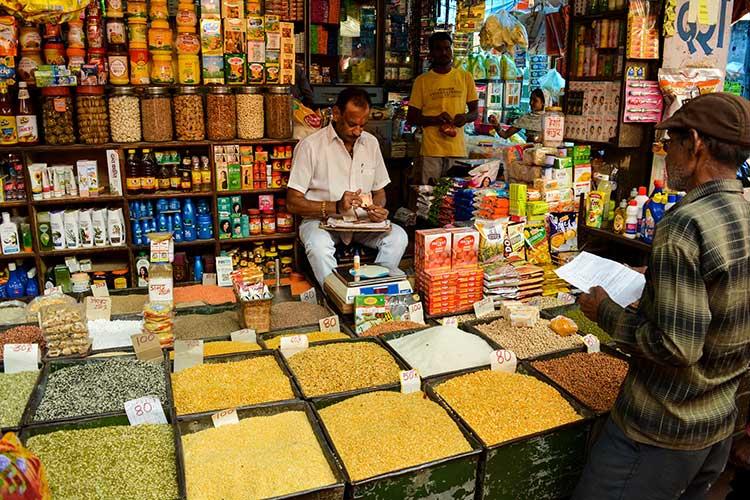
It seems that forever retail in India has been dominated by “mom and pop” local stores which are known as “kirana stores”. Most retail changes so far have been in competition with these stores.

kirana2

But kirana stores have a firm grip on the Indian shopping psyche.

So now comes news that RIL has started home delivery of essentials in partnership with local kirana stores in Navi Mumbai, Thane and Kalyan. These services are available under JioMart, an e-commerce venture of Reliance Retail, an RIL subsidiary.

kirana3

This innovation uses WhatsApp (owned by Facebook), which has more than 400 million users in India. If it goes well, the scheme will be extended to other Indian cities.

jiomart

Bank of America reports that RIL could digitise 5 million stores by 2023. Kirana stores are keen to go digital, driven in a big way by GST compliance.

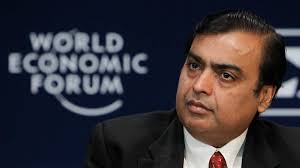
Mukesh Ambani, Chairman of RIL, is moving fast to change from a petrochemical giant to a mixed business including strong telecom and retail capacity.

mukeshambani2

Facebook buys big in India and the battle for market share is on

Facebook has taken a huge leap into India.

It has bought a 9.99% stake in Reliance Jio platforms for US$5.7bn. According to Mugunthan Siva, CEO, India Avenue Investment Management (Sydney): “This is the largest investment for a minority stake by a technology company anywhere in the world.”

I would add it is the largest FDI in the technology sector in India.

So now the battle lines are drawn in India – the deal will also help Facebook battle rapidly growing Chinese apps like Tiktok which have attracted India’s youth. Not to mention a mouth-watering four-way tech tussle with Japan’s Softbank, US heavyweights Google & Amazon and China’s Alibaba.

India is worth fighting over – a recent report by Cisco said India is poised to have more than 900 million internet users due to the increased penetration of affordable smartphones and cheaper internet plans. India will also have around 2.1 billion internet-connected devices by 2023, said the report.

This is also another step for the Mukesh Ambani led Reliance Industries Ltd (RIL) which has been pursuing an oil-to-telecom move plus cutting debt.

Mukesh Ambani

In less than four years, Jio has brought more than 388 million people online,

This battle is bigger than just the investment – Jio Platforms, Reliance Retail and Facebook’s WhatsApp service have also entered into a commercial partnership agreement to further accelerate Reliance Retail’s new commerce business on the JioMart platform using WhatsApp and to support small businesses on WhatsApp.

Ambani invested around $40 billion to launch Jio in 2016. RIL is also the largest retail player in India thanks to a series of aggressive expansionary moves into consumer-facing businesses such as e-commerce and grocery.

India’s pharmaceutical industry shows how we are all connected today

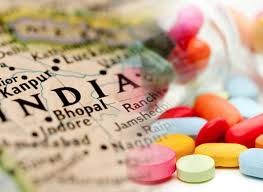
India plans to set up a US$ 1.3 billion fund to boost the manufacture of pharmaceutical ingredients domestically.

How so, since India is already a big pharma player? For example, India supplies about 20% of the world’s generic drugs and is the world’s largest exporter.

pharma4

Well, in pharma as in everything else in life, all things are connected.

You see, India’s supply chain was disrupted due to the coronavirus pandemic – exposing the country’s dependence on China.

Here’s where “we are all connected” comes in – India is indeed a global leader in pharma but it imports almost 70 per cent of its active pharmaceutical ingredients, the chemicals that make a finished drug work, from China.

Which part of China provides the ingredients? Hubei province, the epicenter of the coronavirus outbreak has been major source of these ingredients.

The new program consists of spending on infrastructure for drug manufacturing centers and financial incentives of up to 20 per cent of incremental sales value over the next eight years, according to a government statement.


India – how Australia’s trade will change and how we should communicate

In the 1990’s, Australia sold India coal and LNG. We also sent over copper, lead and gold, along with unprocessed foods such as chickpeas, lentils, almonds and oils.

According to India veteran Michael Moignard (pictured) of East West Advisers, it was the beginning of our trade relationship with India – so that makes it very recent.

MikeMoignard2

In the 2000’s our trade has shifted – uranium is in there but taking the prize has been education in the form of fee-paying students in Australia. Along with this has been IT and processed foods, with wine and packaged goods finding a market. Finally, Indians discovered Australia as a tourist destination.

So, what will the 2020’s look like?

Michael Moignard was our Senior Trade Commissioner in Delhi for 7 years, so it was good that he gazed into the crystal ball at a recent India seminar at BDO. This is what he saw:

“Sustainability” will become a big theme, covering services and products around water, waste, renewables and smart cities. That’s a big shift.

Education will continue to dominate but with a move to skilling India’s workforce – in India. And IT will blossom into IoT, Ai and more.

Continuing strong will be wine, packaged goods and tourism.

In short – it’s a good picture for Australia. Hope you are ready to participate!

Mike’s advice on how to approach India:

  • Don’t just think about selling your product and services to India (just sales and profits should not be the only motive)
  • Work together to create relationships, trust and mutual value (Indians value trust and personal relationships)
  • Ensure Indian counterparts understand you are there for the long haul…and not just for short-term profits
  • Don’t give the impression that your India strategy is just a diversification from China (and India is definitely not the next China)

Oh, and his final tip, use the phone much more and the emails much less.


These India numbers will boggle your mind but the future is more exciting

Here are some India and Australia numbers to contemplate:

(Thanks to Bill Cole, Partner International, BDO, pictured below, for some of this data)

billcole2

AUSTRALIA

  • Population: 24.6 million
  • GDP: USD 1.3 trillion
  • Top 5 Imports: Personal travel services, motor vehicles, refined petroleum and ships
  • Top 5 Exports: Iron ore, Coal, Education travel services, natural gas and personal travel services

INDIA

  • Population: 1.339 billion
  • GDP: USD 2.5 trillion
  • Top 5 Imports: Petroleum products, gems, electronics, chemicals and machinery
  • Top 5 Exports: Textiles, Gems, Chemicals, Products and Agricultural products

Top Trading Partners

Australia’s top 3 trading partners are China, Japan and the USA.

India comes in at number 7.

India’s top trading partners are China, USA and UAE, with Australia coming in at number 20.

So, what about the future?

asiamap8circle

Australia’s India Economic Strategy to 2035 Report:

  • Recommends that by 2035 Australia lift India into our top three export markets, make India the third largest destination in Asia for Australian outward investment and bring India into the inner circle of Australia’s strategic partnerships
  • Identifies 10 sectors where strengths of Australian businesses match India’s needs:
    • Education (flagship)
    • Agribusiness, resources and tourism (lead)
    • Energy, health, infrastructure, financial services, sport, science and innovation (promising)

It is sure a “big picture” report – but with the right approach it can be achieved.

ModiMorrisonSmile2

Seems PM Modi and PM Morrison are getting on well – so time for business, investment and education to pick up the baton and run with India. Ready?

Where to from here for the Coronavirus and India investments?

Where to from here for India?

India Avenue Investment Management – an Australian fund for India – has issued advice regarding the impact of the Coronavirus on investing in India. Here are some highlights:

As we have always articulated to investors, India is a market where you should build exposure during dire times as the structural story will outlast any cyclical events.

It’s a matter of portfolio construction and investment horizon. When it comes to satellite investments like investing in India, investors typically tend to sell during adversity and buy during euphoria.

As a business we seek to improve this experience for our investors by providing our insights of activity on the ground in India.

Globally markets around the world peaked on February 20th, 2020 and since then have fallen roughly 20% in local currency terms (S&P500). Currencies have also been moving around in a volatile fashion.

In India, markets have fallen approximately the same amount.

However, a corporate tax cut, bank recoveries, improving GST collections and a pick-up in PMI’s indicated most positive news was on the way in FY21 (India’s financial year is April-March).

The Coronavirus won’t stop India’s structural growth resuming its path at some point in FY21, however, it will impact global growth in at least the first half of 2020 and therefore India’s growth.

Whilst India doesn’t have significant links to the global supply chain (exports are only 11% of GDP), it benefits when global growth is strong given comparative advantages in exports of refined petrochemicals/oils, gems/precious stones, textiles, electronics, pharmaceuticals and automobiles.

However, the key risk for India is the virus making itself a home amongst India’s significant population of 1.3bn and the potential for it to spread quickly, without appropriate healthcare systems and medication for all.

We cannot estimate what the damage will be to markets, but we see the following positives: • Central Bank potential to cut cash rates significantly from the current 5.15% • US$475bn of forex reserves to defend the currency if required • A substantial fall in the oil price which will reduce inflationary pressures in India (India imports over 80% of its oil usage) • Fiscal stimulus likely to be forth coming • Potential to replace China in certain aspects of the global supply chain, given most are now seeking diversity of supply.

For those who have invested in our Fund, the next week or two (which we expect will see heightened panic amongst investors), will be a good time to add some further funds as India is well positioned to rebound as it often does from adversity.

However, how much bravery you have will determine when you invest!

It is not very often that you can identify an investment where you can buy quality growth stocks at P/E’s in the teens and cyclical growth for single digit P/E’s in a market like India. We are re-aligning our Fund to go overweight in the both these segments.

Thanks to India Avenue Investment Management for the above insights

Melbourne and Victoria leading the way on India growth story

My home town is leading big time on engagement with India.

Michelle Wade, Commissioner to South Asia, State Government of Victoria, Australia, outlined some of the facts in a recent speech to a BDO event “India – it’s time to diversify”.

Melbourne and Victoria are dominant in Indian student numbers, we have close on 180,000 Victorians who were born in India plus on tourism we lead the way.

According to Michelle Wade, trade and investment opportunities abound for us in India – including advanced technologies, edtech, health and wellness.

One key to doing well is to drill down and find organisations with the right capabilities, according to Wade.

BTW Victoria has business offices in Mumbai and Bengaluru – and have been very helpful to me.

Which Victorians are doing well in India? A few from the big list – Linfox, Deakin University, Rubicon Water, MedSurge, Monash University and Swisse.

Time you engaged with the India growth story?

India in the frame is it plans to open education to foreign investors and institutions


Global education is watching as India moves to allow foreign investments in education.

The recent Union Budget signalled India plans to ease rules on foreign investments in education and open up the regulated sector. The budget proposed to encourage foreign direct investment and external commercial borrowings (ECBs) in education.

It is timely – India’s education sector is “capital starved”.

We have to wait for the actual rules, but it looks like the government may allow foreign education players to repatriate a portion of their income in India instead of requiring them to plough back all their earnings into their Indian operations. This would remove a key restriction that academics and experts have flagged for years as a disincentive to foreign investment in education.

The outcome of all this could be more global investment into existing Indian institutions, plus more foreign education institutions opening up in India.

This would be change on a radical scale. It’s needed – India’s education sector is struggling at all levels.

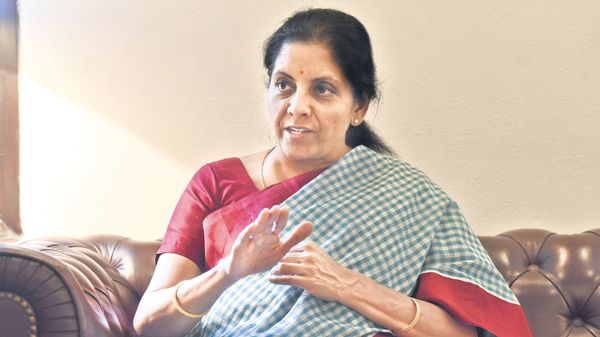
Finance Minister Nirmala Sitharaman (pictured above) said in her budget speech: “It is felt that our education system needs greater inflow of finance to attract talented teachers, innovate and build better labs”.

Please note – though FDI in education through the automatic route is already allowed, it has largely remained confined to the unregulated education technology space.

Expect innovation. Many European campuses are looking at opening special centres within Indian partner universities, rather than going it alone.

Plus greater global collaboration in delivering degrees could be a great outcome – so the student experiences both the Indian and the overseas providers.

So – here is what we are waiting for – the Centre needs to frame rules to ease both fund flow to India and institutional collaboration and how a foreign educational player investing in India will be allowed to take back money that they make in India.

Watch this space…