
Indians shaping as the big thing in Aussie tourism

Indian tourists to Australia on the rise, spending more and trending to younger

Australia is now the second highest in India for awareness, consideration and active planning for touring Australia, just below Dubai and surrounds. The “big three” for Indians are Dubai, USA and Australia.

What is exciting about the Indian traveller market is that there is an attitudinal shift – from saving to spending.

Arrivals from India for the year 2023 were at 396,000; which were on par with 2019 levels.

Indian travellers are spending more – spending A$2.2 bn on their Australia trips (an increase of 20% when compared with 2019).

In addition to the shift to spending, there is a generational shift: Indians are travelling at a much younger age.

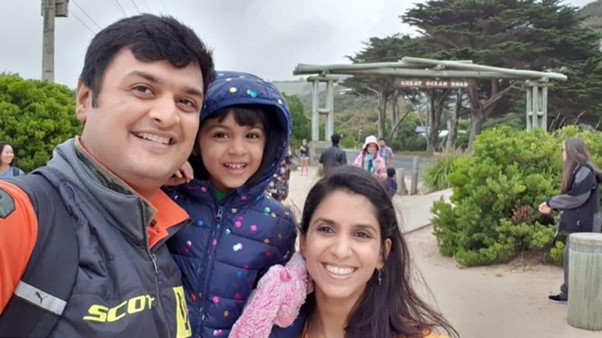
In my home state of Victoria and the city of Melbourne, India was Victoria’s second largest tourism market by value in 2019 and is the fastest growing international visitor market to return to Victoria following the reopening of Australia’s international borders.

Factors of greatest importance to Indian travellers are safety/ security, beautiful natural environments and value for money.

Seven in ten Indian travellers are aware of Australia as a holiday destination, with half considering travelling to Australia within the next four years and one in five who are actively planning their holiday.

Australia is strongly associated by Indians with world class beaches/ coastlines/ marine wildlife, having different and interesting wildlife, having a good range of accommodation, being family friendly and having good infrastructure.

That’s why our tourism organisations, Austrade and State Government trade offices are placing such focus on promoting Australian tourism.

It’s and exciting future for Australia.

Australian banker says “this is India’s century”

This is the best, strongest vote of confidence in India from one of Australia’s leading corporations.

Mark Whelan, Group Executive at ANZ: “The time is very much appropriate to grow here. If you look at the basics of the Indian economy and where its place is in the world, this is India’s century”.

Rufus Pinto, Country Head, India, Australia and New Zealand Banking Group, outlined the rapid recent growth of ANZ in India: “ANZ India started our Institutional Banking operations in 2011. 13 years of existence across three branches today with over 80 bankers supporting the top Financial Institutions; Local Large Corporates and MNC’s working together with our home markets of Australia and New Zealand, and ~30 markets in our global network providing our clients a seamless agile offering.

“ANZ in India today house almost 20% of our global workforce, with our Global Capability Centre in Bengaluru,” he said.

This is change on a grand scale for a leading Aussie company.

Yes, this is India’s century.

Time to get on board?

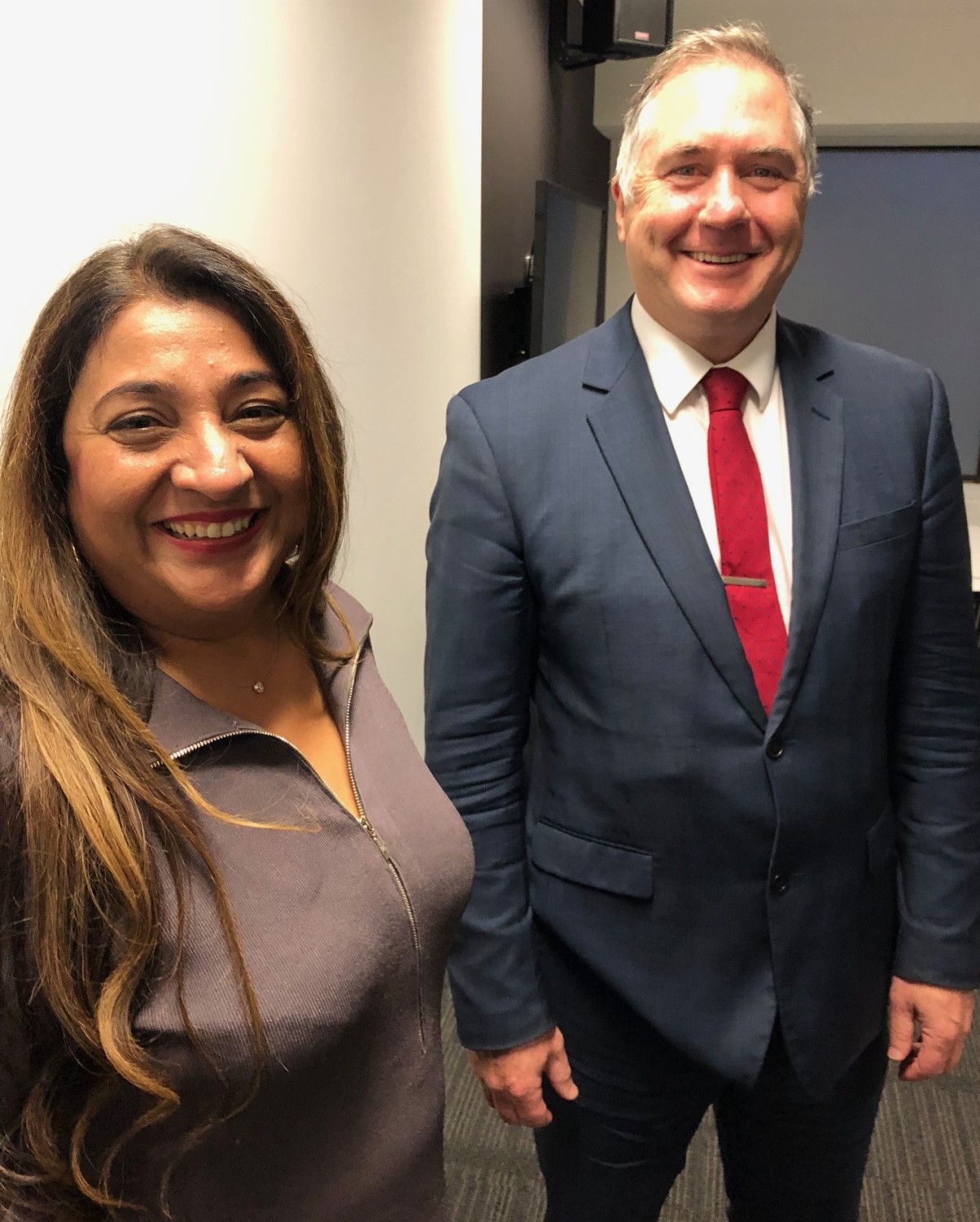
Jasmine Batra and AICC outlining a thoughtful way to enter the India market

Two organisations that advocate a “more thoughtful” way to enter the Indian market came together last week in a wonderful seminar providing some super advice.

First was the Australia India Chamber of Commerce (AICC) which hosted the event and their Chair, Chris Mooney, put the case for the chamber’s National Industry Groups doing well researched and sequenced steps to engage with India. Each group does research for a white paper, builds a community and knowledge group around it and leads to well prepared India missions.

Second was the keynote speaker, Jasmine Batra from Arrow Digital, who have a program called “The Big Leap” taking clients through a 12 month program of understanding and entering India. INTO INDIA has long advocated that slower market entry produces superior long term results – a strong alternative to the traditional Aussie hasty transactional approach. We love “The Big Leap” concept.

There are three major factors that make India today a very special market – first, the young population with an average age of 28; second, the rise of the tier 2 and 3 cities, including their specialisation, three, India’s global leadership in rolling out digital infrastructure that is transforming business and society.

Jasmine talked about importance of Food, Festivals and Family when thinking about India. “Family” includes what she called “the crazy rich” such as Tata, Ambani and many more. But it also goes right down to small community business families. Your journey will interact at all levels at some time.

Reducing risk is vital. There are three steps you can take. First, understand the cultural context. Second, do market research and find local partners. Third, network community and do due diligence.

In conclusion Jasmine Batra said you should get over there, get around and get partners. By research and regular visits, your more thoughtful engagement with India will produce results.

La Trobe University very kindly provided the venue.

CONTACT AICC

Contact Jasmine Batra

About Us

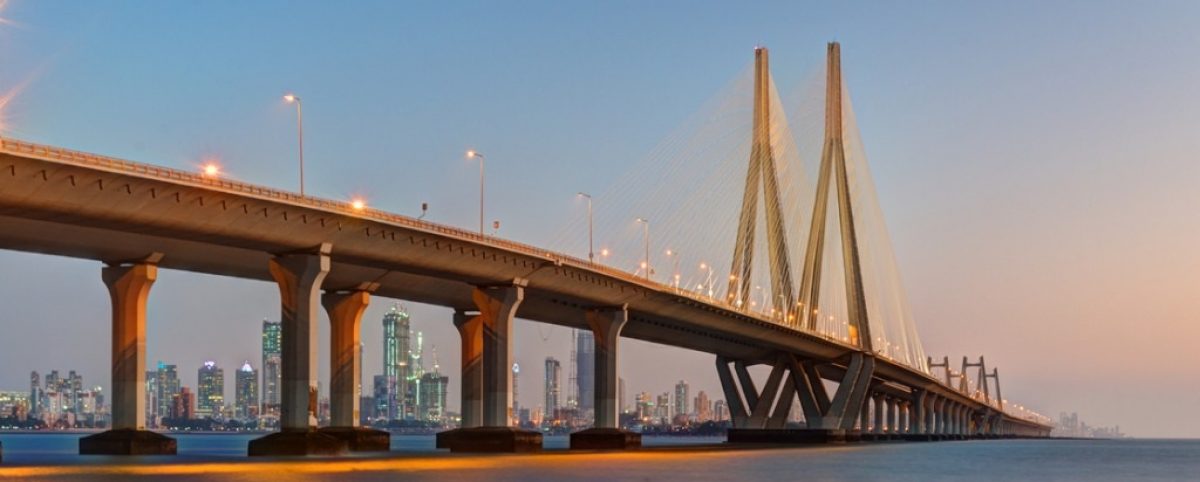
The bridge that is transforming Mumbai

The last time I went from south Mumbai to have dinner with friends in Navi Mumbai, the trip took three and a half hours – making us 90 minutes later than the expected two hour trip.

Today you can do this trip in 20 minutes.

Prime Minister Narendra Modi inaugurated the Mumbai Trans Harbour Link (MTHL), the country’s longest sea bridge, on Friday. The sea bridge connects South Mumbai to Navi Mumbai and will reduce the current two-hour journey to just around 15-20 minutes.

While inaugurating the bridge, PM Modi (who loves to paint the big picture) said, “This is proof of our resolve that for India’s development, we can take on even the ocean and break the waves.”

The 21.8-kilometre-long bridge will enhance connectivity to both Mumbai International Airport and Navi Mumbai International Airport, reducing travel time from Mumbai to Pune, Goa, and South India. Additionally, it will improve connectivity between Mumbai Port and Jawaharlal Nehru Port.

Things are changing fast in India – perhaps this is your year to find out what this might mean for you?