
India FY20-21 Union Budget

Commentary by India Avenue India Avenue Investment Management (IAIM) – a boutique investment company focused on providing investment solutions for clients in Australia and New Zealand who seek exposure to India’s growth potential through its capital markets. The India Avenue Equity Fund is managed by the team at IAIM and has a bias towards companies which are experiencing strong growth through rising local demand.

The Government of India (GoI) is currently stuck in a dilemma between managing a challenging economic environment (slow growth, rising inflation and weak tax revenues) whilst maintaining fiscal prudence. Hence it was of little surprise to us that whilst the budget continued with its infrastructure push, simplification of the personal tax regime for middle income taxpayers and improvising ease of doing business, to a large extent their hands were tied.

This is evident from the fact that the Budget off balance sheet funding has grown 8% over FY20. Having said that, we expect that spending will likely pick up significantly in FY21 (April 2020-March 2021). Below are some of the key aspects of this year’s budget.

Fiscal Deficit

GoI raised the FY20 fiscal deficit target to 3.8% of GDP from 3.3% set earlier. The fiscal deficit target for FY21 was set at 3.5% of GDP.

Disinvestment

GoI raised the divestment target to INR 2.1tn (USD 29bn), more than double the previous year’s target of INR 1.05tn (USD 15.2bn). Privatisation examples include a few big ticket SOE’s like Bharat Petroleum Corporation Limited and a stake sale via an IPO of India’s largest life insurance player, Life Insurance Corporation of India.

Taxation

A 100% tax break was offered for sovereign wealth funds for investment in infrastructure. A reduced tax rate of 15% for new power generation investment. Removal of dividend distribution tax at the hands of the company and charging it in the hands of shareholders at their individual rates (particularly beneficial to foreign companies as they are subject to a withholding tax of merely 5-10%).

Infrastructure

The GoI continues to emphasise infrastructure as its key development focus. Key areas include building 100 more airports by 2024, development of 9,000kms of economic corridors, 2,000kms of coastal roads connecting ports and 2,000 kms of strategic highways.

Measures to attract foreign capital

Proposal to increase foreign portfolio investor limits in corporate bonds from 9% to 15%. Tax exemptions for Sovereign Wealth Funds fulfilling certain conditions, for dividends, interest and long-term capital gains arising from a debt or equity investment made in India.

Our View

The slowing economy and the Government’s current constraints to spend its way out of the slowdown remains a concern. This had led to a large dichotomy in returns with investors seeking “safety” in Large cap names. Names outside the top-15 have fallen significantly and priced in this concern over the last 2 years whilst India’s mega caps reach all time high prices and valuations. We emphasise that India is a not simply a beta story, as the country rapidly changes, typical of an emerging market country. India today will look markedly different in 5 years’ time and astute investors need to be ahead of the curve to fully participate in India’s ascent to the 3rd largest economy by 2025.

indiagate

Commentary by India Avenue Investment Management (IAIM)

How Indian use of English can show cultural differences among English speaking nations

A recent headline in the Economic Times read: “India budget – what all has the Government promised”.

For western English speakers, the “what all” demonstrates a slight difference in how English is used in India. I am not saying anyone is right or wrong here, but language can remind us that although we might speak English, we think first as a westerner or an Indian or other part of Asia. Western media would say “what has the government…”

At the least it is entertaining – at most it provides cultural insights.

At functions in India you will see two signs “Veg and non-veg”. This shows how important food choices are over there.

veg

Pictured is the vegetarian Jumbo King Food outlet in Mumbai

Young Indians will often refer to non-relative individuals as “Auntie” or “Uncle” as a sign of affection.

“Timepass’ is a terrific Indian-English creation – used to describe a Bollywood movie or TV show that was just OK. How was the movie – Oh you know, timepass.

When an Indian talks about “mugging” it is generally not about thugs or criminals – it describes rote learning, memorising, cramming.

In a crowded country, “kindly adjust” is a common phrase which means “sorry about any inconvenience but there is not much I can do about it now”. Especially useful on trains.

railwaystationahmedabad

Pictured is Ahmedabad station where “kindly adjust’ comes in handy

Conversations can often include “rest is fine” which comes after a short description of what is happening in your life and “rest is fine” is an all purpose summary of the rest.

“What is your good name” is one I love – such a respectful way to ask a person’s name.

Brian Johnston recently wrote in this topic in Traveller.

He said a simple sign in a Delhi temple said “Ill manner of all kinds is intolerable”. Admonishment or observation? Intolerable, but is it tolerated?

Indians, he says, have a Shakespearean knack for new variations of words – upgradation, pin-drop silence, and “Mention not!” when you offer praise.

More – she is pulling your legs. Pay attention on. Discuss about. She’ll be knowing the answer.

How about “Don’t prepone it – do the needful!” By the way, “Prepone” is much shorter than “”Do you want to bring our meeting forward a day?” Prepone is now in the Oxford English dictionary.

Words such as hullabaloo, hoary, gallivanting, thrice and scurrilous continue to thrive in India.

Johnston says: “Indian English conforms to its own proper rules of grammar and vocabulary”.

He makes the point that English is no longer controlled by the small number who originally spoke it. Native speakers of English (450 million) are way outnumbered by non-native speakers (at least 1 billion).

In India you can order “hot hot coffee”. A travel guide might refer to the wonderful India Gate in Delhi as “big and enormous” – that is huge!

indiagate4

(I am pictured in November in front of the “big and enormous” India Gate in Delhi)

China of course has its own English, often dispensing with subjects (can or can not!) or verbs (this chilly crab delicious).

India and China both use “is it” in questions – “you are leaving now, is it?”

On the road in India is entertaining – “Horn please!” is the instruction on mountain bends and on the back of trucks. “Faster will see disaster” it a beautiful use of English as is “Always alert, accident avert”. Also – “Road is hilly, don’t be silly”

hornplease

Pictured above – colourful back end of a truck in India

My favourite is the sign off used in emails and letters – “We will revert with the necessary”. Says it all.

(Thanks in part to Brian Johnston and Traveller 1 February 2020)

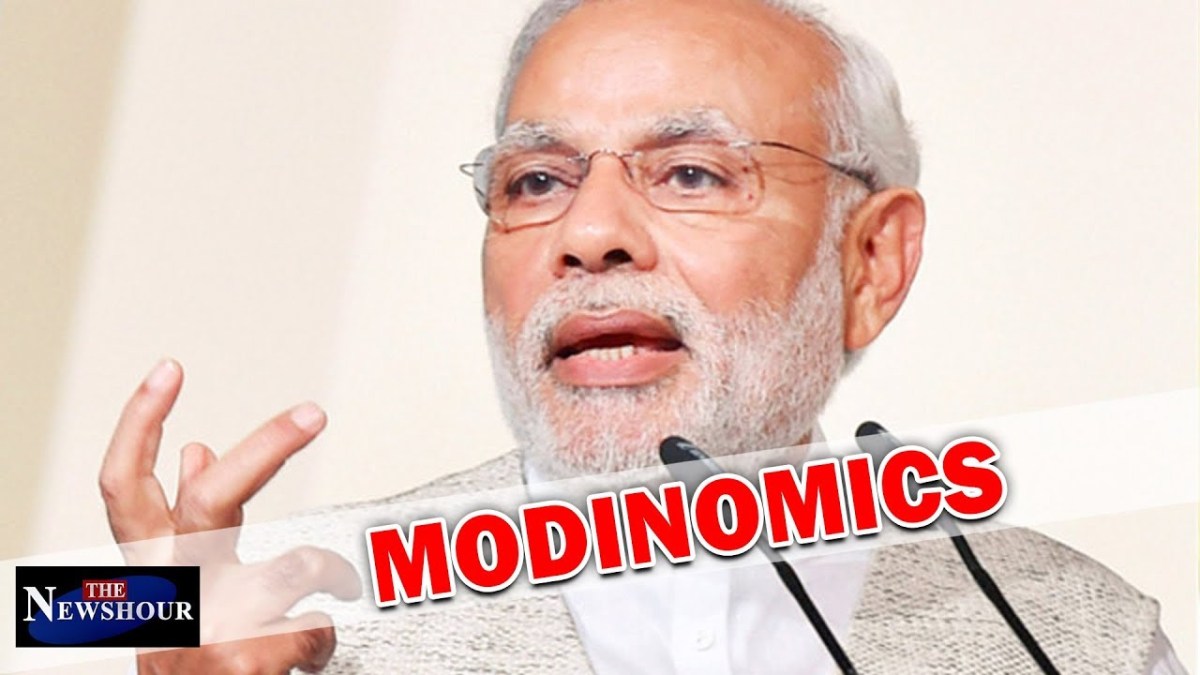
India budget revives “Modinomics”

Has “Modinomics” been given a boost by the Indian budget?

A couple of highlights from the recent Indian budget make me think the PM Narendra Modi might have found his economic mojo again.

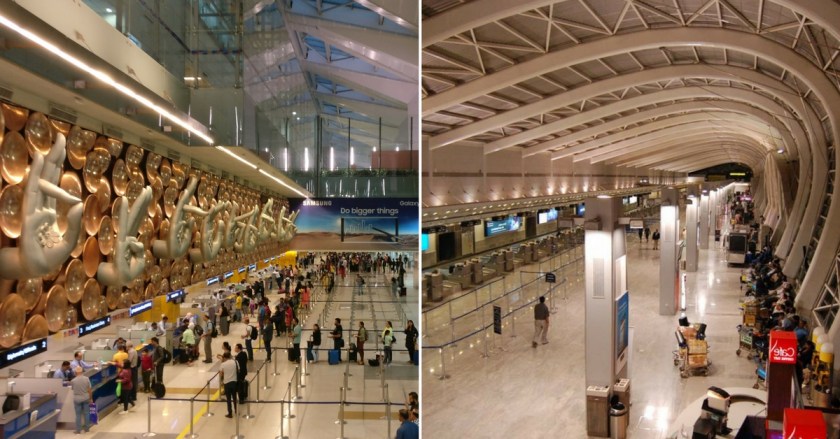
Here’s one – 100 more airports will be developed by 2024 – that is a big number!

Mumbai-Delhi airports

Pictured above – Mumbai and Delhi airports

The Union Minister for Finance & Corporate Affairs, Smt Nirmala Sitharaman, while presenting the Union Budget 2020-21 in Parliament said that infrastructure was crucial to the theme of “Economic development” and hence the Budget is dedicated to providing “Ease of Living” to all citizens.

Here’s another – Indian Sea Ports will receive funding for technology to improve their performance and the government is considering corporatizing at least one major port and subsequently listing on the stock exchanges.

seaport

Here’s a third example – a national gas grid, expanding to 27,000 km plus states to introduce “Smart Meters” plus a corporate tax rate of 15 per cent for new domestic companies generating electricity.

Just my quick take on the budget, which seems to have found the Modi economic mojo again.

Online food consumers fastest growing sector in India

In the next two years, the Indian food-tech industry is expected to reach the US$8 billion mark, according to a report by Google and Boston Consulting Group (BCG).

The food tech space has been the fastest growing e-commerce segment in terms of reach and engagement, on the back of the rapid advancement in internet adoption and continued investments on consumer trials and delivery satisfaction.

According to the report, titled ‘Demystifying the online food consumer’, the major reasons for growth in the use of online food ordering apps includes a large variety of cuisines, good discounts and convenience.

food7

It said, “In fact, once users are satisfied with the service and start becoming habitual, they become more discerning about value – this behaviour is observable independent of town, class, social status, age and gender.”

Food tech is now in more than 500 cities in India.

Mr Rachit Mathur, MD and Partner, India Lead of BCG’s Consumer & Retail Practice added, “Overall online spending in India is rising rapidly and expected to grow at 25 per cent over the next five years to reach over US$ 130 billion.

“Riding on the wave of rapid digitization and steadily growing consumption, the reach of food-tech companies has grown six times over the last couple of years and will continue to increase further.”

The report is based on feedback of about 1,500 respondents across 12 cities.

food11

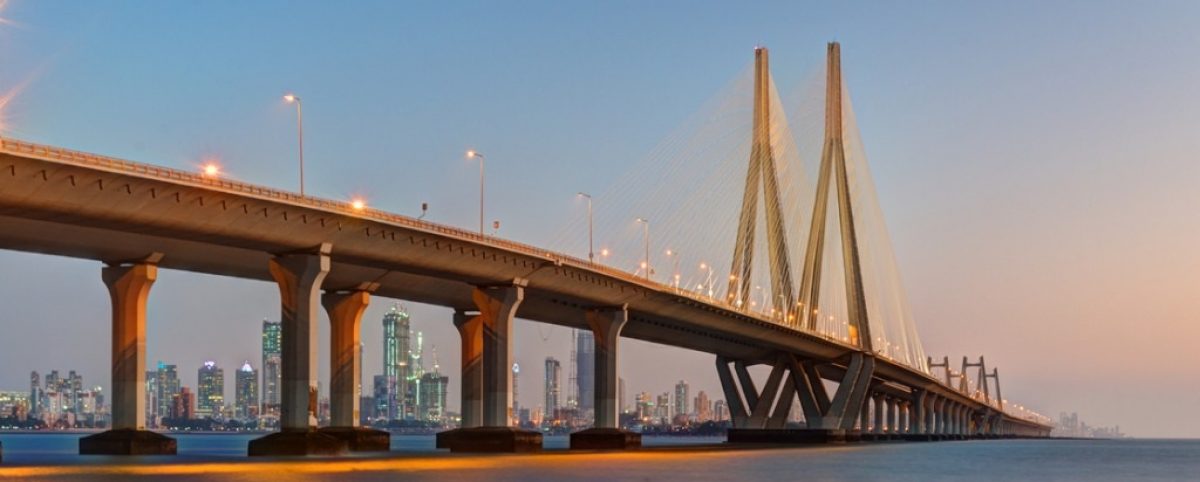
Delhi-Mumbai expressway part of transformation of Indian highways

By 2023, Indians will be able to drive on the world-class Delhi-Mumbai expressway which will also be one of India’s longest expressways. The trip is estimated at 12 hours (we almost took that long from the Taj Mahal in Agra to Delhi!)

Expressways are major projects of the Modi Government.

Modi

In the next three years, the Modi government is planning to build three of 22 expressways and green corridors. A total of 22 new expressways and green corridors will be built by FY25. This is change on a massive scale.

Once completed, the total length of the Delhi-Mumbai expressway will be 1,320 km.

How long now (before the expressway) to drive from Delhi to Mumbai?

Officials estimate at least 24 hours, but I think that is wildly optimistic.

In other words, this infrastructure upgrade will make a huge difference to India.

Why Australian schools have missed out in India and 7 steps to succeeding there

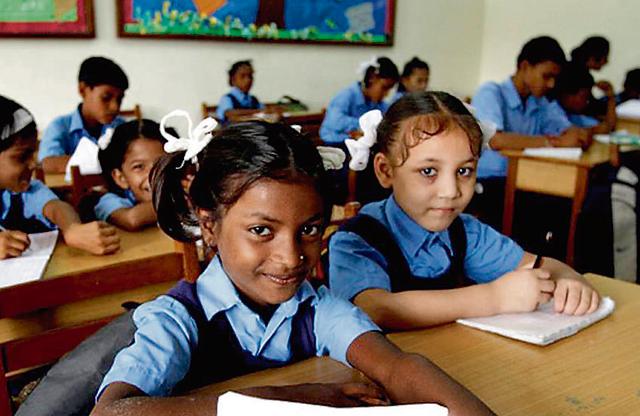
Demand for education in private international English-medium schools in India is soaring.

Despite this, few if any Australian private schools and school product providers have made inroads into India.

One of the barriers is what I call the “agency thinking” of education – just appoint lots of agents and the business will flow. Maybe – but India is a relationship country and you only become a big player through relationships, not through agency.

Indian nationals in the more expensive private international schools with fees above USD$10,000 make up 43 per cent of students. That’s high. As India’s middle class expands, this figure will also rise.

It is a great opportunity for Australian school education – our whole education system is well regarded in India.

The main international curricula offered in India are the International Baccalaureate (IB) curriculum and the Cambridge International Examinations.

Here is the bad news – no Indian schools are offering the Australian curriculum. Why not?

schools 3

I have long advocated a “partnership model” for market entry into India. I recently conducted research on “partnership and collaboration” opportunities in the horticulture sector and this is looking much more positive than simple going to India for a quick sale.

This strategy has also been endorsed in the Final Report International Opportunities for Australian School Curriculum, Assessment and Regulatory Products; Australian International Education: Enabling Growth and Innovation – NSW Education Standards Authority and Nous Group January 2019 – “Given the size and complexity of operating in India, a partnership approach could assist Australian agencies and providers in developing market opportunities.”

Australia is much more “transactional” than we like to think. That is why we have not done well in Indian schooling.

Keep in mind there are many barriers to market entry.

How do you create a “partnership model”?

  1. Of course, do your homework, which means pay for expertise to deliver real on the ground opportunities in India, which might include exchanges, curriculum, technology or some form of JV with an existing school or group
  2. Build relationships – which also means take your time, budget for the long road
  3. Look in the developing sectors, such as Smart Cities, new cities, redevelopments and the property landscape
  4. Create relationships across all areas of the education sector – governments (central and state), schools, advisors, curriculum, technology providers and more
  5. Leverage existing Australian university relationships in India
  6. Always, where you can, build a local Indian presence, because this above all else signals that you want to be a genuine long-term partner
  7. And always, where you can, build your presence through a Joint Venture with a respected Indian brand in your sector

India’s FMCG market to grow 9-10% this year

Are you an FMCG exporter? Is India part of your plan?

According to market researcher Nielsen, India’s fast-moving consumer goods (FMCG) market is expected to grow 9-10 per cent in the January-December period, matching the expansion rate in 2019.

fmcg33

There are two shifts in the Indian FMCG market – one is to branded products and the other is to online e-commerce.

A shift towards branded products has been driven by the GST.

“Following the implementation of GST (Goods and Services Tax), a lot of unorganised players have exited the market across different FMCG categories,” said Mr B Sumant, ITC executive director of FMCG. “As a result, there has been a clear shift in consumption trend from unbranded to branded products.”

fmcg66

Pictured above – the top Indian FMCG stocks

FMCGs can be divided into several different categories including:

Processed foods: Cheese products, cereals, and boxed pasta

Prepared meals: Ready-to-eat meals

Beverages: Bottled water, energy drinks, and juices

Baked goods: Cookies, croissants, and bagels

Fresh, frozen foods, and dry goods: Fruits, vegetables, frozen peas and carrots, and raisins and nuts

Medicines: Aspirin, pain relievers, and other medication that can be purchased without a prescription

Cleaning products: Baking soda, oven cleaner, and window and glass cleaner

Cosmetics and toiletries: Hair care products, concealers, toothpaste, and soap

Office supplies: Pens, pencils, and markers

Shoppers in India are leaping from buying unbranded at “mum and dad” stores to online purchasing.  

The most popular e-commerce categories, not surprisingly, are non-consumable goods—durables and entertainment-related products. The online market for buying groceries and other consumable products is growing, as companies redefine the efficiency of delivery logistics which shorten delivery times. While non-consumable categories may continue to lead consumable products in sheer volume, gains in logistics efficiency have increased the use of e-commerce channels for acquiring FMCGs.

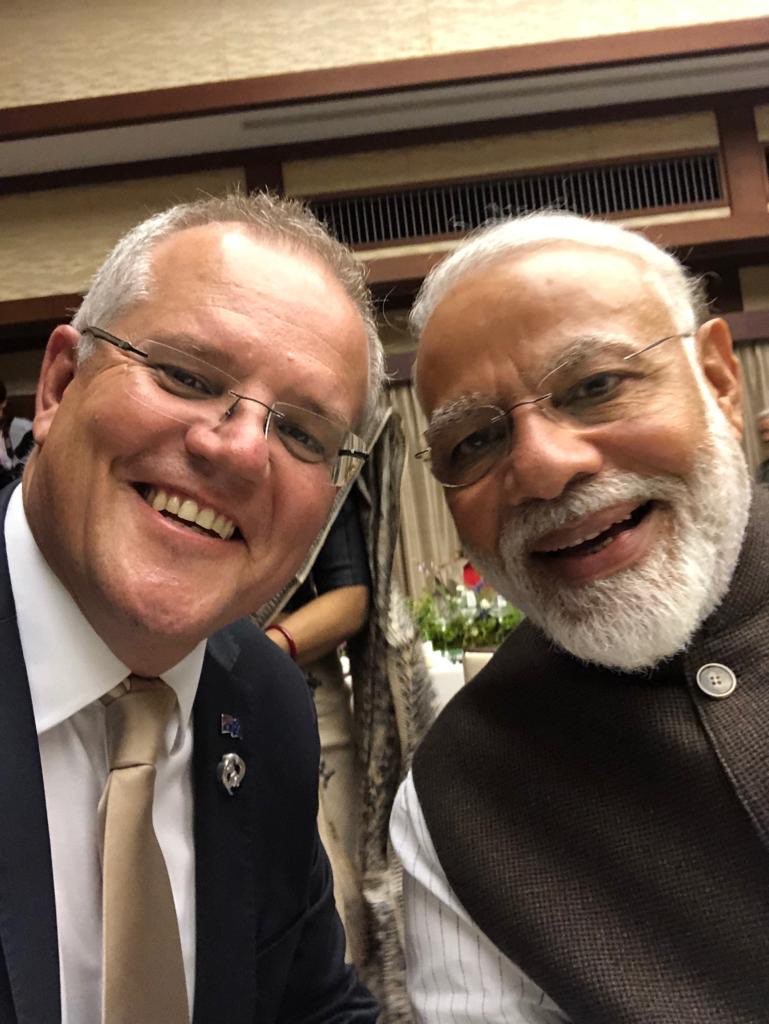
January 26 – Australia Day and India Republic Day – best wishes to both!

Australia and India have much in common – British heritage, democracy and love of the game of cricket.

But we also share a day of national celebration.

January 26 is Australia Day and India Republic Day.

Hope both countries fully enjoy their celebration and best wishes for 2020.

ModiMorrisonSmile2

Amazon is backing India to the hilt

Pictured recently in India – Amazon CEO Jeff Bezos with Amit Agarwal, senior VP & country head, Amazon India, during the Amazon Smbhav event at the Jawahar Lal Nehru stadium in New Delhi

Amazon.com Inc Founder and Chief Executive Officer Jeff Bezos said on Wednesday that his company would invest an additional $1 billion to help bring small businesses online in India, and also committed to using the retail giant’s “size, scope and scale” to export $10 billion of made-in-India goods by 2025.

amazon4

Bezos has faced some problems in India, but he is bullish and active.

Seeking to reach out to critics, Bezos, donning traditional Indian attire, said his company was committed to be a long-term partner of India.

Bezos was into India so much – “I want to make a prediction for you. I predict that the 21st century is going to be the Indian century.”

Why? “The dynamism, the energy… everywhere I go here, I meet people who are working in self-improvement and growth. This country has something special, democracy,” he said.

Bezos contradicted my recent blog (India and Russia the closest relationship on earth) – “I make one more prediction for you: In this 21st century, the most important alliance is going to be the alliance between India and the US,” Bezos added.

millennialsphones

The firm aims to digitise 10 million MSMEs with the proposed investment. In addition to providing training and enrolling MSMEs into its programmes, Amazon will help them work on cloud technology through specialised Amazon Web Services offerings at low costs. It will also establish 100 “digital haats’ in cities and villages throughout India.

Amazon has invested $5 billion in India in the past five years. The e-commerce platform also announced plans to support local neighbourhood shops and kiranas. It will expand its Amazon Easy programme.

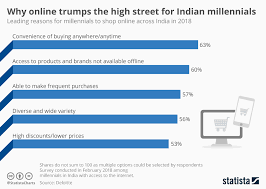
In many ways, India retail is leapfrogging from the corner store to fully online.

For those in the FMCG sector this is a pretty exciting opportunity. Time to get your India strategy right!

millennialshopping

10 reasons to look again at India in 2020

Dr Mark Morley is an Australian Trade Commissioner in India. In the last twelve months, like many of us, he has changed his view of Australia’s prospects in India. Why?

Here are 10 reasons to change – taken from his writings:

  1. Indian tourists coming to Australia has for the first time beaten the number of Aussies going to India – there were about 350,000 and each of them sees “clean and green” and innovative Australia first-hand. Plus, more than 700,000 Indians live down under.
  2. Across India, Australia has a great reputation for clean, safe and reliable supply. We are well known as a premium supplier of produce, and we have a global reputation for our quality brands.
  3. India’s ease of doing business and transparency has improved, its regional infrastructure – including roads and airports, as well as its cold chain – is improving, it now has a national GST alongside unified regulations around food importation and labelling, and a hungry entrepreneurial scene that is looking for international brands.
  4. Most importantly, and this is the game-changer for Australian FMCG producers, it has unified, national (or near national) platforms for Australian companies to connect their products with consumers. Can you believe this change? India now has a platform for Australian companies to connect their products directly with consumers.
  5. Amazon, as well as other platforms such as FlipKart and niche online marketplaces such as NetMeds, have turned the retail environment on its head.
  6. The scale and scope of the opportunity in India is now hard to ignore: Amazon India can deliver to 50% of all postcodes in India within 3 days of order, and 100% within 5 days.
  7. The Amazon platform is currently adding 200k+ Stock Keeping Units (SKU) every day, joining the 170 million SKUs already present on the site.
  8. With the cheapest mobile data accessibility in the world, 85% of Indians access online platforms via their mobile devices. This has huge implications for a market of more than 1.3b people.millennialsphones
  9. Mobile accessibility has meant that the modern retail format in India has been largely leap-frogged. Greater connectivity, greater receptivity to international brands, and greater opportunity for Australian exporters.
  10. India is a global player. But it’s not China (and that’s important for many of you with lots of eggs in the one basket). So, hasten slowly.

I would add to this list that India has 450 million millennials (those aged around 21 to 37), more than any other country and they will not live, learn, watch, listen, consume, travel, drive or behave like the previous generation.

millennialsonline

Why not start a conversation with Mark? Email  mark.morley@austrade.gov.au

austrade1