
10 reasons to look again at India in 2020

Dr Mark Morley is an Australian Trade Commissioner in India. In the last twelve months, like many of us, he has changed his view of Australia’s prospects in India. Why?

Here are 10 reasons to change – taken from his writings:

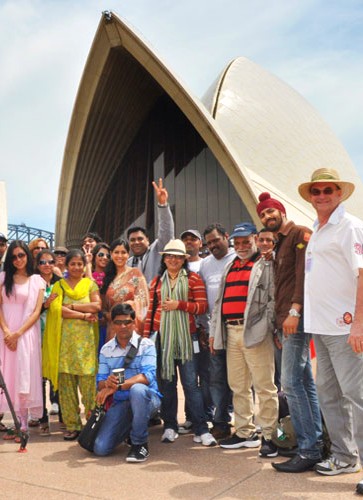
  1. Indian tourists coming to Australia has for the first time beaten the number of Aussies going to India – there were about 350,000 and each of them sees “clean and green” and innovative Australia first-hand. Plus, more than 700,000 Indians live down under.
  2. Across India, Australia has a great reputation for clean, safe and reliable supply. We are well known as a premium supplier of produce, and we have a global reputation for our quality brands.
  3. India’s ease of doing business and transparency has improved, its regional infrastructure – including roads and airports, as well as its cold chain – is improving, it now has a national GST alongside unified regulations around food importation and labelling, and a hungry entrepreneurial scene that is looking for international brands.
  4. Most importantly, and this is the game-changer for Australian FMCG producers, it has unified, national (or near national) platforms for Australian companies to connect their products with consumers. Can you believe this change? India now has a platform for Australian companies to connect their products directly with consumers.
  5. Amazon, as well as other platforms such as FlipKart and niche online marketplaces such as NetMeds, have turned the retail environment on its head.
  6. The scale and scope of the opportunity in India is now hard to ignore: Amazon India can deliver to 50% of all postcodes in India within 3 days of order, and 100% within 5 days.
  7. The Amazon platform is currently adding 200k+ Stock Keeping Units (SKU) every day, joining the 170 million SKUs already present on the site.
  8. With the cheapest mobile data accessibility in the world, 85% of Indians access online platforms via their mobile devices. This has huge implications for a market of more than 1.3b people.millennialsphones
  9. Mobile accessibility has meant that the modern retail format in India has been largely leap-frogged. Greater connectivity, greater receptivity to international brands, and greater opportunity for Australian exporters.
  10. India is a global player. But it’s not China (and that’s important for many of you with lots of eggs in the one basket). So, hasten slowly.

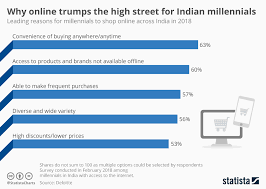
I would add to this list that India has 450 million millennials (those aged around 21 to 37), more than any other country and they will not live, learn, watch, listen, consume, travel, drive or behave like the previous generation.
millennialsonline

Why not start a conversation with Mark? Email  mark.morley@austrade.gov.au

austrade1

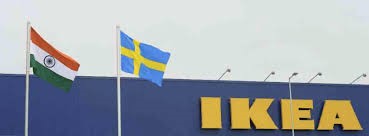
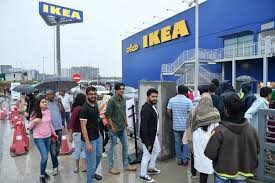
IKEA plans 3 stores for Mumbai and broader India expansion

IKEA, the Swedish home furnishing retailer, intends to open three stores in Mumbai. This would consist of a flagship store in Navi Mumbai along with two smaller outlets. The company plans to recruit around 1,000 people, mainly for the Navi Mumbai store, which is planned to open within a year.

Ms. Jaxa Gohil, Store Manager, IKEA India, said India is massively significant for IKEA globally, adding that it is witnessing the company’s biggest expansion plans among new markets. IKEA is investing €1.5 billion (Rs 117.96 billion) in India.

ikeacustomers2

IKEA has identified Mumbai, Delhi and Bengaluru as cities that have potential and opportunities.

It also intends to expand through e-commerce channels for Bengaluru and Delhi soon and has started a pilot for e-commerce in Pune.

In August, IKEA started its e-commerce channel for Mumbai and has garnered 2 million visits so far, said Ms. Gohil. E-commerce for Hyderabad was also started, where it opened its only physical store in India in 2018.

IKEA is definite about 50% of employees being women, as well as adapting the offering for India with a focus on affordability and sustainability.

As a global iconic brand, IKEA has chosen the right cities to launch into India, but could focus more on tier two cities too.

Ambani leaps into the online retail space as he transforms Reliance Industries Ltd

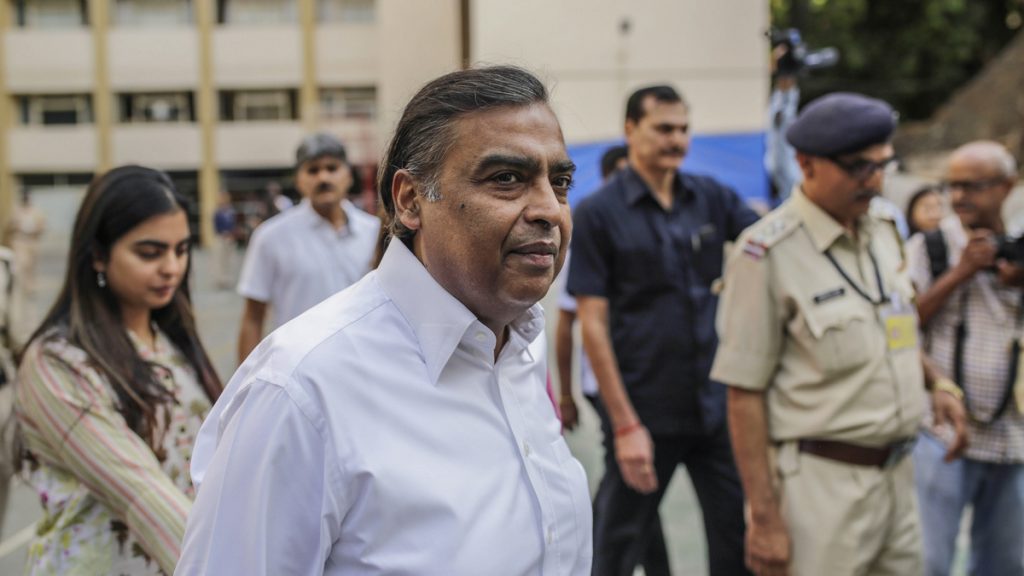
Indian billionaire Mukesh Ambani (pictured) moved a step closer to creating an e-commerce giant for India, unveiling plans to set up a $24 billion digital services holding company that would become the main vehicle in his ambition to dominate the country’s internet shopping space.

This is really hotting up as Ambani takes on Amazon and Flipkart (owned by Walmart).

The board of Ambani’s Reliance Industries Ltd. approved a proposal to place $15 billion into the fully owned subsidiary, which will in turn invest that amount in Reliance Jio Infocomm Ltd., the conglomerate’s telecommunications venture.

The move by Asia’s richest man is the latest sign of the oil-to-petrochemicals group’s pivot toward data and digital services for future growth. Ambani, 62, told shareholders in August that the new businesses, including retail, are likely to contribute half of Reliance’s earnings in a few years, versus about 32% now.

While former English teacher Jack Ma started Alibaba in 1999 from scratch, Ambani is using the heft of his empire to build something similar for India by connecting retailers and consumers.

Shares of Reliance Industries have rallied 28% this year, compared with an 8.8% gain in the benchmark S&P BSE Sensex index.

The tycoon, whose net worth is about $56 billion as per the Bloomberg Billionaires Index, has also revealed a plan to sell 20% of Reliance’s oil and chemicals business to Saudi Arabian Oil Co. at an enterprise value of $75 billion – he’s cleaning up the balance sheet and heading for a “debt free” target soon.

Watch this space!

Now India launches the worlds’ most expensive chocolate

I do love chocolate – but maybe not this much!

India’s ITC group has launched worlds’ most expensive chocolate that is priced at US$6152 per kg under its Fabelle brand name.

‘Trinity – Truffles Extraordinaire’, a limited-edition range of chocolate, that was introduced by ITC’s luxury chocolate brand Fabelle entered into Guinness World Records to become the world’s most expensive chocolate.

The chocolate is co-curated by France’s Michelin Star Chef Philippe Conticini and Fabelle’s Master Chocolatier.

fabelle3

ITC Chief Operating Officer – Chocolates, Confectionary, Coffee and New Categories – Food Division, Mr. Anuj Rustagi said, “We at Fabelle are extremely happy for setting new benchmarks not just in the Indian luxury chocolate market but also now in the world with achieving the Guinness World Records feat.”

The chocolates will be offered in a hand made wooden box that will contain 15 truffles, each weighing around 15 grams. The made-to-order box will be made available at an indulgent price of US$ 1,431 inclusive of taxes.

Place your order now!

fabelle1

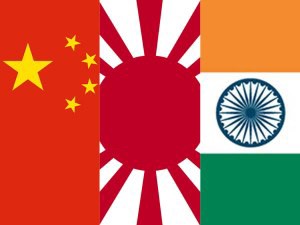
China, Japan and India – the new startup triangle

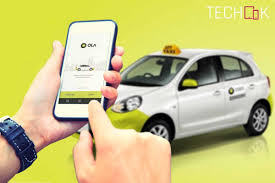
China is a major provider of funding and control of many Indian startups. In 2015, Alibaba invested in Paytm through its affiliate Ant Financial. In 2017, Tencent took major stakes in Flipkart and Ola.

ola

Japan is also a serious provider of funding in India. Japanese giant Softbank has invested over US$8B in startups in the country, with a goal of $10B by 2024 that now looks surprisingly conservative.

As a result of this “triangle”, India is currently home to 26 startups valued over US$1B.

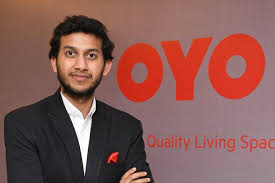
Oyo Hotels and Homes is raising US$1.5 billion from founder Ritesh Agarwal, SoftBank Group Corp., and other investors as it expands into foreign markets such as the U.S. and Europe.

agarwal

Agarwal, 25, will spend $700 million to buy new shares in the company.

Indian edtech startup CollegeDekho, which helps students connect with prospective colleges and keep track of exams, has raised US$8 million in a Series B round.

Last October, Indian e-commerce startup Snapdeal raised US$627 million at a valuation of over $2 billion. In the same month, India’s Uber-style taxi service, Olaraised $210 million, while being valued at over $1 billion in under three years.

snapdeal

India’s largest online retailer and version of Amazon is Flipkart which recently raised another US$700 million at over a $11 billion valuation.

India’s online restaurant guide, Zomato, recently bought US-based Urbanspoon for over $50 million—one of the largest acquisitions by an Indian startup.

zomato

India’s Silicon Valley – Both Koramangala in Bangalore and Hiranandani Powai (pictured below) in Mumbai – are becoming thriving ecosystems to nurture startups in India.

hirandani

Things are changing in modern India – and the “triangle” of India, China and Japan is playing a big role in the change.

 Time to look again?

Indian middle-class consumers are spending big this festive season and online shopping is booming

India’s e-Commerce major Flipkart set record sales in the “Big Billion Days” launch of festival season online sales (Navrati and Diwali are in October).

Both e-commerce majors Flipkart and Amazon India had record transactions on their platforms on the first day of their annual festive sale, which started early on Sunday.

Flipkart is now owned by American retail major Walmart.

ethnicwear

Flipkart had demand in all major categories, including beauty, women’s ethnic wear, kidswear, sports, fast-moving consumer goods, baby care, private labels, and furniture on the first day of the sale.

High end phones are in demand – Amazon had big sales in premium smartphone brands OnePlus (pictured), Samsung, and Apple. Large appliances and televisions showed growth.

oneplus

The company said the largest number of new customers shopped for fashion, daily essentials, and consumables.

For Flipkart, travel was also the fastest-growing category which saw 12X growth over last year.

tourists 4

Also, over 2.3 million consumers engaged with games on the platform. There were close to 10 million new app downloads in less than a month in the run-up to BBD 2019.

AAAdiwali_11

Candles of the Diwali celebrations coming up on 27 October – a time of gift giving and family gatherings similar in scale to Christmas

Steve’s 7 tips for exporting to India’s middle class

  1. Find the affluent millennials

India is home to the world’s largest population of millennials—typically defined as those aged 18-35. At 450 million, these millennials are influencing the way Indians eat, shop, commute and buy, much like their global counterparts. They are the first upwardly mobile group in recent history of India – and will have an impact very like the way western baby boomers changed most things.

According to Santosh Desai, managing director of Indian Brand Advisory Group Futurebrands, Indians used to be “born something” but now can “become something”.

2. Drill down to the real middle-class market

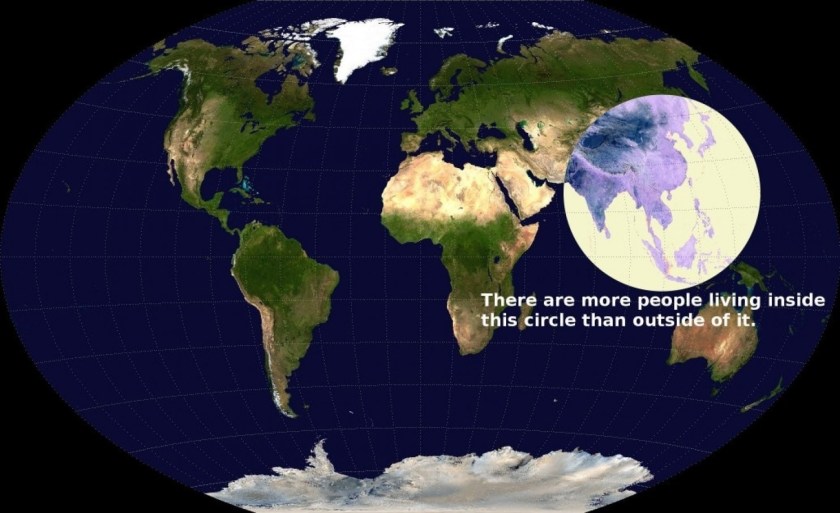
We know India has 1.3 billion people, but if you think too much about this you will get nowhere. Drill down to find your market.

asiamap8circle

For example, some estimate the “middle class” as high as 300 million. For me, this is way too high. Austrade takes a dimmer view – it estimates that there are approximately 30 – 80 million people in our target demographic, many of whom live outside Tier 1 cities. That’s a big range from 30 to 80, which shows that we just do not know. But for me Austrade’s numbers are too low.

Austrade looks for consumers that:

  1. can afford international travel to destinations like Australia;
  2. can afford to send their children for study abroad; and
  3. can afford to eat at high-end restaurants and hotels or eat significant amounts of imported food and wine at home

3. Think of India as many markets

Thinking of India as “one market” will slow down your impact and waste your marketing efforts. First, there is the divide between north, south, east and west. Then there are big metropolises (8-10) and hundreds of tier one cities (around one million plus). Then there are over 26 different languages, multiple food cultures, differing beliefs and interests. It is complex, so build that into your “many markets” strategy.

4. Consumerism is changing in India

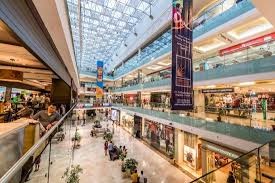
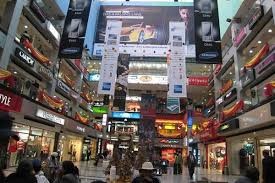
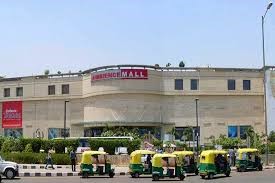
India had just 9 Shopping Malls in 2007. There are over 350 Shopping Malls in 2019. Plus 85 new Shopping Malls will be built in the next 5 years = 435 Shopping Malls in 2025.

ambience7

Add to this that online retail is taking off, with Amazon and the local Flipkart leading the way.

Dr Mark Morley Trade Commissioner India Government of Australia makes a key point about opportunities for us: “Australia is well positioned with the Indian consumer. Across India, we have a great reputation for clean, safe and reliable supply. We are well known as a premium supplier of produce, and we have a global reputation for our quality brands.”

5. Thinking local is a good way to start

Especially for those in food, beverages, education and fashion, your beginnings for India can start right here in Australia.

About 650,000 Australians claim Indian ancestry, and we have over 65,000 Indian students here, which means a significant local market spending money. Add to that the growth in Indian tourists – up to over 300,000 per year and growing at around 15%. This gives you a good market testing opportunity.

6. Collaboration is the new relationship

If you just want to “sell” to India, sharpen your pencil and think short term – sooner rather than later, India will find an alternative to you.

To be in India for the long term, seek genuine opportunities to collaborate with Indians – once you and Indian collaborators are working together, your future is more secure. This is how Indians prefer to operate, so drop “transactional” thinking and focus on “collaboration” – it is the new relationship.

7. Give India the time it needs

Cultures based on relationship (collaboration) are slower to move, so give India at least three years. You might “sell” sooner, but for most this is a very short-term market entry approach.

My “shopping mall index” shows you must revisit India for consumers

India had just 9 Shopping Malls in 2007.

There are over 350 Shopping Malls in 2019.

Plus 85 new Shopping Malls will be built in the next 5 years = 435 Shopping Malls in 2025.

ambience6

That’s my “shopping mall index” That’s why you should revisit India.

India today is a heady mix of three powerful elements – an appetite and reality of rapid change, a young population and the Governments now have funds to spend.

Add to this that online retail is taking off, with Amazon and the local Flipkart leading the way.

mall3

Dr Mark Morley Trade Commissioner India Government of Australia makes a key point about opportunities for us: “Australia is well positioned with the Indian consumer. Across India, we have a great reputation for clean, safe and reliable supply. We are well known as a premium supplier of produce, and we have a global reputation for our quality brands.”

One challenge for Australian businesses is to fully understand the market – and the answer is that hardly anyone knows what size the market is.

We know there are 1.3 billion people.

Within that, some estimate the “middle class” as high as 300 million.

Austrade takes a dimmer view – it estimates that there are approximately 30 – 80 million people in our target demographic, many of whom live outside Tier 1 cities. Thats a big range from 30 to 80, which shows that we just do not know. Austrade looks for consumers that:

  1. can afford international travel to destinations like Australia;
  2. can afford to send their children for study abroad; and
  3. can afford to eat at high-end restaurants and hotels, or eat significant amounts of imported food and wine at home.

The point is, we need more and better data.

But my “shopping mall index” should give you a reason to revisit.

And if you act soon but take a long term view, now is the time to start.

Uniqlo to open first Indian store in Delhi

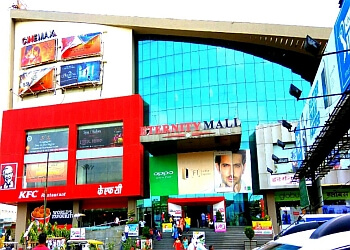
Further evidence of rapid change in retail in India – On 4th October 2019, Japanese apparel retailer “Uniqlo” will open its first store in Delhi and as a part of its strategic roll-out plan, it will open three stores in the Delhi-NCR region by end of 2019.

ambience6

Ambience Mall, Vasant Kunj

The government has further improved sourcing patterns for the international companies that enter India through its single brand retail route.

ambience7

Mr. Tomohiko Sei, Chief Executive Officer, Uniqlo India, said, “We are very excited to announce the opening date today. We look forward to formally opening our doors to the Indian customers and offering Uniqlo’s high quality, highly functional apparel that we call LifeWear starting from Delhi at Ambience Mall, Vasant Kunj.”

ambience9

The 4 paradoxes of doing business with India

Slow and Fast

We think you need to commit three years to building business in India – but when you first go be ready for anything because demand can be instant. Or not. A careful understanding of the market and assessment of whether it is right for you is essential.

Price and Relationship

We know Indians chase a bargain. But price alone is not enough for longevity in India – you need to build relationships. I would build the relationship first, because anyone can undercut your price.

Status and Money

Status in a hierarchical society such as India is paramount. But now so is money. Making it. Showing it. If your product combines status and money it is a good fit. When there, be careful to fully respect the status of whoever you are dealing with.

“India” and “Many Indias”

India is not one market – it combines many languages and cultures, with people in one part of the country not even being able to understand people in another part. We begin by understanding the regional differences between north, south, east and west – but this is only the beginning of drilling deep to know who you are dealing with and who you are targeting. Beware someone who promises to take you “across India” in one major campaign.

Step one is to get some good market research – the only safe and sound beginning. Add to that some cross-cultural training.

Time, knowledge and patience are the keys.

Steve1

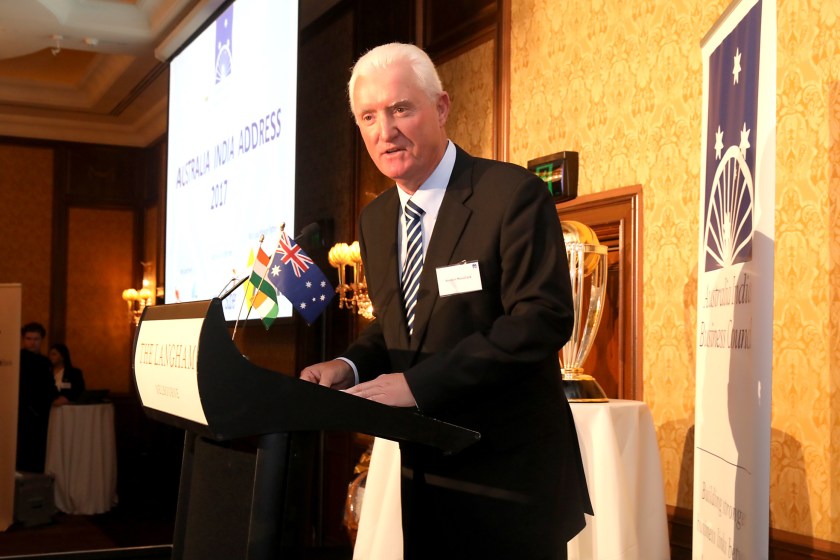
Stephen Manallack speaking at Australia India Business Council function