India’s diversity means agreement can be a rare thing, even on the Vada Pav

A recent discussion with a group of young Indians was a great insight into the diversity of India.

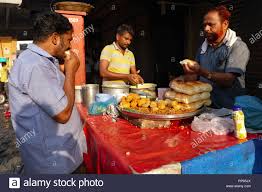
I had asked the group what is in a Vada Pav (Mumbai’s favourite street food)?  Generally Vada Pav contains spicy potato filling, in a cut bun with layers of spicy garlic and green chutney. By the way, it is delicious!

vada pav7

One in the group did not think it had potato, Another member thought is was based on chick peas. Then the discussion went on. Finally, there was a happy confusion about Vada Pav.

This is India. Often you find there is no common understanding on what seem fairly simple things. Ask a group to tell you what a “crore” or a “lakh” is and pretty soon your head will be spinning.

Why does this happen?

It is not India, but many Indias. This is not one country – this is a country of countries. There are so many Indias and common understandings across the whole country are rare.

Major festivals often have different names or slightly different spelling of names, depending on where you are.

This is diversity and needs to be understood if you are to succeed there. India manages to stay together but it really is an amalgamation of ethnicity, culture and over 26 major languages.

Investigating culture pays off. Underestimating cultural difference can be the beginning of the end for your project.

Ready?

Indian middle-class consumers are spending big this festive season and online shopping is booming

India’s e-Commerce major Flipkart set record sales in the “Big Billion Days” launch of festival season online sales (Navrati and Diwali are in October).

Both e-commerce majors Flipkart and Amazon India had record transactions on their platforms on the first day of their annual festive sale, which started early on Sunday.

Flipkart is now owned by American retail major Walmart.

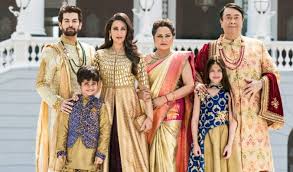
ethnicwear

Flipkart had demand in all major categories, including beauty, women’s ethnic wear, kidswear, sports, fast-moving consumer goods, baby care, private labels, and furniture on the first day of the sale.

High end phones are in demand – Amazon had big sales in premium smartphone brands OnePlus (pictured), Samsung, and Apple. Large appliances and televisions showed growth.

oneplus

The company said the largest number of new customers shopped for fashion, daily essentials, and consumables.

For Flipkart, travel was also the fastest-growing category which saw 12X growth over last year.

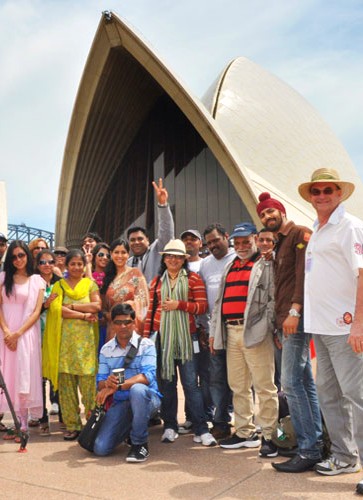
tourists 4

Also, over 2.3 million consumers engaged with games on the platform. There were close to 10 million new app downloads in less than a month in the run-up to BBD 2019.

AAAdiwali_11

Candles of the Diwali celebrations coming up on 27 October – a time of gift giving and family gatherings similar in scale to Christmas

Steve’s 7 tips for exporting to India’s middle class

  1. Find the affluent millennials

India is home to the world’s largest population of millennials—typically defined as those aged 18-35. At 450 million, these millennials are influencing the way Indians eat, shop, commute and buy, much like their global counterparts. They are the first upwardly mobile group in recent history of India – and will have an impact very like the way western baby boomers changed most things.

According to Santosh Desai, managing director of Indian Brand Advisory Group Futurebrands, Indians used to be “born something” but now can “become something”.

2. Drill down to the real middle-class market

We know India has 1.3 billion people, but if you think too much about this you will get nowhere. Drill down to find your market.
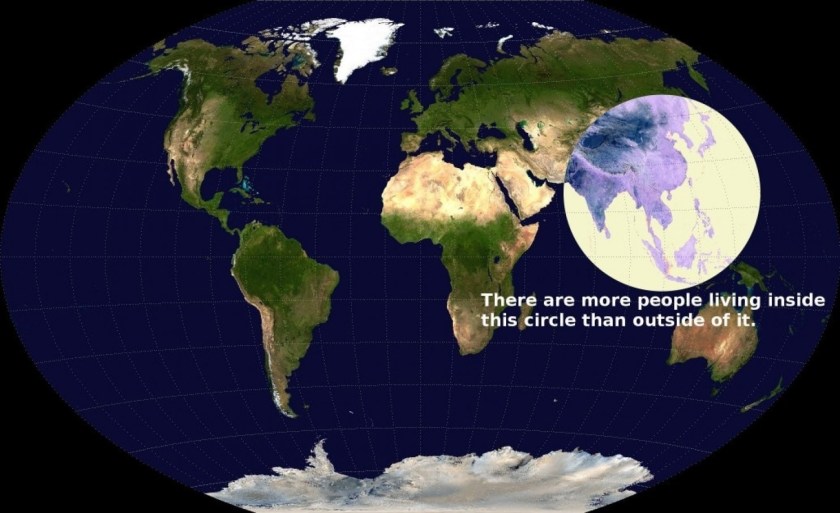
asiamap8circle

For example, some estimate the “middle class” as high as 300 million. For me, this is way too high. Austrade takes a dimmer view – it estimates that there are approximately 30 – 80 million people in our target demographic, many of whom live outside Tier 1 cities. That’s a big range from 30 to 80, which shows that we just do not know. But for me Austrade’s numbers are too low.

Austrade looks for consumers that:

  1. can afford international travel to destinations like Australia;
  2. can afford to send their children for study abroad; and
  3. can afford to eat at high-end restaurants and hotels or eat significant amounts of imported food and wine at home

3. Think of India as many markets

Thinking of India as “one market” will slow down your impact and waste your marketing efforts. First, there is the divide between north, south, east and west. Then there are big metropolises (8-10) and hundreds of tier one cities (around one million plus). Then there are over 26 different languages, multiple food cultures, differing beliefs and interests. It is complex, so build that into your “many markets” strategy.

4. Consumerism is changing in India

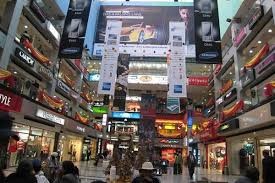
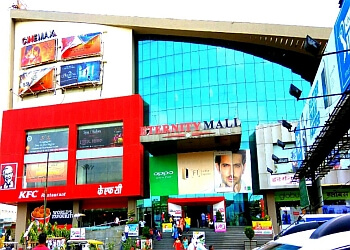
India had just 9 Shopping Malls in 2007. There are over 350 Shopping Malls in 2019. Plus 85 new Shopping Malls will be built in the next 5 years = 435 Shopping Malls in 2025.

ambience7

Add to this that online retail is taking off, with Amazon and the local Flipkart leading the way.

Dr Mark Morley Trade Commissioner India Government of Australia makes a key point about opportunities for us: “Australia is well positioned with the Indian consumer. Across India, we have a great reputation for clean, safe and reliable supply. We are well known as a premium supplier of produce, and we have a global reputation for our quality brands.”

5. Thinking local is a good way to start

Especially for those in food, beverages, education and fashion, your beginnings for India can start right here in Australia.

About 650,000 Australians claim Indian ancestry, and we have over 65,000 Indian students here, which means a significant local market spending money. Add to that the growth in Indian tourists – up to over 300,000 per year and growing at around 15%. This gives you a good market testing opportunity.

6. Collaboration is the new relationship

If you just want to “sell” to India, sharpen your pencil and think short term – sooner rather than later, India will find an alternative to you.

To be in India for the long term, seek genuine opportunities to collaborate with Indians – once you and Indian collaborators are working together, your future is more secure. This is how Indians prefer to operate, so drop “transactional” thinking and focus on “collaboration” – it is the new relationship.

7. Give India the time it needs

Cultures based on relationship (collaboration) are slower to move, so give India at least three years. You might “sell” sooner, but for most this is a very short-term market entry approach.

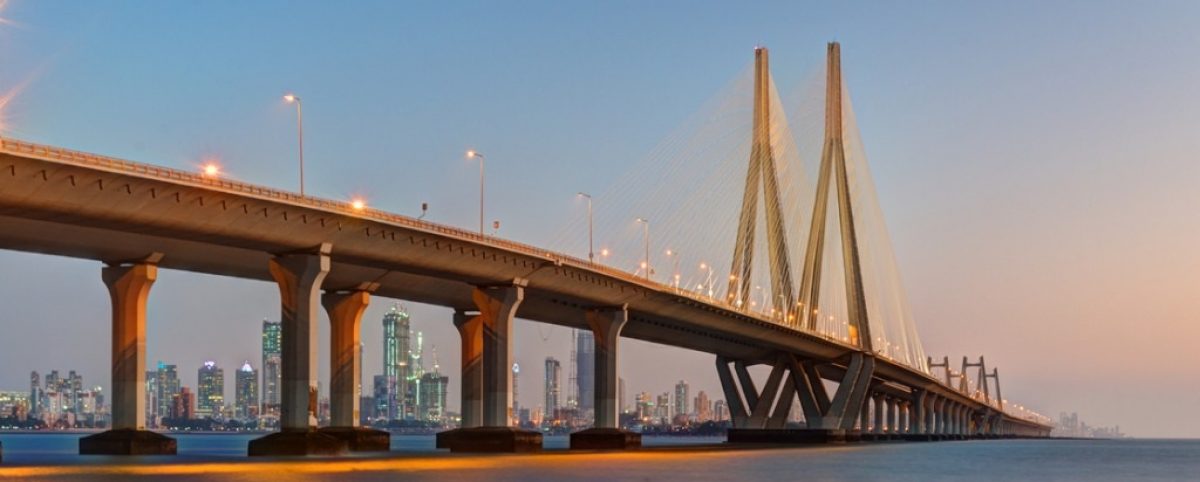
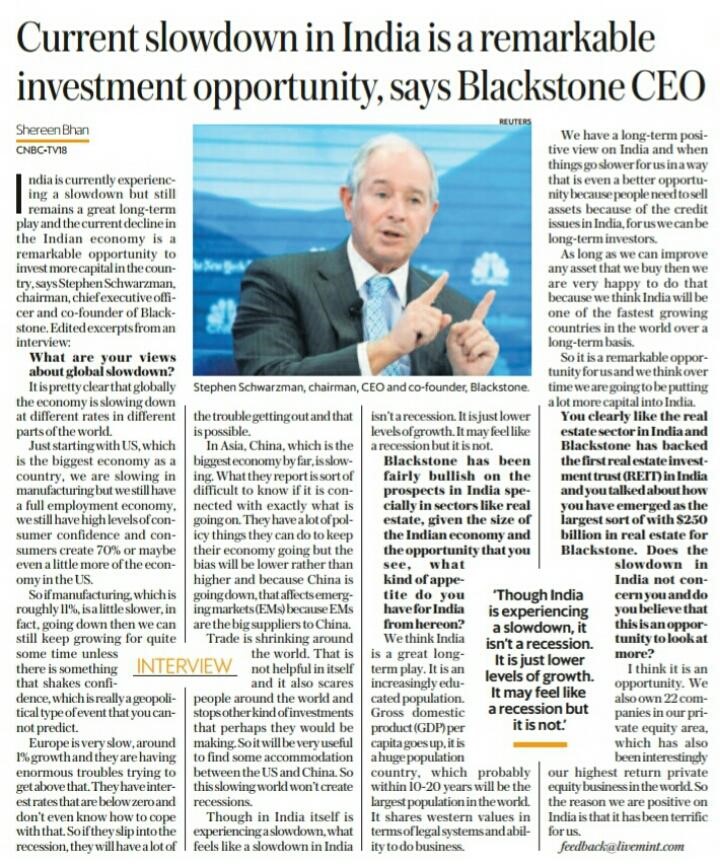
Blackstone keen on India investments and sees slowdown as short term

Blackstone has been investing in India for some time – and it sees the current “slow down” as only short term and also “an opportunity”.

The reality is that Blackstone – having been a serious investor in India – has reaped great rewards from being part of the India growth story.

blackstone5

My “shopping mall index” shows you must revisit India for consumers

India had just 9 Shopping Malls in 2007.

There are over 350 Shopping Malls in 2019.

Plus 85 new Shopping Malls will be built in the next 5 years = 435 Shopping Malls in 2025.

ambience6

That’s my “shopping mall index” That’s why you should revisit India.

India today is a heady mix of three powerful elements – an appetite and reality of rapid change, a young population and the Governments now have funds to spend.

Add to this that online retail is taking off, with Amazon and the local Flipkart leading the way.

mall3

Dr Mark Morley Trade Commissioner India Government of Australia makes a key point about opportunities for us: “Australia is well positioned with the Indian consumer. Across India, we have a great reputation for clean, safe and reliable supply. We are well known as a premium supplier of produce, and we have a global reputation for our quality brands.”

One challenge for Australian businesses is to fully understand the market – and the answer is that hardly anyone knows what size the market is.

We know there are 1.3 billion people.

Within that, some estimate the “middle class” as high as 300 million.

Austrade takes a dimmer view – it estimates that there are approximately 30 – 80 million people in our target demographic, many of whom live outside Tier 1 cities. Thats a big range from 30 to 80, which shows that we just do not know. Austrade looks for consumers that:

  1. can afford international travel to destinations like Australia;
  2. can afford to send their children for study abroad; and
  3. can afford to eat at high-end restaurants and hotels, or eat significant amounts of imported food and wine at home.

The point is, we need more and better data.

But my “shopping mall index” should give you a reason to revisit.

And if you act soon but take a long term view, now is the time to start.

Uniqlo to open first Indian store in Delhi

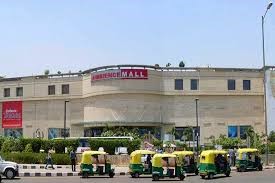
Further evidence of rapid change in retail in India – On 4th October 2019, Japanese apparel retailer “Uniqlo” will open its first store in Delhi and as a part of its strategic roll-out plan, it will open three stores in the Delhi-NCR region by end of 2019.

ambience6

Ambience Mall, Vasant Kunj

The government has further improved sourcing patterns for the international companies that enter India through its single brand retail route.

ambience7

Mr. Tomohiko Sei, Chief Executive Officer, Uniqlo India, said, “We are very excited to announce the opening date today. We look forward to formally opening our doors to the Indian customers and offering Uniqlo’s high quality, highly functional apparel that we call LifeWear starting from Delhi at Ambience Mall, Vasant Kunj.”

ambience9

“Small talk” – essential skill if you want to be in global trade

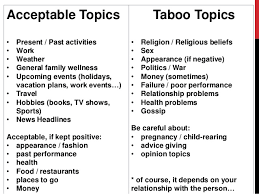
Many people are uncomfortable with “small talk”, the so-called relaxed chat that happens when we meet and prior to the real discussion. But it is an essential business tool for global trade. See where you fit:

1. Does small talk feel a bit strange and personal?

You might rather sit in the corner and keep quiet – but walking around the room and chatting is a vital negotiation step – it begins the relationship building. MY TIP – prior to any major trade meetings, take an hour to visit some major memorial, new centre, historic building or tourism stand out. There’s your topic of small talk!

smalltalk3

2. But small talk is superficial

Yes, you are right, it is superficial. But the paradox is it is also important. it is about connecting, about seeing how the other person operates, and finally it is about trying to make others feel comfortable. MY TIP – think less about yourself and more about the other person. They might be nervous about small talk too.

3. How do you know what to talk about?

It’s not as hard as you might think – the weather, the last week at work, some family happening, the wonderful meal you had yesterday, what is coming up next week. MY TIP – an easy way to participate in small talk is to ask questions – how has your week been?

4. Small talk is a waste of time

Small talk feels like a waste of time but it is one step towards building relationship. If you make the other person feel relaxed, engaged and interested, they will feel grateful. MY TIP – don’t be too serious, laugh as you say things, keep it lighthearted.

5. Can small talk be risky?

If you keep it light, smile, make eye contact, offer some friendly insight into your world, there is no risk. But if the small talk suddenly shifts to the major topic of the day (before the real discussions have started) then be cautious. MY TIP sometimes you just have to back away. It is not the time for serious stuff.

6. But how do you end the small talk?

Everyone in a crowded room knows that you cannot and should not spend the whole evening with them, so once there has been enough small talk, you should move on and start again with someone else. It’s called “working the room”. MY TIP with a big smile and friendly face just say “really good talking to you and I hope we catch up later on”. Easy.

Thanks to Dr Andy Molinsky for some of the above.

smalltalk6

Australia will relate better to Asia by removing the “bamboo ceiling”

Former Labor Government Minister and current Chancellor of the Australian National University – Gareth Evans – has raised an important challenge for Australia that is too often swept under the carpet.

Australia’s “bamboo ceiling” keeps Asian Australians out of top positions.

Here is the view of Gareth Evans:

“The “bamboo ceiling” in Australia is real. Asian-Australians now comprise up 12 per cent of our total population but hold only around 3 per cent of senior leadership positions in our public institutions and ASX 200 companies. They have been an under-appreciated and under-utilised national resource for far too long.”

tourists3

Gareth Evans sums it up so well:

“The bamboo ceiling is an issue on which we have ducked and weaved and dithered for too many years. The Asian century is off and running and we have in our midst a fantastic community resource with which to take maximum advantage of all the opportunities it offers.”

Well said.

And my view?

fairgo

Removing the “bamboo ceiling” would reduce Australia’s anxiety and uncertainty over Asia – it would allow Australia to play a big role in the “Asian Century”.

One third of the world’s population lives on our doorstep – and they are on the rise as economies and powers.

By getting our own house in order – removing the “bamboo ceiling” – we can live positively and well in the world’s most exciting region.

China and India are our biggest source of migrants – let’s give them every opportunity.

Fair go, Australia!

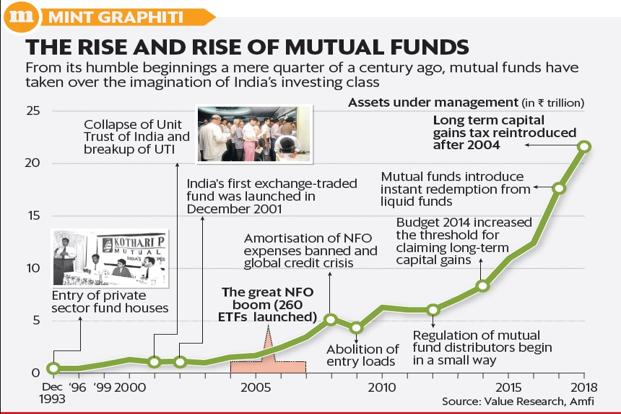
Mutual Funds continue robust growth in India

The Indian Mutual Funds’ asset base increased to US$364.4 billion in August, a rise of 4 per cent as compared with the preceding month, on the back of robust inflows in equity and liquid schemes. There are 44 mutual funds in India, according to data from the Association of Mutual Funds in India (AMFI).

Mutual fund houses witnessed an overall inflow of US$14.59 billion last month – fund managers attributed growth in the asset base to higher retail participation and robust inflows in equity schemes and liquid funds.

mutual

Retail investor interest in equity mutual funds, for the fourth time in succession, continues to be steady, displaying maturity, despite uncertain economic and volatile market situation.

The 4 paradoxes of doing business with India

Slow and Fast

We think you need to commit three years to building business in India – but when you first go be ready for anything because demand can be instant. Or not. A careful understanding of the market and assessment of whether it is right for you is essential.

Price and Relationship

We know Indians chase a bargain. But price alone is not enough for longevity in India – you need to build relationships. I would build the relationship first, because anyone can undercut your price.

Status and Money

Status in a hierarchical society such as India is paramount. But now so is money. Making it. Showing it. If your product combines status and money it is a good fit. When there, be careful to fully respect the status of whoever you are dealing with.

“India” and “Many Indias”

India is not one market – it combines many languages and cultures, with people in one part of the country not even being able to understand people in another part. We begin by understanding the regional differences between north, south, east and west – but this is only the beginning of drilling deep to know who you are dealing with and who you are targeting. Beware someone who promises to take you “across India” in one major campaign.

Step one is to get some good market research – the only safe and sound beginning. Add to that some cross-cultural training.

Time, knowledge and patience are the keys.

Steve1

Stephen Manallack speaking at Australia India Business Council function