
It’s complicated.
Mainly because of the rise of protectionism worldwide.
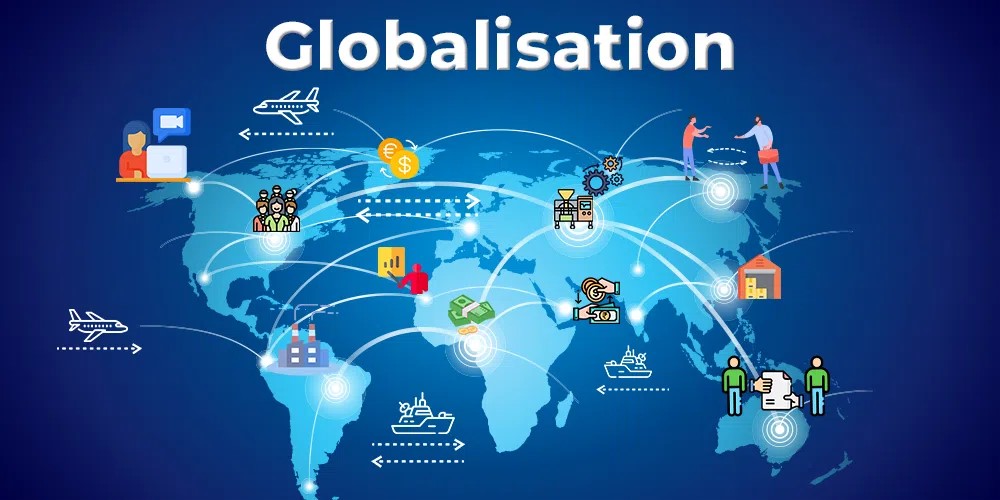
The Chinese miracle rode on the wave of globalization that began around 1980 and lasted until the 2008 global financial market crisis.
Globalization has come under severe stress lately, according to Amit Kumar, a research analyst with the Takshashila Institution’s Indo-Pacific studies program.
Weaponizing trade has left nations increasingly wary of economic coercion.
Self-sufficiency in some form or other is back in fashion. PM Modi is super keen on self-sufficiency for India.
If globalisation is too restricted, India’s ambitions might be thwarted. India could well have shot itself in the foot here, with it’s own anti-globalism and scepticism on international trade deals.
Gains for India will however be derived from the ongoing de-risking and “China plus one” strategies.
India – unlike China during its growth – faces tough competition from Vietnam, Thailand and Malaysia. India attracted 15% of European investment diversifying away from China, but it fell behind ASEAN, which attracted 21% of the rerouted investments.
India is also lagging on ease of doing business. INTO INDIA has praised India’s progress, but must admit that it is now too slow. Ease of doing business has to leap ahead.
India currently contributes 16% of the global economic growth, as opposed to China’s 34%. The IMF predicts India’s share to rise to 18% in the next five years.
As China witnesses a decline in its share owing to its economic slowdown, we are led to conclude that India should emerge as the leading engine of growth.
With one reservation – “Ease of doing business’ could be the key.

 Into India