What’s in a name? Is it “India” or “Bharat”?

What’s in a name? India or Bharat?

Many commentators believe Indian PM Modi will bring on a change of India’s name to Bharat. INTO INDIA thinks this most unlikely.

Modi will win either way, vote or no.

PM Modi will, in a very Indian way, continue to use the two names side by side.

You see, things do not have to be resolved in India – and both sides can have their day. Ambiguity and paradox are part of Indian culture.

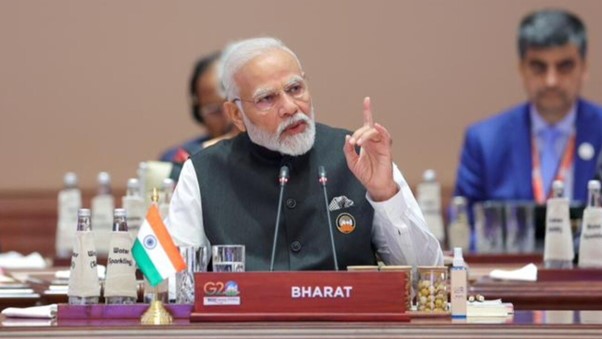
“Bharat” is the Hindu name for the country, so PM Modi appeals to Hindus every time he uses it – such as on menus and nameplates at the recent G20 meeting he hosted in New Delhi last September.

Many attendees thought this a signal that a name change was on the cards for India. Wrong. Just by using both, he continues to create distance between the nation and its colonial past.

Bharat is already a name recognised in India’s constitution.

With India voting in a general election in March and April, we will no doubt see more banners displaying Bharat.

PM Modi knows that getting a name change done is a tough call, requiring a constitutional amendment with a two-thirds majority in both houses of parliament.

So, when it comes to a name, two is better than one. India and Bharat.

The bridge that is transforming Mumbai

The last time I went from south Mumbai to have dinner with friends in Navi Mumbai, the trip took three and a half hours – making us 90 minutes later than the expected two hour trip.

Today you can do this trip in 20 minutes.

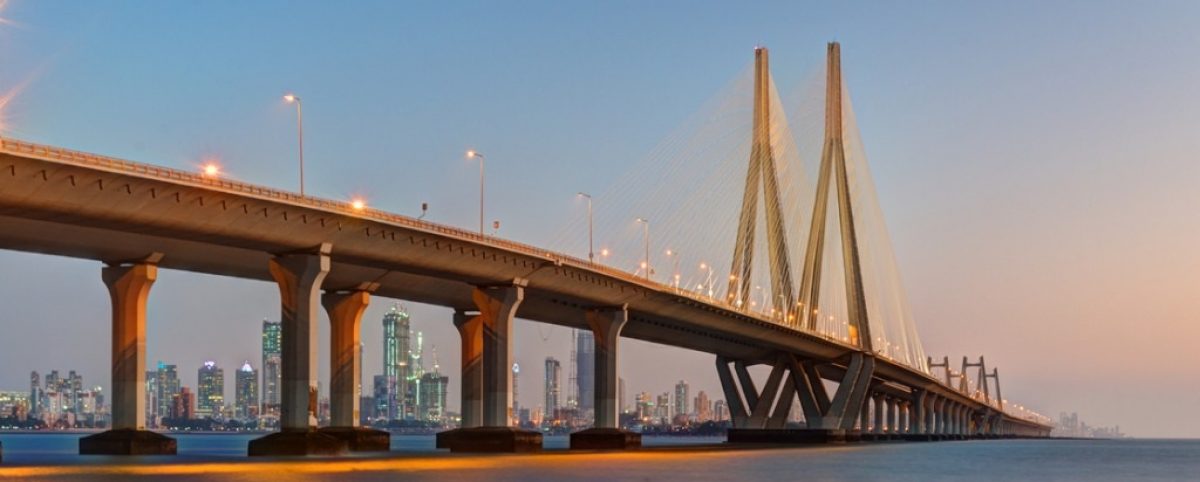
Prime Minister Narendra Modi inaugurated the Mumbai Trans Harbour Link (MTHL), the country’s longest sea bridge, on Friday. The sea bridge connects South Mumbai to Navi Mumbai and will reduce the current two-hour journey to just around 15-20 minutes.

While inaugurating the bridge, PM Modi (who loves to paint the big picture) said, “This is proof of our resolve that for India’s development, we can take on even the ocean and break the waves.”

The 21.8-kilometre-long bridge will enhance connectivity to both Mumbai International Airport and Navi Mumbai International Airport, reducing travel time from Mumbai to Pune, Goa, and South India. Additionally, it will improve connectivity between Mumbai Port and Jawaharlal Nehru Port.

Things are changing fast in India – perhaps this is your year to find out what this might mean for you?

Where Australia’s ‘An India Economic Strategy to 2035’ missed the point No. 1 – the threat to education is real

Australia finally has ‘An India Economic Strategy to 2035’ which is a good thing, with trade now declining to around A$14 billion.

A big part of that trade is education, with Indians big users of our universities and colleges.

The strategy mentions “visa employment conditions” as a potential threat – it should have been stronger. Changing visa conditions have had the intended consequence of employers now being uncertain and scared to offer employment to overseas graduates.

This is bad for Australia long term. Australian governments have one department discouraging Indian students (immigration) and the rest of the country hoping we can get more – time for the government to step in.

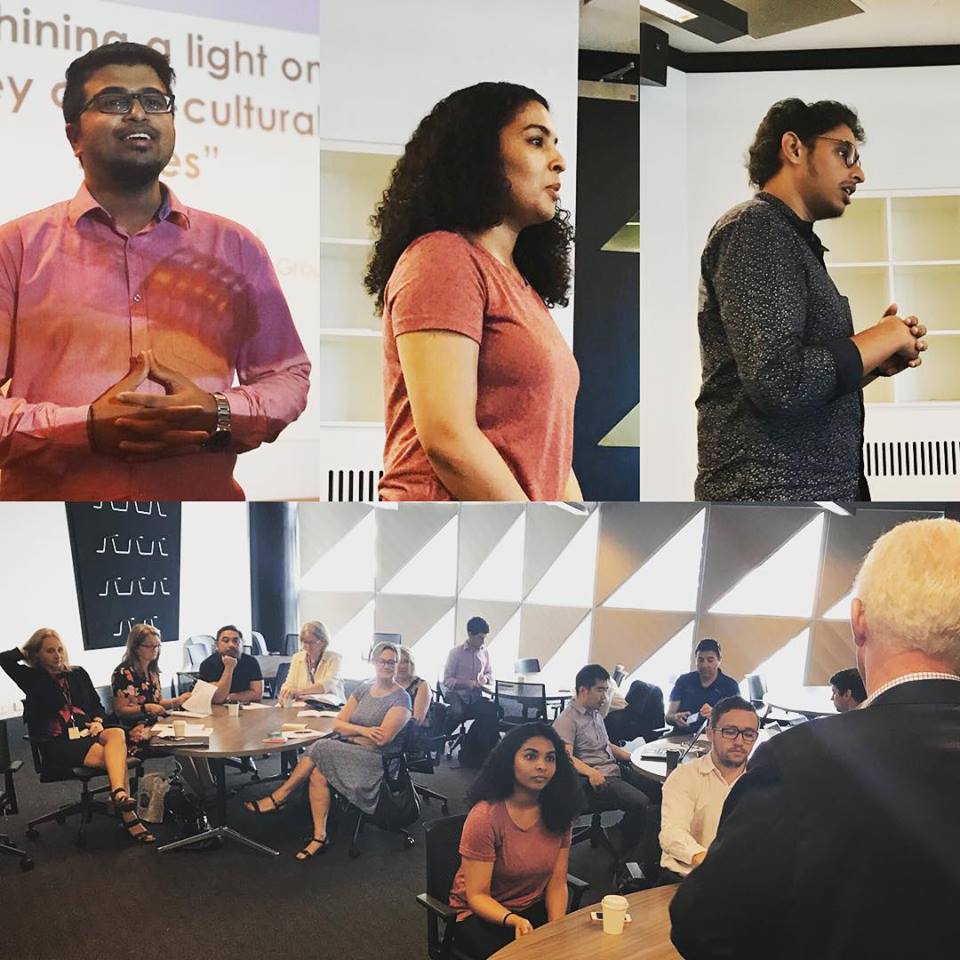
But even worse is that Indian graduates are not prepared for employment in Australia – and the report missed this key point. Their CV’s are not up to scratch, their English is difficult to understand, few have learnt presentation skills and their self descriptions often miss out their most attractive employment qualities. From our pilot study we know that these things can be quickly fixed, giving Indians a real chance of getting the jobs they want.

If this employment mismatch continues, we will have thousands of Indian graduates of Australian universities taking unskilled jobs – and word will get back to India – “don’t come to study in Australia because you will not be offered a job”. 

The report did call for our universities and businesses to work together to provide employment for students while they study – this is good. But the report made no mention of how unemployable these students are when sitting opposite corporate recruiters.

Missing this point was a big miss by the report. In addition to fixing the visa debacle, the government urgently needs to call the universities in, demanding a solution on employability skills.

Otherwise our trade will decline even further.