Steve’s 7 tips for exporting to India’s middle class

  1. Find the affluent millennials

India is home to the world’s largest population of millennials—typically defined as those aged 18-35. At 450 million, these millennials are influencing the way Indians eat, shop, commute and buy, much like their global counterparts. They are the first upwardly mobile group in recent history of India – and will have an impact very like the way western baby boomers changed most things.

According to Santosh Desai, managing director of Indian Brand Advisory Group Futurebrands, Indians used to be “born something” but now can “become something”.

2. Drill down to the real middle-class market

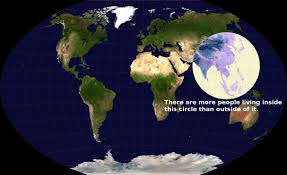
We know India has 1.3 billion people, but if you think too much about this you will get nowhere. Drill down to find your market.
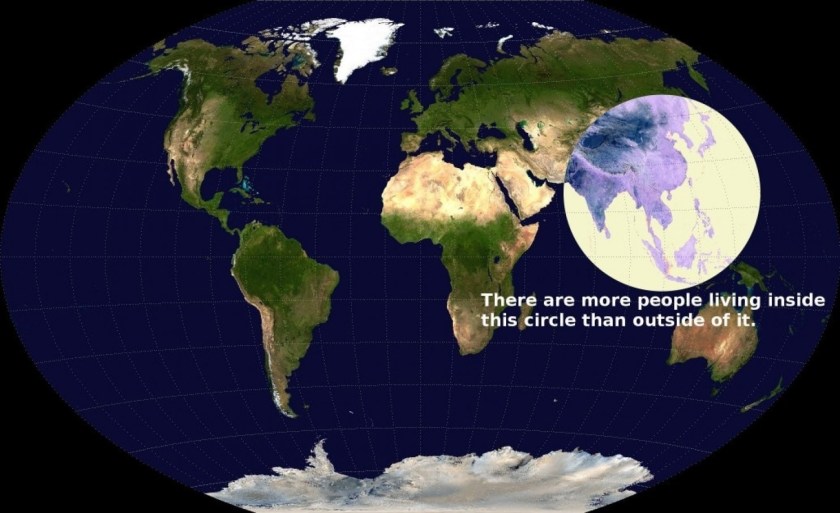
asiamap8circle

For example, some estimate the “middle class” as high as 300 million. For me, this is way too high. Austrade takes a dimmer view – it estimates that there are approximately 30 – 80 million people in our target demographic, many of whom live outside Tier 1 cities. That’s a big range from 30 to 80, which shows that we just do not know. But for me Austrade’s numbers are too low.

Austrade looks for consumers that:

  1. can afford international travel to destinations like Australia;
  2. can afford to send their children for study abroad; and
  3. can afford to eat at high-end restaurants and hotels or eat significant amounts of imported food and wine at home

3. Think of India as many markets

Thinking of India as “one market” will slow down your impact and waste your marketing efforts. First, there is the divide between north, south, east and west. Then there are big metropolises (8-10) and hundreds of tier one cities (around one million plus). Then there are over 26 different languages, multiple food cultures, differing beliefs and interests. It is complex, so build that into your “many markets” strategy.

4. Consumerism is changing in India

India had just 9 Shopping Malls in 2007. There are over 350 Shopping Malls in 2019. Plus 85 new Shopping Malls will be built in the next 5 years = 435 Shopping Malls in 2025.
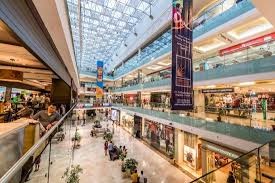
ambience7

Add to this that online retail is taking off, with Amazon and the local Flipkart leading the way.

Dr Mark Morley Trade Commissioner India Government of Australia makes a key point about opportunities for us: “Australia is well positioned with the Indian consumer. Across India, we have a great reputation for clean, safe and reliable supply. We are well known as a premium supplier of produce, and we have a global reputation for our quality brands.”

5. Thinking local is a good way to start

Especially for those in food, beverages, education and fashion, your beginnings for India can start right here in Australia.

About 650,000 Australians claim Indian ancestry, and we have over 65,000 Indian students here, which means a significant local market spending money. Add to that the growth in Indian tourists – up to over 300,000 per year and growing at around 15%. This gives you a good market testing opportunity.

6. Collaboration is the new relationship

If you just want to “sell” to India, sharpen your pencil and think short term – sooner rather than later, India will find an alternative to you.

To be in India for the long term, seek genuine opportunities to collaborate with Indians – once you and Indian collaborators are working together, your future is more secure. This is how Indians prefer to operate, so drop “transactional” thinking and focus on “collaboration” – it is the new relationship.

7. Give India the time it needs

Cultures based on relationship (collaboration) are slower to move, so give India at least three years. You might “sell” sooner, but for most this is a very short-term market entry approach.
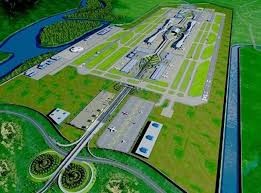
New airport for Navi Mumbai on the way

India’s infrastructure major, L&T (Larsen and Toubro), has bagged the contract for construction of the Navi Mumbai International Airport.

The company did not provide value of the contracts but said the orders fall under “major” category which ranges between US$ 715.40 million and US$ 1 billion.

navi3

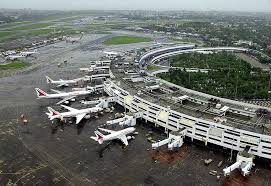
Navi Mumbai (shown in these pictures) is a part of Greater Mumbai and is a planned satellite city.

This second international airport for bustling Mumbai is no small venture – it is being developed to initially handle a capacity of 10 million passengers per annum. The project will subsequently be enhanced to handle 20 MPA.

navi7

Regular visitors to India will notice constant upgrades in infrastructure – infrequent visitors will be amazed at the global quality of many Indian airports.

navi5


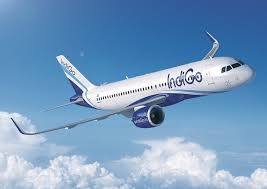
IndiGo is modern India – starting in 2006 and now the biggest airline

IndiGo airline is the story of modern India.

Now India’s largest airline, IndiGo expects to see a growth at 30 per cent a year over the next few years.

It is the largest airline in India by passengers carried and fleet size, with a 48.1% domestic market share as of June 2019.

Yet the company started flying in 2006.

Indian airport

IndiGo commenced operations on 4 August 2006 with a service from New Delhi to Imphal via Guwahati.

According to Dutta, chief executive of the airline, “We expect that half of that growth will go international, half will go domestic.” He is positive about the international operations of the airline.

The airline presently has around 238 aircraft in its fleet comprising of ATRs and narrow body aircraft.  The airline is looking at wide body aircraft.

Modern India – things change fast.

indigologo

India-Australia trade relations set to grow at critical time

Many of us have championed closer economic ties between Australia and India. It is now more important than ever to get closer to India.

As Austrade expresses it – “With trade wars, powerful neighbours, and the odds on a recession narrowing within the next two years, considering Indian market entry has never been more mission-critical for Australian business.”

AusIndiaFlags

Some key statistics:

•In 2018, Australia’s total exports to India grew 10% to A$22.3 billion. India ranked number five in Australia’s export destinations.

•Two-way trade increased by a similar percentage to A$30.4 billion, making India Australia’s sixth largest two-way trade partner.1

•Australian investment in India increased almost 12% to A$15.6 billion, slightly ahead of India’s investment in Australia at A$15.1 billion.

However – and here is why Australia needs to balance trade – according to the Australian Bureau of Statistics, in 2016–17 (the latest year for which there is data), only 2,087 exporters engaged with India, compared to 7,214 for China.

Time to think India.

Gandhi’s inspiration lives on today

Mohandas Karamchand Gandhi was an Indian activist who was the leader of the Indian independence movement against British colonial rule, becoming known as “The father of the nation”. Employing nonviolent civil disobedience, Gandhi led India to independence and inspired movements for civil rights and freedom across the world.

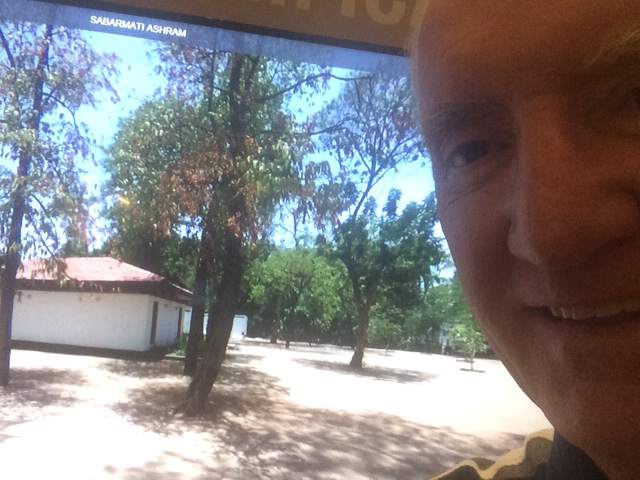
I well remember campaigns against the Vietnam War – I was one of so many who used silent protest, peaceful marches and so on, all inspired by Gandhi. It was so special recently to visit his Ashram in Gujarat, and I have previously been to his burial site and other special locations in other cities.

Gandhiashram

Apparently he also influenced Martin Luther King in the USA who used peaceful means, also Nelson Mandela and the Dalai Lama.

Incredible wisdom.

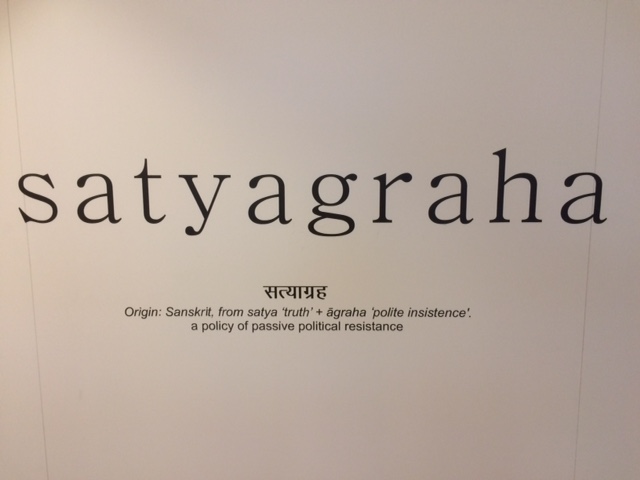
“In a gentle way, you can shake the world.”

Thank you Mahatma Gandhi.

gandhisatyagraha


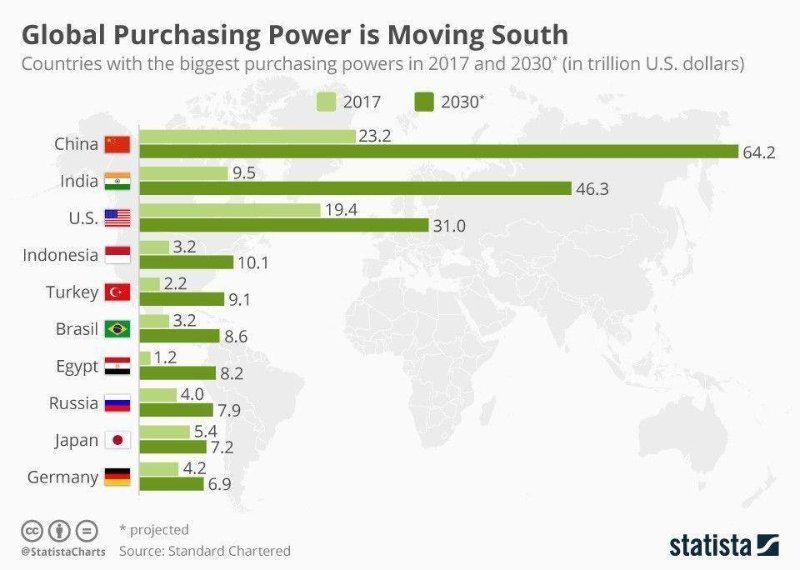
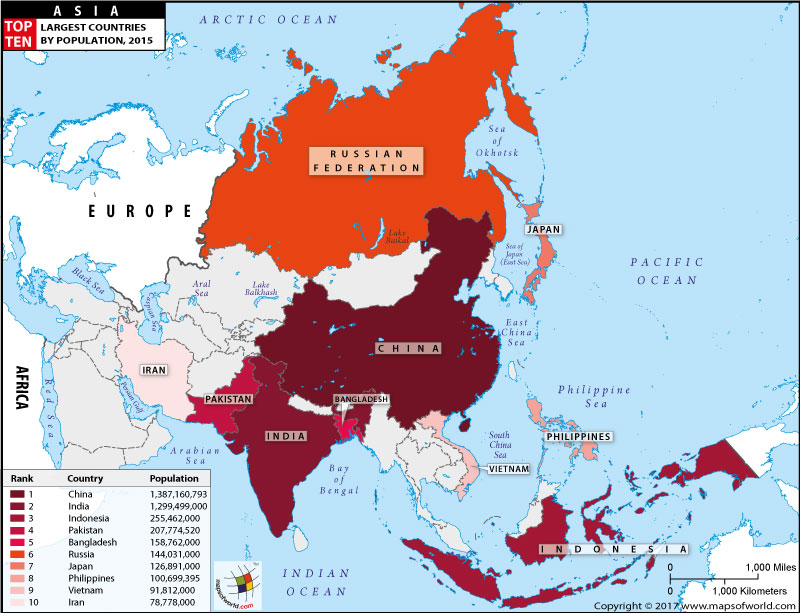
Global Purchasing Power is moving to Asia

The biggest nation on Earth, China, is expected to keep its top spot as the country with the largest purchasing power on Earth and is on track to almost triple its purchasing power by 2030, according to an analysis by the British Bank, Standard Chartered.

India will almost quadruple its purchasing power, moving to rank 2.

China will double the USA while India will beat USA by approx 50%.

asia map

In the case of Japan, the country is expected to lose 5 ranks and emerge as the country with the 9th highest purchasing power worldwide.

Developing economies like Indonesia, Turkey, Brazil and Egypt are set to move into ranks four to seven respectively, toppling the reign of countries like Japan and Germany, which are still growing their purchasing power but at a much slower rate. The U.S. is expected to only drop one rank to position 3 but is grappling with slower growth.

In summary – an amazing outcome for Asia – especially China, India and Indonesia.

asia map 2

How is your Asia engagement strategy going? Time to begin, change or reinvigorate? Get good advice so you avoid the mistakes of many before you.

Megacities right on Australia’s doorstep – opportunities in Asia-Pacific

In 1900 only 15% of the globe’s population resided in cities. By 2008 over half of the world’s population lived in cities. The trend continues.

Megacities have 10 million or more people and the future growth is in Asia Pacific.

In 2017, Asia Pacific accounted for the largest number of megacities, with 19 of the 33 (58%). China and India are the regional and global leaders, with six and four megacities each in 2017, respectively. For India these are Mumbai, Delhi, Bangalore and Kolkata. Chennai will join them within a decade.

mumbaitrain

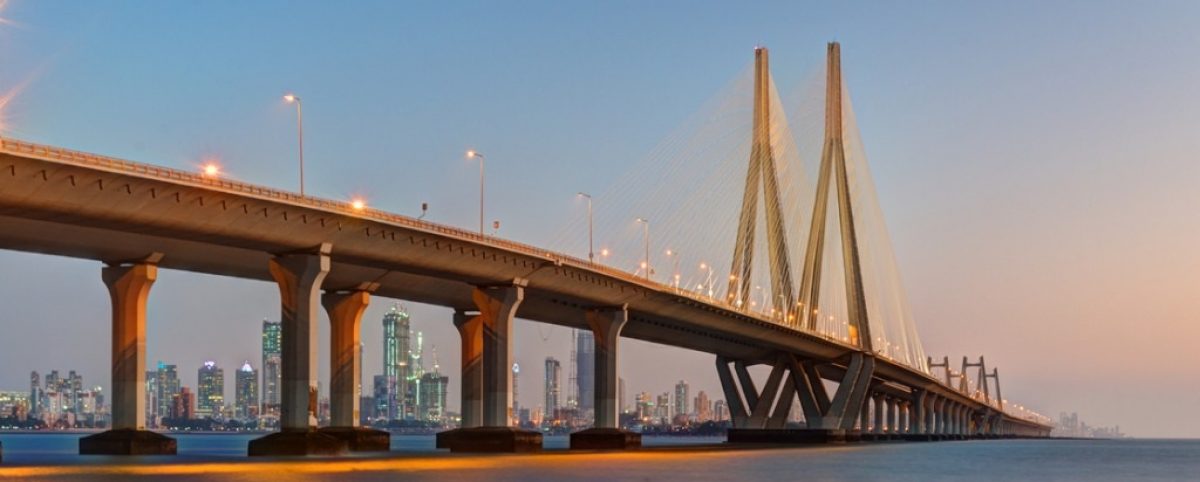
Pictured – Mumbai, one of India’s four Megacities

Jakarta, capital of Indonesia, (picture below) will replace Tokyo as the globe’s biggest city – 35.6 million by 2030.

jakarta2

Ageing is expected to have an impact on many key megacities in East Asia over 2017–2030. Growth in the share of over 65-year-olds will be particularly apparent in Seoul, and Chinese megacities such as Beijing and Shanghai.

The twin opportunities for Australia – become involved in the move towards “smart cities” and provide services for the ageing populations. It’s right on our doorstep.

The harmony of Kerala was so real

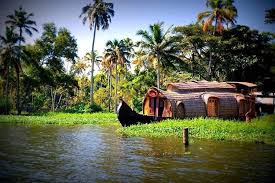
Experience Number Three – my series on India tourism. This one is in Kerala – Gods Own Country – we have been in the mountains, on the beach, we are in a floating hotel on the backwaters. Kerala is a long thin state on the south west side of the very bottom tip of India, so it is hot, tropical and amazingly friendly. One friend told me this is a legacy of always being a global trading centre and not a place of conflict. In the first evening on the backwaters – pull in for the night – the lovely sound (for Australian ears) of the top being popped off a bottle of beer – but there are some real spiritual sounds – the singing of Christian hymns comes from one side – the chant of the Hindus and the call to prayer of the Muslims – all at once – my friend says let’s get the leaders of the world here so they can see it is possible to be different but live in harmony. Ah, Kerala, well done!!

More tourism experiences in future blogs…

keralamt

When in India in a suit and tie, watch out for the Holi Festival!

Experience Number Two – my series on tourism experiences in India. This one was in Kolkata, lots of sweets, love the intellectual culture, last day of a business trip I have just one more business appointment and then on to the plane – but with an hour to spare I get my friend to take me to the museum home of the great Rabindranath Tagore – poet, thinker, philosopher – and we are on the second floor – I look out the window – the building is next to a university and has become surrounded by students – throwing pink purple blue and red powder over each other – Holi Festival has started – so we have to leave for the final appointment – walk through, so far so good, then two charming young students say “May we Sir?” with their powder – I am in India, I am here for the experience, so I say YES. Arriving at the appointment my host laughs and hugs me – and we remain strong friends.

More experiences of India in future blogs…

kolkata5

Have an ayurvedic massage when visiting India

Experiences of India tourism – Ayurvedic massage in Kerala. 

Staying at Bruntons Boatyard in wonderful Kochi, an old style hotel right on the ocean where you can watch passing ships, the ferries and traditional fishing.

bruntons

You can also have an ayurvedic massage – my friend and I booked in for our first. Bit nervous. Explained to the masseur that my left shoulder was operated on and could he please be careful with it? Turned out he did not speak a word of English – but by his actions he must have thought I was asking for a special workout for the shoulder! In tears of pain, covered in oil, lying face down on a wooden slippery table – and he indicates I should turn over. Can’t – too slippery. So one grabs my head and the other my feet – FLIP!

But here is the thing – now my left shoulder is by far my strongest, thanks to ayurveda. I am a believer. Have never experienced a massage like that one. Give it a try.

bruntons2

The outside restaurant at Bruntons Boatyard – have dinner, watch the sunset and the seaside activity