India’s PM Modi facing economic slowdown and needs a growth trigger

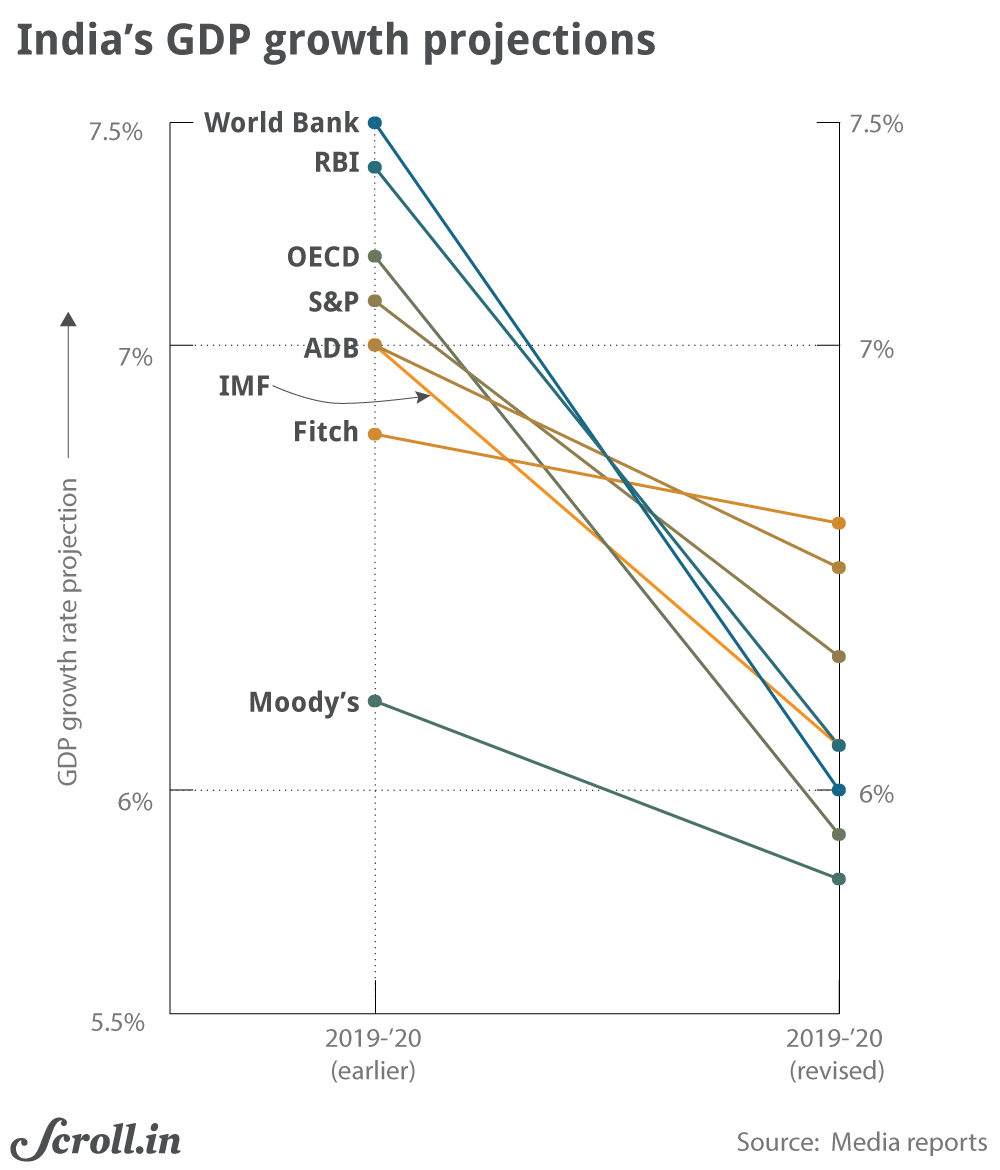
Moody’s is the most pessimistic, predicting Indian GDP to grow at just 5.8% for Financial Year 2020.

But s the above chart shows, many others are predicting declines.

This is a challenge for Indian PM Narendra Modi who has pinned his future on sustaining growth and lifting more out of poverty.

Citigroup has been optimistic on India, predicting that by 2050 India would be the world’s biggest economy. That was based on an annual growth rate of 6.5% over 40 years.

But 2019 has seen a slowdown to around 5% growth.

The one constant in India is population growth – around 20% per decade.

While the services and manufacturing sectors are seeing good growth, more can be achieve and infrastructure across the board still needs surgery. Daily power outages are common in major cities, education outcomes disappoint and healthcare is lagging. Not to mention roads and so on.

PM Modi needs a trigger – something that can draw the business and investment communities together to regain the excitement of the India growth story.

It is a major challenge.

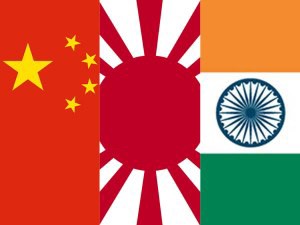
China, Japan and India – the new startup triangle

China is a major provider of funding and control of many Indian startups. In 2015, Alibaba invested in Paytm through its affiliate Ant Financial. In 2017, Tencent took major stakes in Flipkart and Ola.

ola

Japan is also a serious provider of funding in India. Japanese giant Softbank has invested over US$8B in startups in the country, with a goal of $10B by 2024 that now looks surprisingly conservative.

As a result of this “triangle”, India is currently home to 26 startups valued over US$1B.

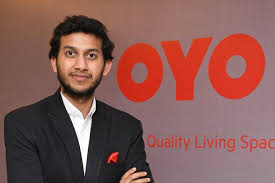
Oyo Hotels and Homes is raising US$1.5 billion from founder Ritesh Agarwal, SoftBank Group Corp., and other investors as it expands into foreign markets such as the U.S. and Europe.

agarwal

Agarwal, 25, will spend $700 million to buy new shares in the company.

Indian edtech startup CollegeDekho, which helps students connect with prospective colleges and keep track of exams, has raised US$8 million in a Series B round.

Last October, Indian e-commerce startup Snapdeal raised US$627 million at a valuation of over $2 billion. In the same month, India’s Uber-style taxi service, Olaraised $210 million, while being valued at over $1 billion in under three years.

snapdeal

India’s largest online retailer and version of Amazon is Flipkart which recently raised another US$700 million at over a $11 billion valuation.

India’s online restaurant guide, Zomato, recently bought US-based Urbanspoon for over $50 million—one of the largest acquisitions by an Indian startup.

zomato

India’s Silicon Valley – Both Koramangala in Bangalore and Hiranandani Powai (pictured below) in Mumbai – are becoming thriving ecosystems to nurture startups in India.

hirandani

Things are changing in modern India – and the “triangle” of India, China and Japan is playing a big role in the change.

 Time to look again?

Steve’s 7 tips for exporting to India’s middle class

  1. Find the affluent millennials

India is home to the world’s largest population of millennials—typically defined as those aged 18-35. At 450 million, these millennials are influencing the way Indians eat, shop, commute and buy, much like their global counterparts. They are the first upwardly mobile group in recent history of India – and will have an impact very like the way western baby boomers changed most things.

According to Santosh Desai, managing director of Indian Brand Advisory Group Futurebrands, Indians used to be “born something” but now can “become something”.

2. Drill down to the real middle-class market

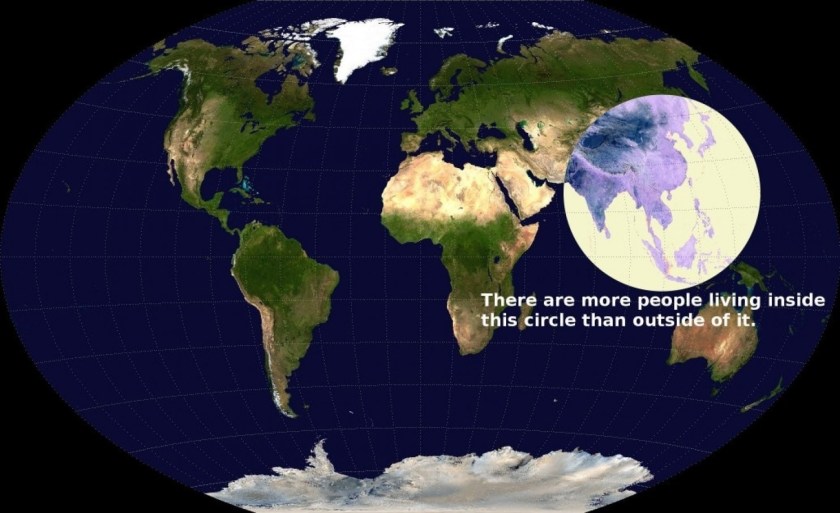
We know India has 1.3 billion people, but if you think too much about this you will get nowhere. Drill down to find your market.
asiamap8circle

For example, some estimate the “middle class” as high as 300 million. For me, this is way too high. Austrade takes a dimmer view – it estimates that there are approximately 30 – 80 million people in our target demographic, many of whom live outside Tier 1 cities. That’s a big range from 30 to 80, which shows that we just do not know. But for me Austrade’s numbers are too low.

Austrade looks for consumers that:

  1. can afford international travel to destinations like Australia;
  2. can afford to send their children for study abroad; and
  3. can afford to eat at high-end restaurants and hotels or eat significant amounts of imported food and wine at home

3. Think of India as many markets

Thinking of India as “one market” will slow down your impact and waste your marketing efforts. First, there is the divide between north, south, east and west. Then there are big metropolises (8-10) and hundreds of tier one cities (around one million plus). Then there are over 26 different languages, multiple food cultures, differing beliefs and interests. It is complex, so build that into your “many markets” strategy.

4. Consumerism is changing in India

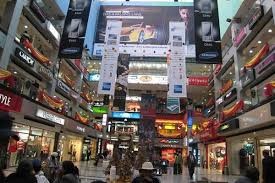
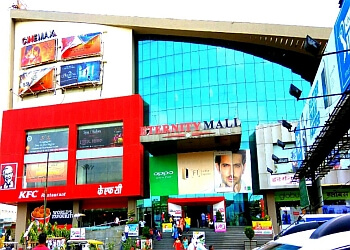
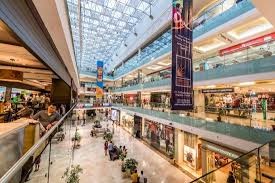
India had just 9 Shopping Malls in 2007. There are over 350 Shopping Malls in 2019. Plus 85 new Shopping Malls will be built in the next 5 years = 435 Shopping Malls in 2025.
ambience7

Add to this that online retail is taking off, with Amazon and the local Flipkart leading the way.

Dr Mark Morley Trade Commissioner India Government of Australia makes a key point about opportunities for us: “Australia is well positioned with the Indian consumer. Across India, we have a great reputation for clean, safe and reliable supply. We are well known as a premium supplier of produce, and we have a global reputation for our quality brands.”

5. Thinking local is a good way to start

Especially for those in food, beverages, education and fashion, your beginnings for India can start right here in Australia.

About 650,000 Australians claim Indian ancestry, and we have over 65,000 Indian students here, which means a significant local market spending money. Add to that the growth in Indian tourists – up to over 300,000 per year and growing at around 15%. This gives you a good market testing opportunity.

6. Collaboration is the new relationship

If you just want to “sell” to India, sharpen your pencil and think short term – sooner rather than later, India will find an alternative to you.

To be in India for the long term, seek genuine opportunities to collaborate with Indians – once you and Indian collaborators are working together, your future is more secure. This is how Indians prefer to operate, so drop “transactional” thinking and focus on “collaboration” – it is the new relationship.

7. Give India the time it needs

Cultures based on relationship (collaboration) are slower to move, so give India at least three years. You might “sell” sooner, but for most this is a very short-term market entry approach.

Blackstone keen on India investments and sees slowdown as short term

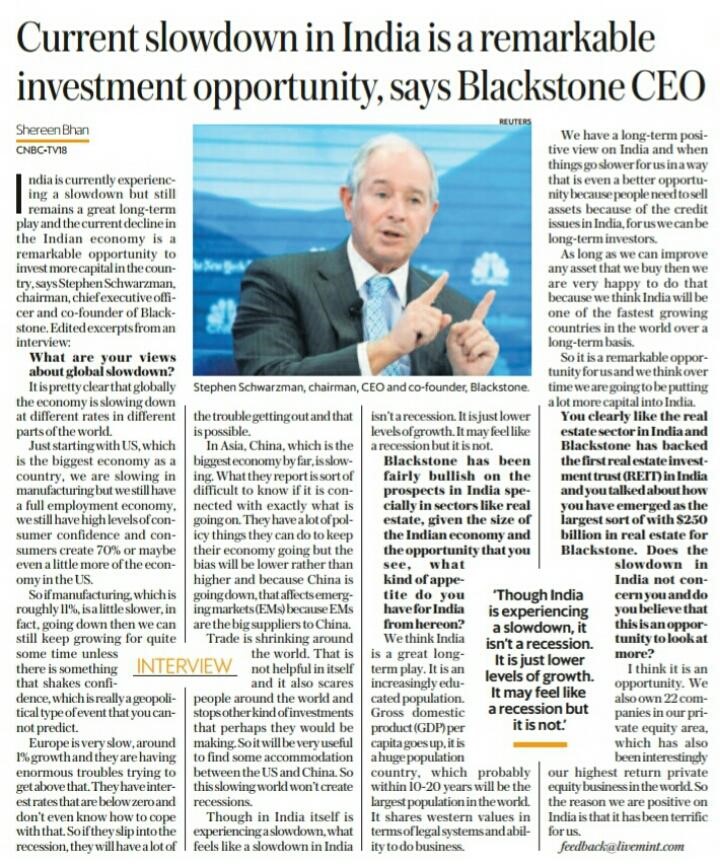
Blackstone has been investing in India for some time – and it sees the current “slow down” as only short term and also “an opportunity”.

The reality is that Blackstone – having been a serious investor in India – has reaped great rewards from being part of the India growth story.

blackstone5

My “shopping mall index” shows you must revisit India for consumers

India had just 9 Shopping Malls in 2007.

There are over 350 Shopping Malls in 2019.

Plus 85 new Shopping Malls will be built in the next 5 years = 435 Shopping Malls in 2025.

ambience6

That’s my “shopping mall index” That’s why you should revisit India.

India today is a heady mix of three powerful elements – an appetite and reality of rapid change, a young population and the Governments now have funds to spend.

Add to this that online retail is taking off, with Amazon and the local Flipkart leading the way.

mall3

Dr Mark Morley Trade Commissioner India Government of Australia makes a key point about opportunities for us: “Australia is well positioned with the Indian consumer. Across India, we have a great reputation for clean, safe and reliable supply. We are well known as a premium supplier of produce, and we have a global reputation for our quality brands.”

One challenge for Australian businesses is to fully understand the market – and the answer is that hardly anyone knows what size the market is.

We know there are 1.3 billion people.

Within that, some estimate the “middle class” as high as 300 million.

Austrade takes a dimmer view – it estimates that there are approximately 30 – 80 million people in our target demographic, many of whom live outside Tier 1 cities. Thats a big range from 30 to 80, which shows that we just do not know. Austrade looks for consumers that:

  1. can afford international travel to destinations like Australia;
  2. can afford to send their children for study abroad; and
  3. can afford to eat at high-end restaurants and hotels, or eat significant amounts of imported food and wine at home.

The point is, we need more and better data.

But my “shopping mall index” should give you a reason to revisit.

And if you act soon but take a long term view, now is the time to start.

Mutual Funds continue robust growth in India

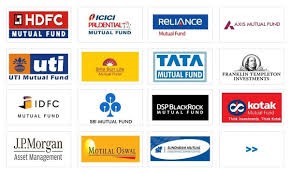
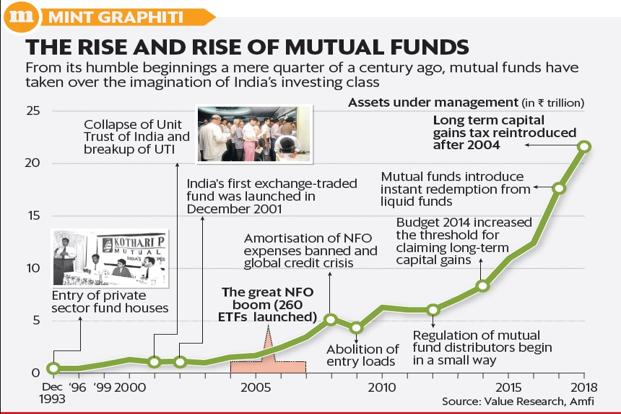
The Indian Mutual Funds’ asset base increased to US$364.4 billion in August, a rise of 4 per cent as compared with the preceding month, on the back of robust inflows in equity and liquid schemes. There are 44 mutual funds in India, according to data from the Association of Mutual Funds in India (AMFI).

Mutual fund houses witnessed an overall inflow of US$14.59 billion last month – fund managers attributed growth in the asset base to higher retail participation and robust inflows in equity schemes and liquid funds.

mutual

Retail investor interest in equity mutual funds, for the fourth time in succession, continues to be steady, displaying maturity, despite uncertain economic and volatile market situation.

The 4 paradoxes of doing business with India

Slow and Fast

We think you need to commit three years to building business in India – but when you first go be ready for anything because demand can be instant. Or not. A careful understanding of the market and assessment of whether it is right for you is essential.

Price and Relationship

We know Indians chase a bargain. But price alone is not enough for longevity in India – you need to build relationships. I would build the relationship first, because anyone can undercut your price.

Status and Money

Status in a hierarchical society such as India is paramount. But now so is money. Making it. Showing it. If your product combines status and money it is a good fit. When there, be careful to fully respect the status of whoever you are dealing with.

“India” and “Many Indias”

India is not one market – it combines many languages and cultures, with people in one part of the country not even being able to understand people in another part. We begin by understanding the regional differences between north, south, east and west – but this is only the beginning of drilling deep to know who you are dealing with and who you are targeting. Beware someone who promises to take you “across India” in one major campaign.

Step one is to get some good market research – the only safe and sound beginning. Add to that some cross-cultural training.

Time, knowledge and patience are the keys.

Steve1

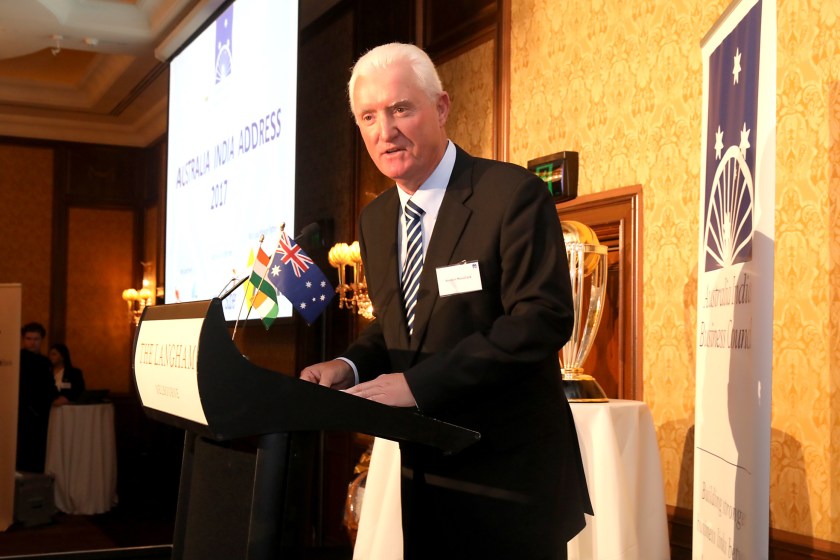
Stephen Manallack speaking at Australia India Business Council function

New airport for Navi Mumbai on the way

India’s infrastructure major, L&T (Larsen and Toubro), has bagged the contract for construction of the Navi Mumbai International Airport.

The company did not provide value of the contracts but said the orders fall under “major” category which ranges between US$ 715.40 million and US$ 1 billion.

navi3

Navi Mumbai (shown in these pictures) is a part of Greater Mumbai and is a planned satellite city.

This second international airport for bustling Mumbai is no small venture – it is being developed to initially handle a capacity of 10 million passengers per annum. The project will subsequently be enhanced to handle 20 MPA.

navi7

Regular visitors to India will notice constant upgrades in infrastructure – infrequent visitors will be amazed at the global quality of many Indian airports.

navi5


The changing mindset of India

The mindset of India has split into two camps – one, the traditional, opposes spending and innovation – the other, entrepreneurial, chases innovation and adventure. It can be tough to navigate.

I was talking to an Indian colleague the other day about collaboration around Hydroponics – growing vegetables and some fruits in a liquid solution combined with various forms of protection such as glasshouses.

This is ideal for India – does not need good land, uses less water, produces the same quality 365 days per year and so on. Plus it grows crops that India’s growing urban populations demand – fresh capsicums, lettuce, broccoli, cucumber and strawberries.

But the early India response is an insight into the competing mindsets.

From one quarter of traditional banking, no thanks, it would cost money to install. Forget the benefits. Forget the competitive advantage. If it costs money, NO.

delhi2

From another side of the India mindset comes an enthusiastic response – an entrepreneurial and CSR view. This can make money plus help poor rural farmers and poor rural women. So, YES.

As an optimist, I am guessing the YES side will win on this one.

The Australian Government is probably facing this varying mindset as it seeks to heavily promote Australian coal exports to India.

coal2

Yes, our coal can provide India with uninterrupted power, increasing efficiency and quality of life (and add to the already overwhelming pollution).

No, it would cost money and we put up with interrupted supply anyway. And, No, because we do not have the distribution network so alternatives such as solar are attractive for rural villages (even if interrupted, “it’s better than nothing”).

I am guessing that the NO side might win on the coal issue. But let’s wait and see.

Why is the west being so jittery about the rise of Asia?

Trade war on China. Military action here and there.

The west is jittery. Yet all we have is the return to the normal state of affairs – until exactly 200 years ago China and India were major global economies. Now they are again.

So, why is the west so jittery about the rise of Asia?

First, the west “won” the cold war against Russia without firing a single shot. Great victory – but the pride of that has become hubris and shows in a belief that only western liberal democratic countries can succeed. And here comes China. Not western, not liberal and not democratic. Jittery.

russia2

Second, 9/11 was a shocking event that dominated the mind of the west then – and now.

Wile we focused on 9/11, two things happened – rising China joined the World Trade Organisation and the lowest earners in the USA were hit by a 50% decline in income.

Hence – Trump. And hence, lots of jittery decisions being made throughout the west.

Can the west get back to rational, calm and innovative leadership? I hope so.

Thanks to Kishore Mahbubani for inspiring some of the above.