
More Australian university students going abroad during studies

The 2018 Australian Universities Learning Abroad report, released in November and undertaken by i-Graduate, found more than 52,000 Australian domestic students went abroad during their studies last year, representing 19% of the entire graduating cohort.

By level of study, however, one in four undergraduates went abroad, at just 36,500 students.

Students are also starting to recognise that this is an opportunity that can help differentiate them as a graduate,” explained Jo Byng (pictured), member of the Australian Universities International Directors Forum Executive.

jo bing3

“Many of their peers are engaging in it… and so I think they recognise it’s got a lot of value and it’s becoming a rite of passage for students.”

According to the report, 2018 was the first time ever the number of domestic outbound students surpassed the 50,000 marks, and saw the proportion of students almost doubled from 17% in 2014.

Speaking with The PIE News, Byng, who is also director of international strategy, mobility and operations at Western Sydney International, said substantial government backing had also helped encourage more Australian students to consider mobility programs.

“The Australian government has given an immense amount of support, particularly to promote undergraduate mobility, through New Colombo grants and scholarships,” she said.

“That would be one of the big factors, but then also loans that have been available to students, undergraduates, for over a decade now, that I think are taken up in fairly significant numbers by students.”

“Universities have really started to recognise the benefits to students in undertaking overseas mobility experiences,” she continued, adding benefits were experienced both academically and post-graduation when finding employment.

Of those that went abroad, the majority did so on a short-term program, with 24% going on a study tour, 21% as part of a work-integrated learning experience, internship, or practical placement, and 16% to undertake a class at a partner institution.

RMIT University is one of the institutions that has seen a substantial rise in the number of domestic students participating in some form of international study experience.

“Students are increasingly taking up the unique experiences we offer in person, online, onshore and offshore to help develop global perspectives, so they are ready for the ever-changing world of work,” a spokesperson said.

“More than 3,500 students participated in a global mobility program (traditional exchanges or study abroad programs) through RMIT in 2018, an increase of 21.5% since 2017.”

According to the study, 49% of Australian outbound students studied in the Indo-Pacific, an area of focus for the New Colombo Plan. China, meanwhile, represented the biggest single country with 14% of students.

Byng said the next aim for AUIDF was to ensure demographics underrepresented in the study could take up an outbound experience.

IKEA plans 3 stores for Mumbai and broader India expansion

IKEA, the Swedish home furnishing retailer, intends to open three stores in Mumbai. This would consist of a flagship store in Navi Mumbai along with two smaller outlets. The company plans to recruit around 1,000 people, mainly for the Navi Mumbai store, which is planned to open within a year.

Ms. Jaxa Gohil, Store Manager, IKEA India, said India is massively significant for IKEA globally, adding that it is witnessing the company’s biggest expansion plans among new markets. IKEA is investing €1.5 billion (Rs 117.96 billion) in India.

ikeacustomers2

IKEA has identified Mumbai, Delhi and Bengaluru as cities that have potential and opportunities.

It also intends to expand through e-commerce channels for Bengaluru and Delhi soon and has started a pilot for e-commerce in Pune.

In August, IKEA started its e-commerce channel for Mumbai and has garnered 2 million visits so far, said Ms. Gohil. E-commerce for Hyderabad was also started, where it opened its only physical store in India in 2018.

IKEA is definite about 50% of employees being women, as well as adapting the offering for India with a focus on affordability and sustainability.

As a global iconic brand, IKEA has chosen the right cities to launch into India, but could focus more on tier two cities too.

Dalai Lama provides another insight into how India is very different

How is India different?

Last week the Tibetan spiritual leader the Dalai Lama delivering the 24th Dr Sarvepalli Radhakrishnan memorial lecture on “universal ethics” organised by the Indian Institute of Advanced Study, said India’s message of “ahimsa, kindness, love and compassion” spread even during religious conflicts and World Wars.

So, there is one guide to India’s difference – in my own words – despite having some internal conflicts of its own, the Indian starting point is non-violence, kindness, love and compassion. Not saying it always works out that way, but…

How many other cultures can we say this for? Think how strongly the concept of “revenge” has taken hold in the west – someone does wrong by us, we will “track them down”. Just one example of a different mindset.

The Dalai Lama has lived in India since 1959, and he also called for a “revolution” in India’s education system by combining its 3,000-year-old ancient tradition of high moral teachings with the modern education. This would be a good thing everywhere.

“Those mental quality subjects like non-violence, love, kindness and compassion should be included as an academic subject instead of religious teachings,” the 84-year-old said.

What do you think?

hhdl

India has many remarkable achievements and hosting the Tibetans is one of them

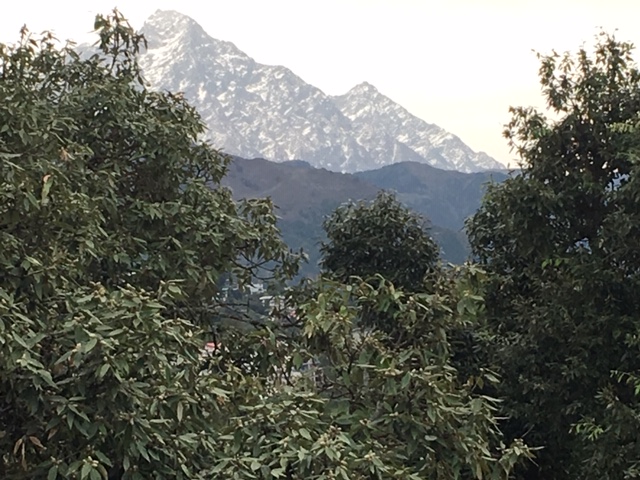
Today I am in Dharamshala, a town on the western end of the Himalayas. This picture is taken from my hotel.

In this area in the 1950’s something remarkable happened.

The Tibetans, fleeing their own country, came here in thousands along with their young leader, His Holiness the Dalai Lama.

I do not know the history too well, but I understand that India opened its arms and gave land and refuge here and in other parts of India for the Tibetans.

hhdl

Today the Dalai Lama is older and looking a little frail, but his contribution to the western knowledge of Buddhism and putting “kindness” ahead of any belief system is just amazing – thanks in part to the country that hosted him.

Just another side of this country which at the time was struggling itself.

Remarkable India.

Indian PM Modi picks up rubbish on the beach – how many PM’s and Presidents would do that?

Into India has always said Indian Prime Minister Narendra Modi is different – in a very good way! News this week gives another example.

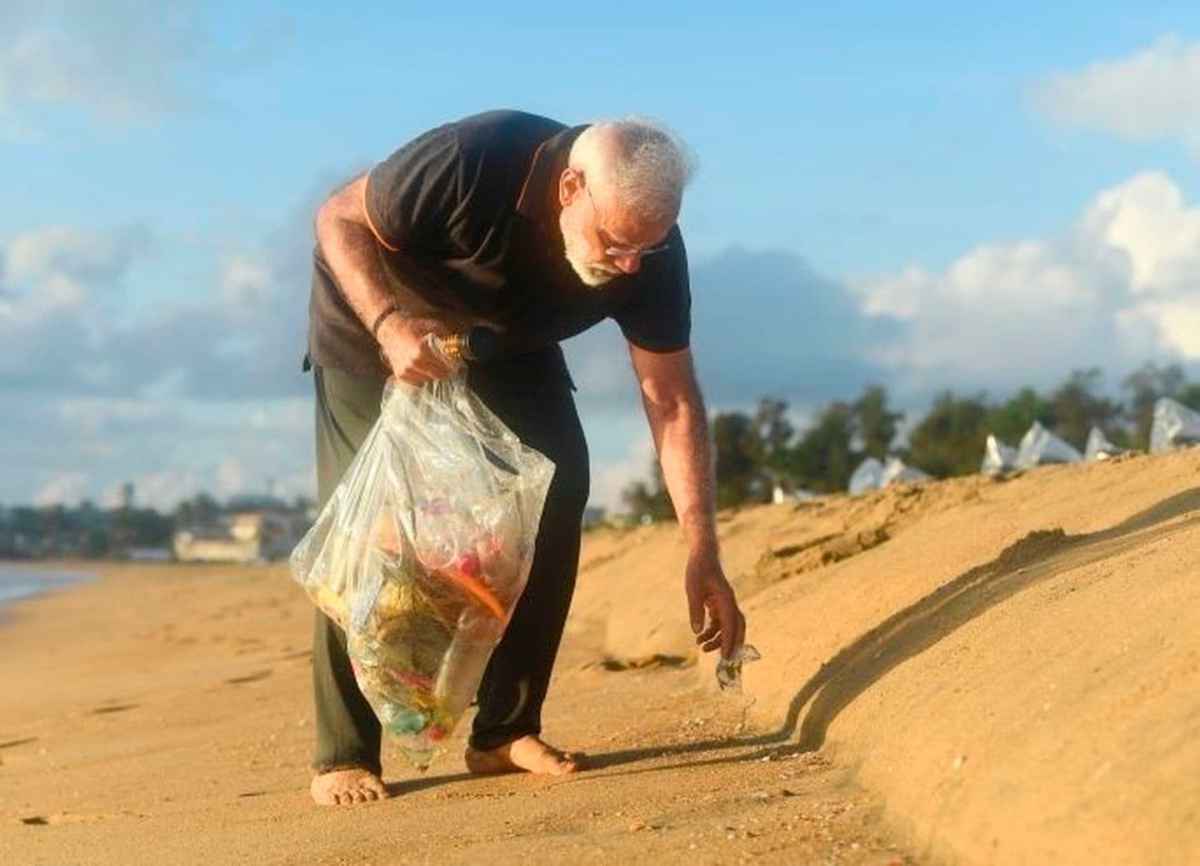
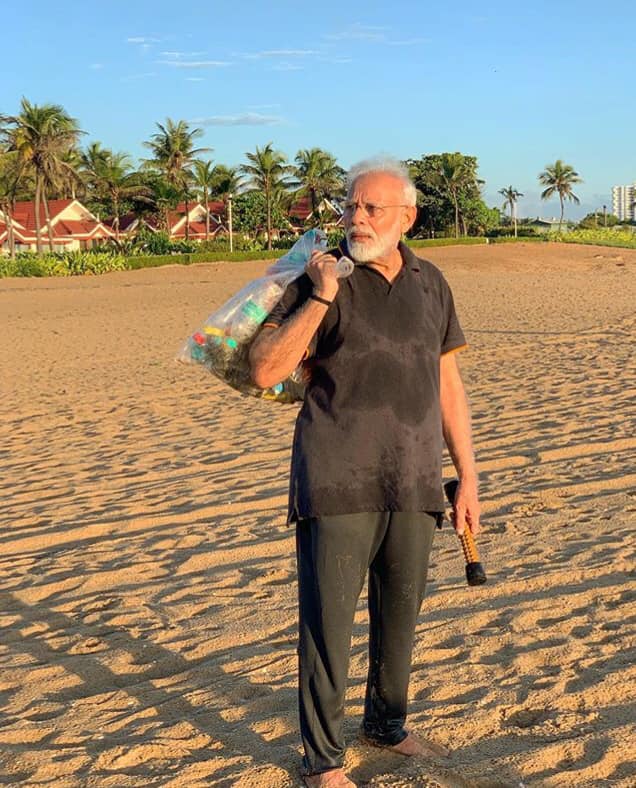
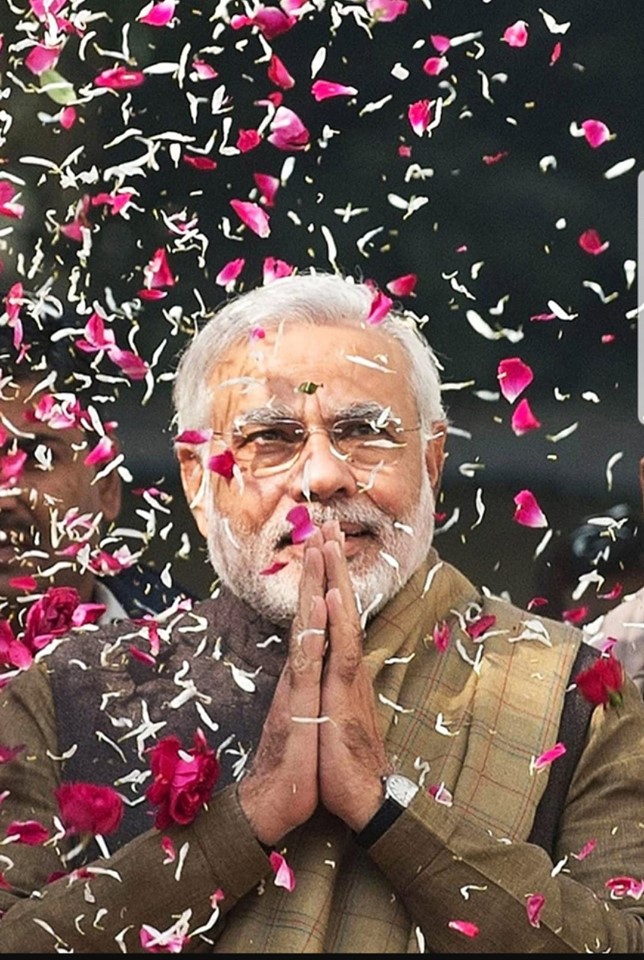
As part of his cleanliness drive, PM Modi picked up trash Saturday (pictured above) from a beach in the southern temple town where he hosted Chinese President Xi Jinping.

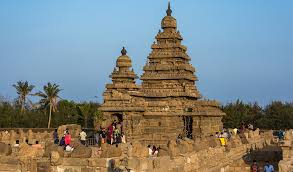
Modi released a short video on Twitter showing him walking barefoot in the sand, collecting the trash in a bag on Saturday morning in Mamallapuram in Tamil Nadu state (pictured below).

mamallapuram

He tweeted, “Let us ensure our public places are clean and tidy.”

Modi launched a “Clean India” campaign after he became prime minister in 2014.

In a radio talk last month, Modi lauded the efforts of an Indian “plogger,” Ripudaman Belvi, who launched a campaign to pick up litter while jogging.

Modi said that “plogging” is popular in foreign countries, and praised Belvi for promoting it in India.

We told you he was different! Let’s have more like him.

Modi rubbish

India’s diversity means agreement can be a rare thing, even on the Vada Pav

A recent discussion with a group of young Indians was a great insight into the diversity of India.

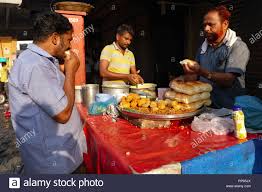
I had asked the group what is in a Vada Pav (Mumbai’s favourite street food)?  Generally Vada Pav contains spicy potato filling, in a cut bun with layers of spicy garlic and green chutney. By the way, it is delicious!

vada pav7

One in the group did not think it had potato, Another member thought is was based on chick peas. Then the discussion went on. Finally, there was a happy confusion about Vada Pav.

This is India. Often you find there is no common understanding on what seem fairly simple things. Ask a group to tell you what a “crore” or a “lakh” is and pretty soon your head will be spinning.

Why does this happen?

It is not India, but many Indias. This is not one country – this is a country of countries. There are so many Indias and common understandings across the whole country are rare.

Major festivals often have different names or slightly different spelling of names, depending on where you are.

This is diversity and needs to be understood if you are to succeed there. India manages to stay together but it really is an amalgamation of ethnicity, culture and over 26 major languages.

Investigating culture pays off. Underestimating cultural difference can be the beginning of the end for your project.

Ready?

I hope Australian PM Morrison will speak in January at India’s Raisina Dialogue

Good news – Australian Prime Minister Scott Morrison is to visit India next year.

There is a hint that the timing is January.

I hope he chooses to become a keynote speaker at the Raisina Dialogue – January 14-16.

Raisina Dialogue is a multilateral conference committed to addressing the most challenging issues facing the global community. Every year, global leaders in policy, business, media and civil society are hosted in New Delhi to discuss cooperation on a wide range of pertinent international policy matters.

The Dialogue is structured as a multi-stakeholder, cross-sectoral discussion, involving heads of state, cabinet ministers and local government officials, as well as major private sector executives, members of the media and academics.

The conference is hosted by the Observer Research Foundation in collaboration with the Government of India, Ministry of External Affairs.

The visit is also a great opportunity to further develop the positive relationship PM Morrison has with Indian Prime Minister Narendra Modi.

Modi20192

The world has been changed by Gandhi – celebrating 150 years since his birth

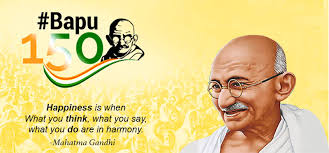
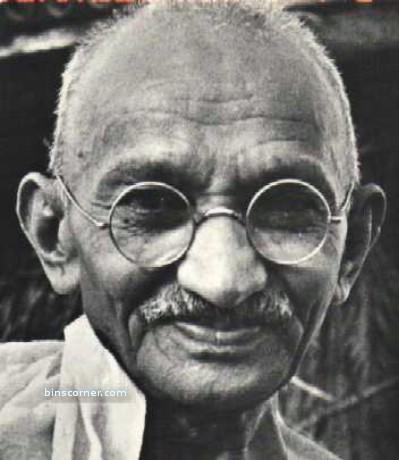
History recognizes Mahatma Gandhi (1869-1948) as India’s “Father of the Nation”.

But he has been the “Father of Change” throughout the world.

ATT00036_

Peaceful freedom campaigners such as Nelson Mandela, Martin Luther King and Tibet’s Dalai Lama owe much to this great man.

Gandhiashram

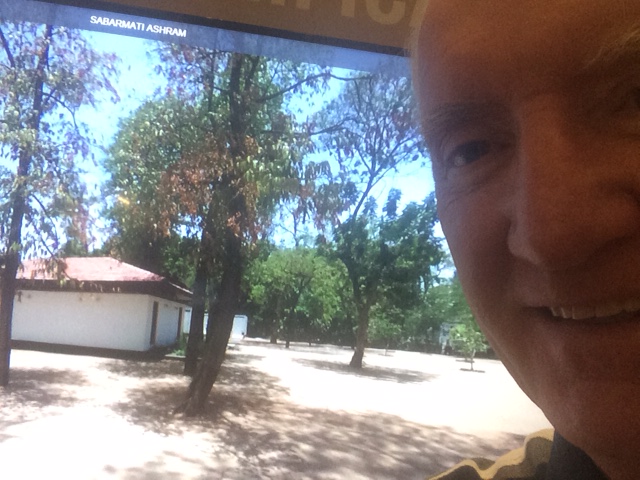
I am pictured visiting the Gandhi Ashram in Gujarat

In my own generation it was our opposition to the Vietnam War that led us to study Gandhi and his methods of non-violent protest. In this way he inspired young people in the 1960’s in Australia, USA, Canada and more.

I especially love his message encouraging tolerance: “As long as you derive inner help and comfort from anything, keep it”. He said: “The golden rule is to test everything in the light of reason and experience, no matter from where it comes.”

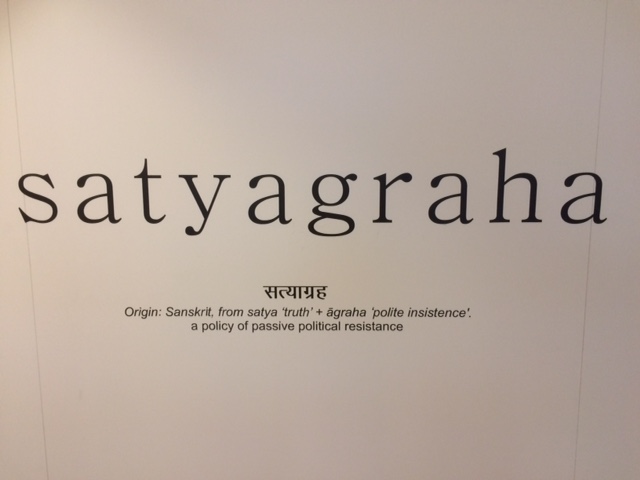
gandhisatyagraha

Some more Gandhi messages for specific sectors:

Communities: “The weak can never forgive. Forgiveness is the attribute of the strong”.

Leadership: “I suppose leadership at one time meant muscles; but today it means getting along with people.”

Careers: “The best way to find yourself is to lose yourself in the service of others.”

Business: “A customer is the most important visitor on our premises; he is not dependent on us. We are dependent on him. He is not an interruption in our work. He is the purpose of it. He is not an outsider in our business. He is part of it. We are not doing him a favour by serving him. He is doing us a favour by giving us an opportunity to do so.”

Innovation: “Freedom is not worth having if it does not include the freedom to make mistakes.”

Education: “Live as if you were to die tomorrow. Learn as if you were to live forever.”

In our ever-busy lives, Gandhi is a role model in taking time out for the simple things. I saw this in bustling Mumbai at Mani Bhavan (Gandhi House), a three storey home with shuttered windows, a residence that Mahatma Gandhi was able to use. His room is simply furnished, austere. He would sit and read, spin cotton or talk to friends. It was his quiet time.

This was indeed the man who said there was enough in the world for everyone’s need but not for everyone’s greed.

No surprise then that Gandhi’s core approach to life was “You must be the change you want to see in the world”, a message very alive today as we seek to enhance our tolerant, multicultural communities.

ATT00012_

Navrati festival now and Diwali to follow – “don’t be scared, be blessed”

On my second visit to India, staying in a hotel in New Delhi, I was alarmed at two or three in the morning by a series of explosions – in this post 9/11 era we are all a little on edge. I spent a nervous night and next morning anxiously asked the concierge had he heard the massive explosions?

With a beaming smile on his face, he said “This is Diwali and people always fire off crackers – don’t be scared, be blessed”.

navrati4

Pictured are dancers during Navrati Festival

This year, Navratri (Durga Puja) is being observed from September 29 to October 7 and Diwali on 27 October – which is my birthday, so it will be very special for me this year.

Navratri in Sanskrit means nine nights in which nine forms of Goddess Durga are worshipped in a particular order. Alongside observing fast and performing various rituals, preparing a special offering for each day holds symbolic significance.

mumba

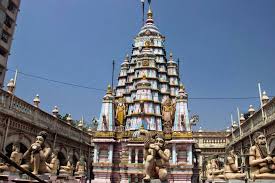
Aarti was also performed and people were seen offering prayers at Mumba Devi temple in Mumbai (pictured above) on the first day of Navratri. Mumba Devi is an amazing temple and I recommend it be on your “must visit” list if in Mumbai.

Kalkaji temple and Jhandewalan temple in New Delhi were all decked up with flowers as people stood in long queues to attend the first aarti of the nine-day-long festival.

In India festivals are generally about great optimism – in one way or another, about the triumph of good over evil.

So, from me – “all best wishes of Navrati to you!”

navrati5


Steve’s 7 tips for exporting to India’s middle class

  1. Find the affluent millennials

India is home to the world’s largest population of millennials—typically defined as those aged 18-35. At 450 million, these millennials are influencing the way Indians eat, shop, commute and buy, much like their global counterparts. They are the first upwardly mobile group in recent history of India – and will have an impact very like the way western baby boomers changed most things.

According to Santosh Desai, managing director of Indian Brand Advisory Group Futurebrands, Indians used to be “born something” but now can “become something”.

2. Drill down to the real middle-class market

We know India has 1.3 billion people, but if you think too much about this you will get nowhere. Drill down to find your market.

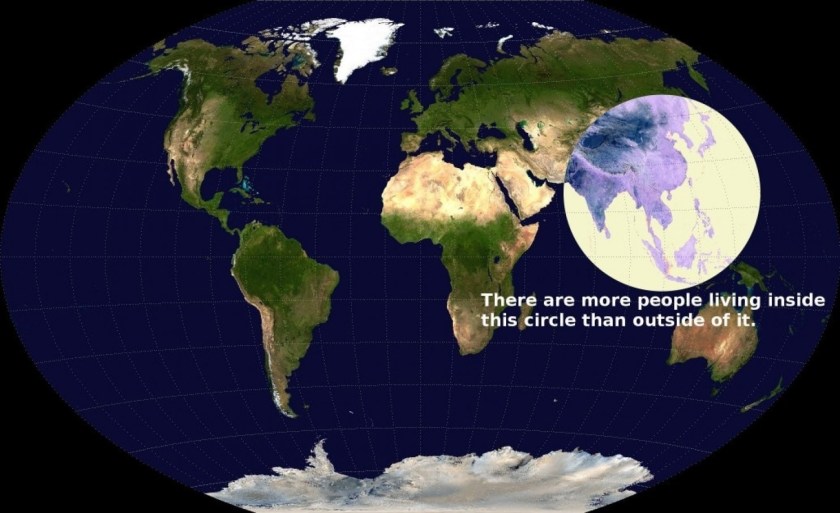
asiamap8circle

For example, some estimate the “middle class” as high as 300 million. For me, this is way too high. Austrade takes a dimmer view – it estimates that there are approximately 30 – 80 million people in our target demographic, many of whom live outside Tier 1 cities. That’s a big range from 30 to 80, which shows that we just do not know. But for me Austrade’s numbers are too low.

Austrade looks for consumers that:

  1. can afford international travel to destinations like Australia;
  2. can afford to send their children for study abroad; and
  3. can afford to eat at high-end restaurants and hotels or eat significant amounts of imported food and wine at home

3. Think of India as many markets

Thinking of India as “one market” will slow down your impact and waste your marketing efforts. First, there is the divide between north, south, east and west. Then there are big metropolises (8-10) and hundreds of tier one cities (around one million plus). Then there are over 26 different languages, multiple food cultures, differing beliefs and interests. It is complex, so build that into your “many markets” strategy.

4. Consumerism is changing in India

India had just 9 Shopping Malls in 2007. There are over 350 Shopping Malls in 2019. Plus 85 new Shopping Malls will be built in the next 5 years = 435 Shopping Malls in 2025.

ambience7

Add to this that online retail is taking off, with Amazon and the local Flipkart leading the way.

Dr Mark Morley Trade Commissioner India Government of Australia makes a key point about opportunities for us: “Australia is well positioned with the Indian consumer. Across India, we have a great reputation for clean, safe and reliable supply. We are well known as a premium supplier of produce, and we have a global reputation for our quality brands.”

5. Thinking local is a good way to start

Especially for those in food, beverages, education and fashion, your beginnings for India can start right here in Australia.

About 650,000 Australians claim Indian ancestry, and we have over 65,000 Indian students here, which means a significant local market spending money. Add to that the growth in Indian tourists – up to over 300,000 per year and growing at around 15%. This gives you a good market testing opportunity.

6. Collaboration is the new relationship

If you just want to “sell” to India, sharpen your pencil and think short term – sooner rather than later, India will find an alternative to you.

To be in India for the long term, seek genuine opportunities to collaborate with Indians – once you and Indian collaborators are working together, your future is more secure. This is how Indians prefer to operate, so drop “transactional” thinking and focus on “collaboration” – it is the new relationship.

7. Give India the time it needs

Cultures based on relationship (collaboration) are slower to move, so give India at least three years. You might “sell” sooner, but for most this is a very short-term market entry approach.