
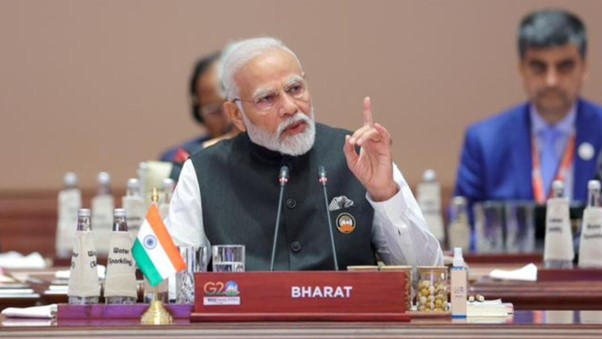
Narendra Modi became Indian Prime Minister in 2014 – and while there are many “for” and “against” views, few would argue against the speed and level of change under his government.
With an economic growth rate estimated close to 7% this year, here is the INTO INDIA list of the big changes Modi brought in:
1. The GST
Nobody expected this even though the need for a GST had been discussed for over a decade. Modi drove it through and it has changed the revenue levels of the Central and all State Governments – it is one change that leads to more change. The GST changed a landscape known for secret stashes of cash and tax evasion on a grand scale.
2. The “India Stack”
Modi has used technology to transform how citizens deal with all levels of government and how they pay for things – for example, the United Payments Interface works everywhere including the smallest villages. The “stack” underpins the radical change as India embraces digital payments – benefitting both government and business. The Stack delivers low-cost transactions to 1.3 billion Indians.
India’s tech-enabled governance is now admired the world over.
3. Direct Benefits Transfer
Direct payments to the masses have delivered welfare benefits to all who need it = they get it all – instead of a small percentage of it under the old cash benefits deal. This is radical social change.
4. The Insolvency and Bankruptcy Code
Complex – but bad businesses were protected by massive delays in legal processes. This has been streamlined, which means boards are more accountable and action is taken much quicker. Dramatic improvement in investor confidence in corporate governance.
5. Make in India
This is PM Modi’s personal dream of transforming the Indian economy which was heavily dependent on services. This scheme now has traction – for example, Apple has set up major manufacturing in India. Of course, the need to diversify from dependence on China helped this scheme – India is now a respected manufacturing hub.
6, National Logistics
This is Modi’s next big thing. When I first started going to India on business in the early 2000’s, the biggest complaint was logistics. It failed at every turn. Logistics cost 13% of Indian GDP compared to 8% in developed economies.
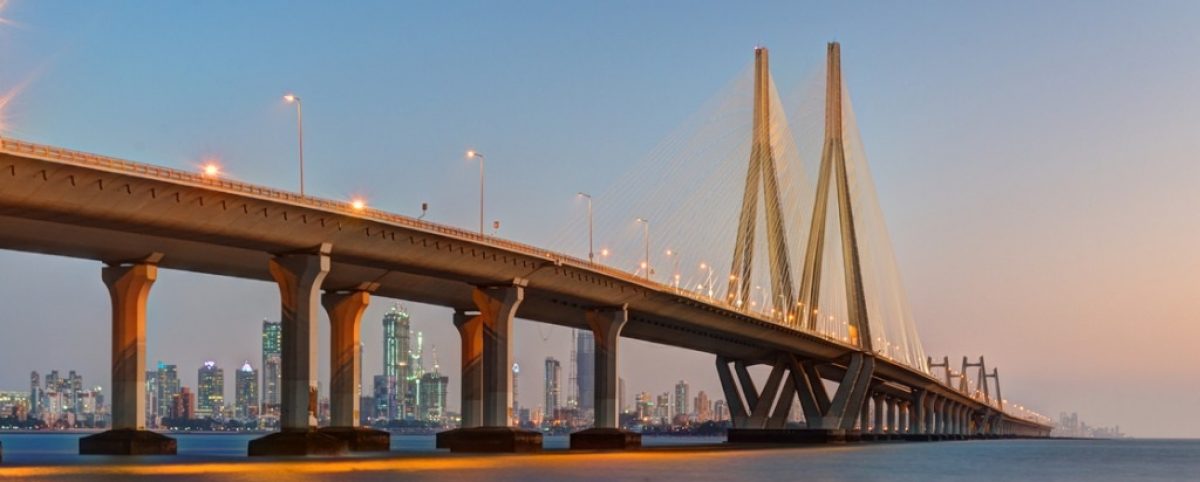
Logistics also fits in with Modi’s big infrastructure drive of the last decade which continues – ports, airports, roads, bridges, trains and railway lines.
7. Lifting 300 million out of poverty
This is one of the big achievements in modern history by India – but we tend to overlook it or take it for grants. The World Bank reports that in the first decade of the Modi Government, 300 million Indians were lifted out of poverty.
Conclusion
This list could be a lot bigger; there has been so much change. Education, agribusiness, solar and wind power, cleaner rivers, global capability centres, space and smart cities to name just a few more.
Go take a look at modern India. Then consider what India was like before Modi.
Make your own judgements. From a business perspective, India is now right at the top for investors, corporates and innovative entrepreneurs.


