
Wonderful article by Sunaina Kumar in THE INTERPRETER for the Lowy Institute.
India is growing in some states, declining in others – but rapidly ageing all over. Here are some elements of the “population paradox”:
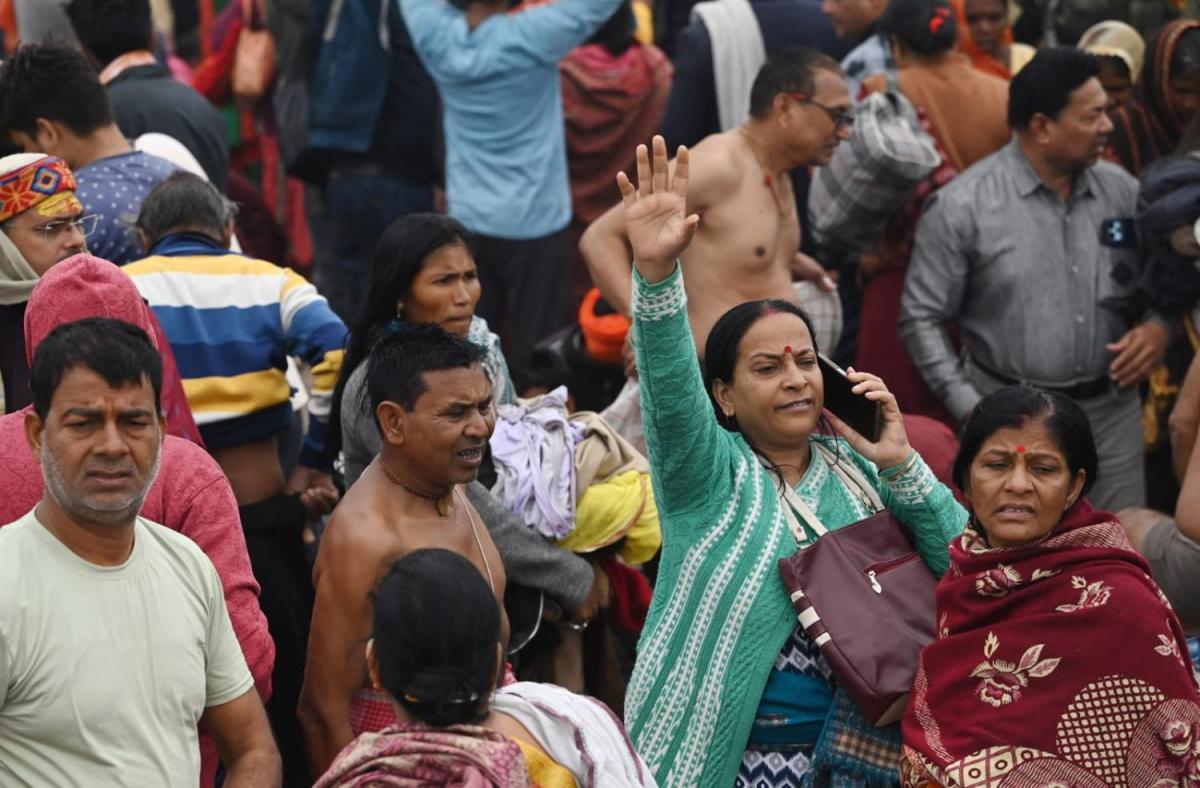
1. In April 2023 when India reached 1,425,775,850 people, it surpassed China’s population to become the most populous country in the world.
2. India’s population is expected to grow for several decades and could peak at 1.7 billion by the 2060s, while China’s population is already in decline, according to UN estimates.
3. The total fertility rate in India has declined from 3.4 children per woman in 1992-93 to 2.0 children per woman in 2019-21.
4. Population in India will however continue to grow, concentrated mostly in the northern states of the country on the basis of demographic momentum, a phenomenon that results from a large number of young adults in childbearing years.
5. A north-south divide – population is growing in the north and declining in the south.
6. Compared to the north, the five southern states of India are economically more advanced and have been highly successful in slowing population growth by focusing on development and women’s empowerment.
7. India has one of the youngest populations in the world: 65 per cent of the country is under the age of 35.
8. By 2030 one out of every five working-age people in the world is projected to be Indian.
9. To reap the demographic dividend, India will need to add 7.85 million jobs every year until 2030.
10. Alongside this phenomenon, India like China is rapidly ageing, which is linked with declining fertility, falling mortality risks and higher life expectancy in both countries.
The speed and scale of ageing is a global concern but in a country like India, it is a race against time, as the country will need to get richer before it gets older.
Sorting out priorities given the many levels of this “paradox” is a task for Governments and policymakers.


 Into India