While Australia sees the “Asian Century” as a huge opportunity, our biggest opportunities are with the rapidly growing economy of India.
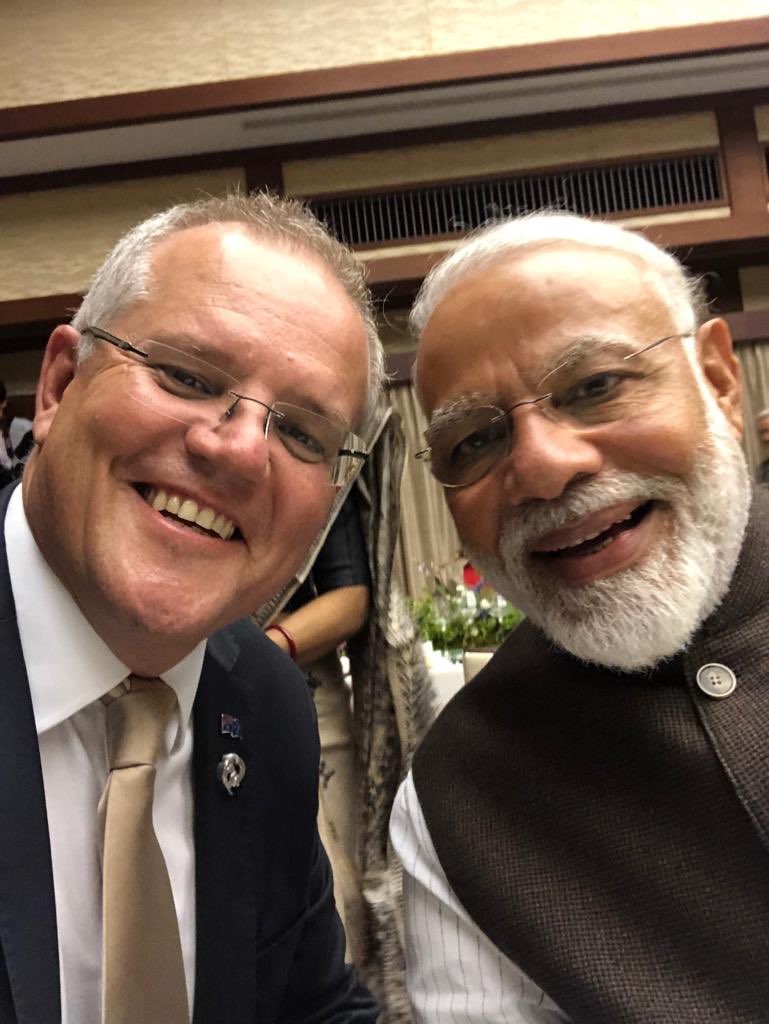
Certainly the two Prime Ministers are working hard to build close connections – India’s Narendra Modi and Australia’s Scott Morrison are building a close relationship. Business, trade and education should follow their lead.
Here are 5 steps we should take to grow our trade ties with India in 2021.
Adopt a patient long term view: It is very easy to get MOU’s (Memorandum of Understanding) signed with fanfare in India but too many do not produce any outcome. One way to improve our cultural dexterity would be to take a long term view and apply lots of patience. Businesses should not start out on market entry unless they are prepared to commit at least five years to making it work. Governments need the same longer term perspective. Rushed trade missions, political announcements and photo opportunities amount to very little – we see them as an achievement, but in reality they are just a beginning. Our business executives and even many diplomats do not build patience into their strategies.
Focus on relationships: India is not a short term transaction opportunity – to succeed there needs a longer term focus on building relationships. The first trade meeting in India can be exciting and positive, but from the India side this is just seen as an introduction and they will wait to see if the relationship grows. Even our companies and governments take too short a view when sending people to India – a two or three year stint there is just not enough. Trust and relationship take time. Others prefer to manage the India relationship from offices in Singapore or elsewhere – this is seen by the India side as evidence you are not committed to India.
See beyond the politeness: Indians are among the most courteous and generous hosts on the planet. On top of this, their culture demands that they never provide an outright rejection or “no” statement, even when for us it would be easy to just say “no”. To succeed, our businesses and governments need to dig deeper and fine the reality beyond the politeness. The dumbest question for a business to ask in India is “can you help me with market entry for my products?” The answer will always be “yes” and you will sit idle for a long time back home until you realise this is not the right question.
Adapt to indirect communications: Like most of Asia, Indians are indirect communicators. Problems are rarely addressed directly and unless you have an ear for indirectness, you will miss the warning signs. In addition, indirect communication creates misunderstanding because the Indian side will always have to agree with whatever you may be asking. Our normally blunt Aussie style is misunderstood over there and can give offence – but you will never be told. This is a two way process – understanding they are indirect, and adopting an indirect style if we can.
Realise that language and thinking are different: One of the big problems in our relations with India is what makes it seem easy – Indians speak English. As a result, whereas our businesses and government when dealing with China, Japan or any other non-English speaking nation will have interpreters and consultants, in India the use of English creates the illusion that communication is taking place. Yet when we deal with other English speaking nations, we factor in their thinking as well – we know Americans speak English but think differently from Aussies. Our biggest mistake is assuming that Indians think like we do.
These barriers really combine two things – the importance of long term commitment to India (minimum 5 years) and cultural differences. If you think long term and study how to adapt to cultural differences, India could become your next big market.



 Into India