
With India’s role as a rising power, plus its long record of peaceful co-existence with multiple countries, can it help the west and China live together?
Here is the situation as outlined by Michael Spence, a Nobel laureate in economics, Professor of Economics Emeritus and a former dean of the Graduate School of Business at Stanford University:
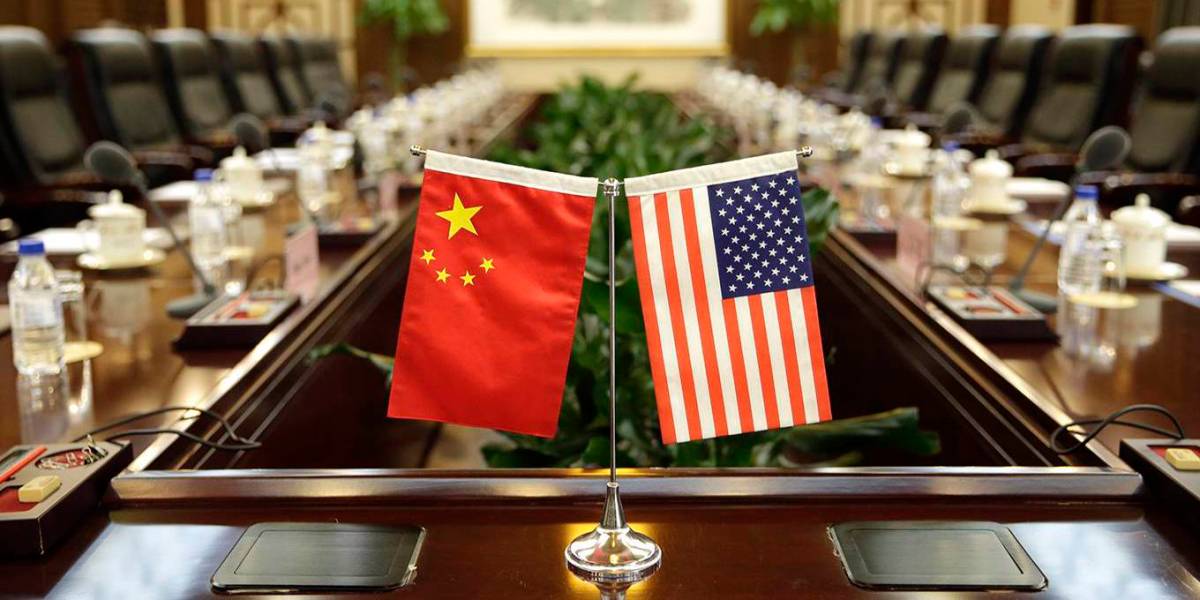
“At the recent G7 and NATO gatherings, China was singled out as a strategic competitor, a calculating trading partner, a technological and national-security threat, a human-rights violator, and a champion of authoritarianism globally.”
Not a great recipe for co-existence.
Spence continues: “China denounced these characterizations, which its embassy in the United Kingdom called “lies, rumors, and baseless accusations.” The risks that such rhetoric poses should not be underestimated.”
Also not a recipe for co-existence.
He concludes: ” The real danger, however, is that officials on both sides seem to have embraced a zero-sum framework, according to which the two sides cannot simply co-exist; one side must “win.”
But India has long experience of getting along with all sorts of regimes and managing to see both sides of the argument.
As India plays a bigger role in global groupings, can it influence both the west and China to drop “zero sum” thinking and work to co-exist?

 Into India