
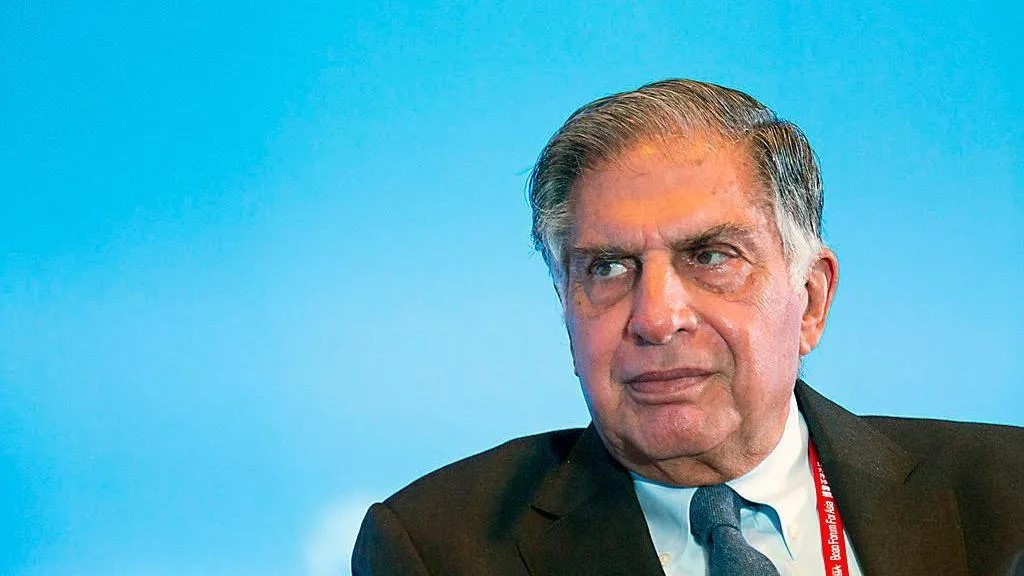
To understand Indian business you need to know the leadership of the great Ratan Tata

This is INTO INDIA’s sincere tribute to Ratan Tata who has passed away aged 86.

Kind, compassionate, humble but also very business wise – he is the role model for so many contemporary Indian business leaders.

During his 20 year tenure as chairman of the Tata Group, the conglomerate made several high-profile acquisitions, including the takeover of Anglo-Dutch steelmaker Corus, UK-based car brands Jaguar and Land Rover, and Tetley, the world’s second-largest tea company. It became global.

Ratan Tata wanted India to be better: “I am proud of my country. But we need to unite to make a unified India, free of communalism and caste. We need to build India into a land of equal opportunity for all. We can be a truly great nation if we set our sights high and deliver to the people the fruits of continued growth, prosperity and equal opportunity.”

He was also not a “profit at all costs” business leader.

This summed up his attitude: “Some foreign investors accuse us of being unfair to shareholders by using our resources for community development. Yes, this is money that could have made for dividend payouts, but it also is money that’s uplifting and improving the quality of life of people in the rural areas where we operate and work. We owe them that.”

Indian Prime Minister Mr Narendra Modi said that Mr Tata’s legacy stretches far beyond the business world.

“His contribution went far beyond the boardroom. He endeared himself to several people thanks to his humility, kindness and an unwavering commitment to making our society better,” the prime minister wrote.

In the words of Ratan Tata, here are some major insights into his mind and the mind of so many business leaders inspired by him:

“I do not know how history will judge me, but let me say that I’ve spent a lot of time and energy trying to transform the Tatas from a patriarchal concern to an institutional enterprise. It would, therefore, be a mark of failure on my part if it were perceived that Ratan Tata epitomises the Group’s success. What I have done is establish growth mechanisms, play down individuals and play up the team that has made the companies what they are. I, for one, am not the kind who loves dwelling on the ‘I’. If history remembers me at all, I hope it will be for this transformation.”

History will remember Ratan Tata.
Lost in Translation? Auto-translate? Handy, but it’s not the whole story!

INTO INDIA sees too many online communications that use English without cultural finesse – or use Hindi just as a translation exercise.

Communicating across cultures is always more complex than that.

Our preference for India is to use experts in India to provide the translation PLUS the cultural nuance.

Our friends at THE INFORMATION COMPANY are a good example.

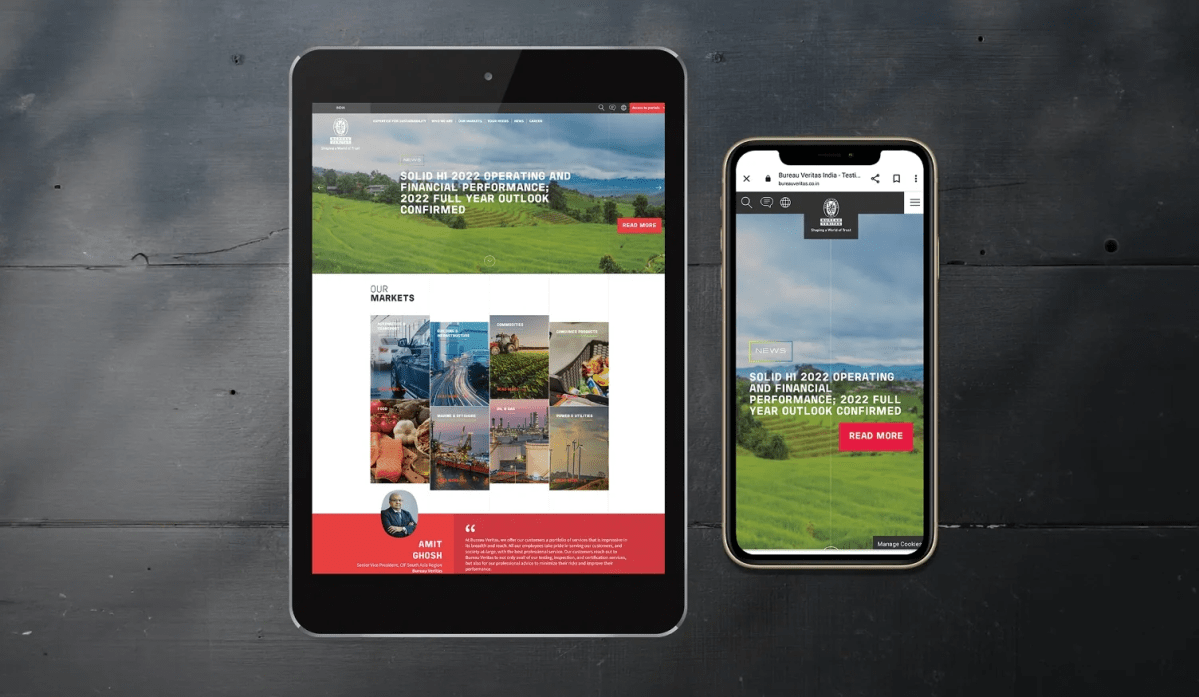
TIC recently created a multilingual website for Bureau Veritas.

TIC and the Bureau Veritas website was built from the ground up in English, Spanish, and Japanese. Bureau Veritas’ business and leadership has a key presence in said countries, making it all the more necessary to give it a truly organic and ‘local’ UX!

But TIC knows this isn’t just a language switch—it’s a cultural switch! Each version features tailored content that resonates with local audiences, refined URLs, and meta-descriptions. It’s more than translation; it’s a seamless experience that speaks directly to users in their native tongue. The result? A multilingual website that doesn’t just translate—it connects. Now that’s what we call speaking the user’s language!

INTO INDIA is happy to connect you (FREE) to our friends at TIC.

“Let’s talk it over” is a western obsession which does not work in India

Cultural differences can be extreme – and yet as human beings we share so much in common and want the same things – we want happiness, safety, ease of living, connections and more.

But the west has a huge obsession about the power of talking.

There is a dispute – “Let’s talk it over”.

An argument at home – “Let’s talk it over”.

We in the west truly believe this works – despite substantial evidence that “talking it over” entrenches division, builds argument and can lead to much unhappiness.

What is a cultural alternative?

I recently heard India’s Gurudev Shri Shri Ravi Shankar responding to a question from a couple who could not live well together but could not separate.

They asked “Should we talk it over?”

His response was do not focus on each other and the differences.

Instead focus on a goal. Focus on the few things you enjoy about each other.

But above all, he said don’t talk it over because – my summary – that only makes the fighting worse.

He and his wisdom will be in Sydney, Melbourne and Perth in October.